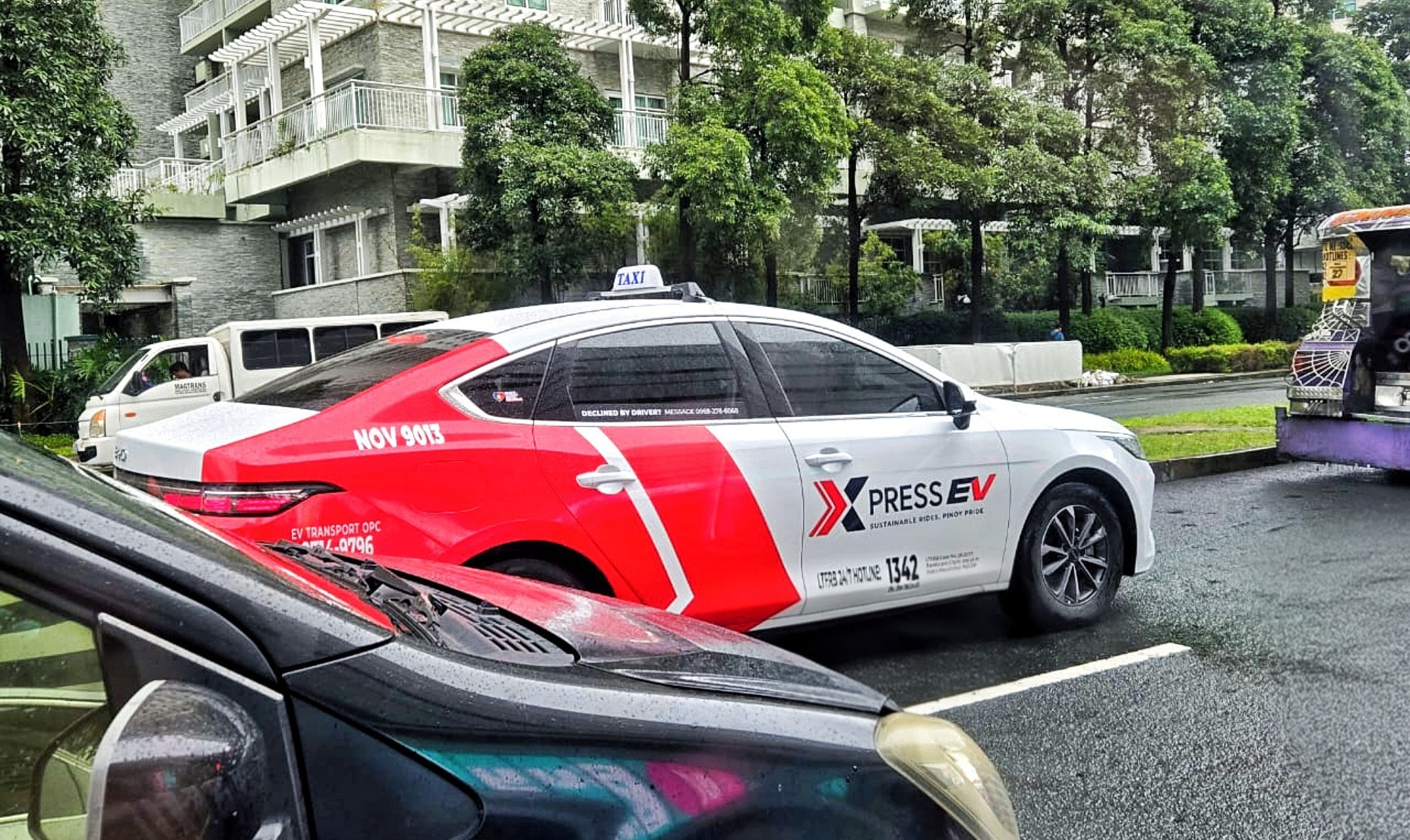
Global electric-vehicle (EV) economics are entering a new era, with cost curves signaling a rapid drop in ownership costs. In the Philippines, local market dynamics show early signs of this shift — driven in part by initiatives like Green GSM’s expanding electric fleet.
According to the International Energy Agency (IEA), lithium-ion battery pack prices fell by about 20 percent in 2024 — the steepest annual drop since 2017.
Analysts at major investment banks project that costs could decline to as low as US$82 per kWh by 2026, a level that would bring battery-electric vehicles (BEVs) into price parity with internal-combustion engine (ICE) vehicles in many markets.
PH EV market gains momentum and barriers to wider adoption

In the Philippines, EV registrations are projected to reach around 35,000 units in 2025, up from about 24,000 in 2024. The decline in battery prices helps explain the growing momentum.
Since the battery makes up the largest share of an EV’s upfront cost, cheaper batteries are helping narrow the price gap.
Operating costs for EVs are also significantly lower. Fewer moving parts mean less maintenance, while the cost per kilometer of electricity “fuel” remains cheaper than gasoline. The government’s zero-tariff policy on EVs and parts through 2028 further improves affordability and access.
However, challenges remain.
Battery-electric vehicles in the Philippines still cost about 1.7 to 2.4 times more than comparable gasoline models — a gap that keeps many consumers on the fence. Charging infrastructure also remains thin, with limited public charging stations outside major cities.
Until more infrastructure is built, widespread adoption may lag behind the global pace, even as technology and economics improve.
Green GSM: A local game-changer

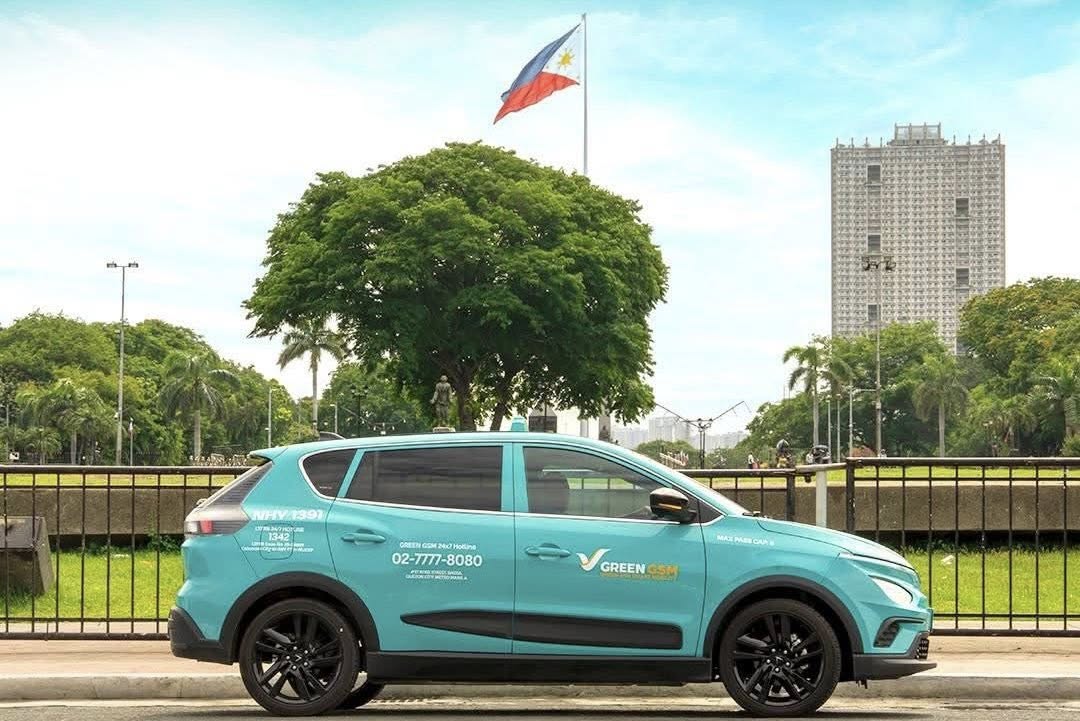
One of the clearest signs of the country’s EV transition is the entry of Green GSM, the all-electric taxi brand launched by Vietnamese firm Green and Smart Mobility JSC (GSM). The company debuted operations in Metro Manila with an initial fleet of 2,500 electric vehicles and plans to expand nationwide.
Green GSM aims to modernize public transport while promoting clean, sustainable mobility. It operates an all-electric fleet of VinFast vehicles, supported by its own charging network.
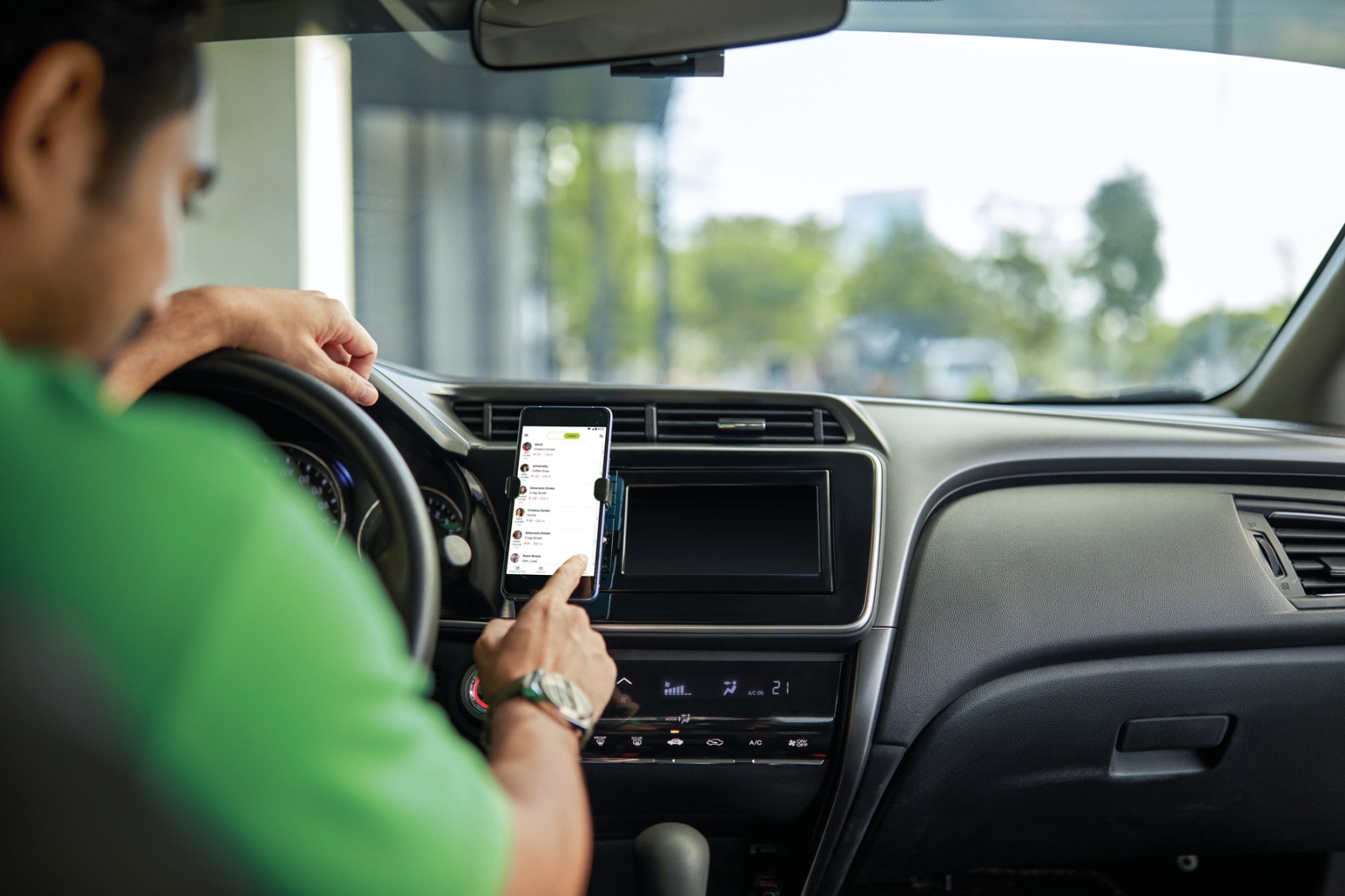
Unlike traditional taxi or ride-hailing setups, Green GSM offers a more structured employment model for drivers. According to Green GSM, drivers can earn up to ₱45,000 per month, with full government-mandated benefits — including SSS, PhilHealth, and Pag-IBIG — plus regular training.
While the scheme still depends partly on driver performance, it differs from the purely commission-based model used by most traditional taxi or Grab drivers, who typically shoulder fuel costs and vehicle maintenance.
Gasoline vs. Electric Vehicles

When it comes to total cost of ownership, electric vehicles already hold a long-term edge over gasoline cars. They require less maintenance — no oil changes, fewer brake replacements, and no exhaust systems. With fewer moving parts, EVs typically incur lower servicing costs over time.
Electricity costs per kilometer are also 40 to 60 percent cheaper than gasoline, depending on the charging source and local rates. Charging at home during off-peak hours can cost as little as ₱2 to ₱3 per kilometer, compared to ₱5 to ₱8for fuel.
However, the upfront price remains the main barrier. A mid-range gasoline sedan costs around ₱900,000, while a comparable BEV ranges from ₱1.5 million to ₱2.1 million.
The gap is narrowing as global battery prices decline and government incentives under the Electric Vehicle Industry Development Act (EVIDA) take effect, paving the way for more affordable EV ownership in the coming years.
The road to an electric future
If global battery costs reach US$82 per kWh by 2026, experts predict that many EVs will achieve price parity with gasoline vehicles. Once that happens, the lower operating costs will make EVs the more economical choice over a vehicle’s lifetime — even without subsidies.
With falling battery prices, growing economies of scale, and strong policy backing, the Philippines may be closer to that tipping point than many expect.
The next few years will reveal whether infrastructure and consumer confidence can keep pace with the economics — and whether initiatives like Green GSM’s all-electric fleet can help the nation fully charge ahead into an electric future.