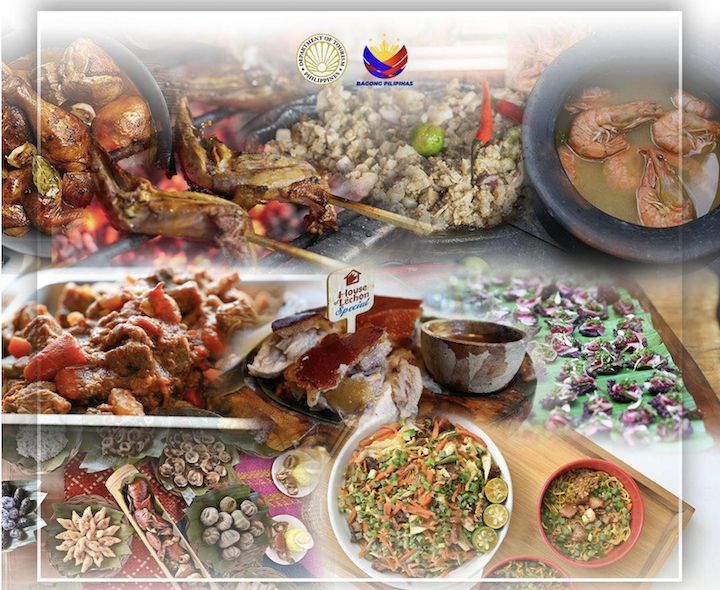
For decades, the vibrant, tangy, and soulful flavors of Filipino cuisine were the world’s best-kept culinary secret. But as of 2026, the secret is officially out.
The MICHELIN Guide, the global authority on fine dining, has named the Philippines one of the world’s “Most Exciting Food Destinations,” placing the archipelago on a prestigious list of only 16 global hotspots alongside gastronomic giants like Italy, Türkiye, and China.
The recognition marks a historic turning point for the country’s tourism and identity. From the sizzling streets of Manila to the sun-drenched shores of Cebu, the “Red Guide” has cast a dazzling spotlight on a food culture that is finally claiming its overdue international moment.
The Manila-Cebu connection
The inaugural selection is an expansive celebration of diversity, recognizing 108 establishments across Manila and Cebu. Leading the charge is Helm by Chef Josh Boutwood, which made history as the country’s first-ever Two-Star restaurant. Joining the elite ranks are eight One-Star recipients — including Toyo Eatery, Gallery by Chele, and Hapag — each hailed for their mastery of both traditional heritage and avant-garde innovation.
But the MICHELIN magic isn’t reserved solely for white-tablecloth fine dining. The guide also honored 25 “Bib Gourmand” establishments, recognized for providing “exceptional food at moderate prices,” and 74 “MICHELIN-Selected” venues. This inclusive list ensures that whether you are dining in a sleek Makati skyscraper or a beloved local panciteria, the quality is world-class.
The anatomy of a global sensation

What caught the eye of the anonymous MICHELIN inspectors?
It was the “uniquely Filipino” balance of sweet, salty, and acidic flavors — a trifecta achieved through regional spices and traditional techniques like slow marinating and charcoal grilling.
Dishes once found only in family kitchens are now global icons.
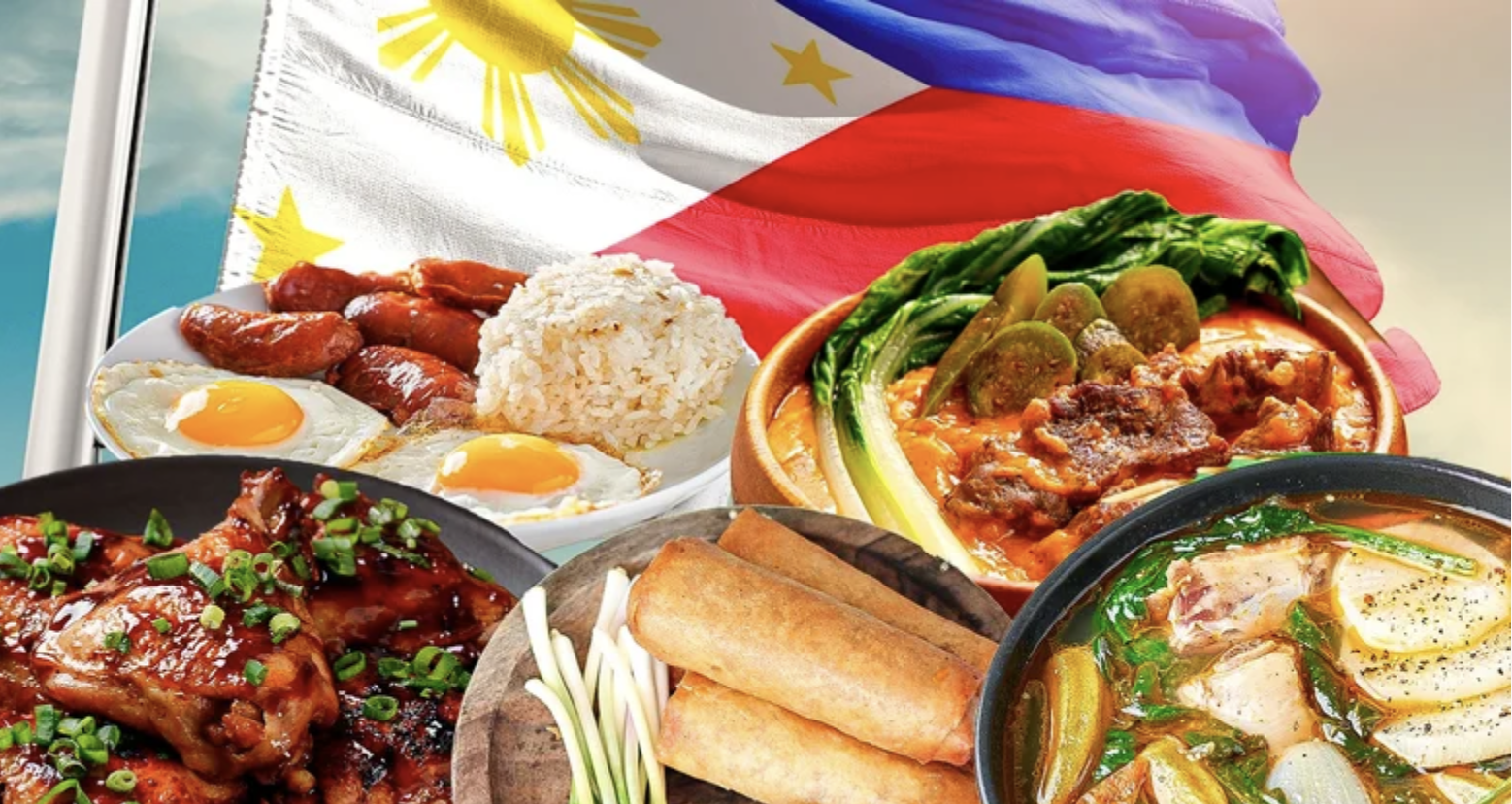
Sisig, the beloved Pampanga-born pork dish, was recently featured on Netflix’s Somebody Feed Phil, further cementing its status as a must-try. Alongside sinigang, inasal, and adobo, these staples represent the heart of a cuisine that is both ancient and evolving.
“Gastronomy is a vital expression of our national identity,” says Tourism Secretary Christina Garcia Frasco. “This recognition supports our broader goal of celebrating what is authentically Filipino and elevating the people and places behind our food.”
A sustainable and savory future
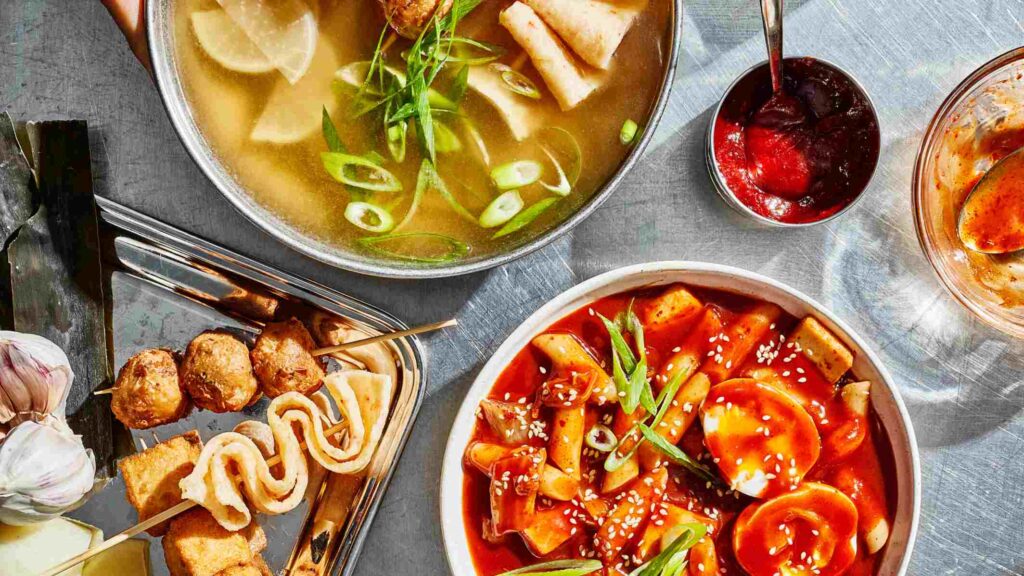
The guide’s arrival isn’t just about the present; it’s a catalyst for the future.
The MICHELIN Green Star was awarded to Gallery by Chele for its commitment to sustainable practices, highlighting a new wave of young local chefs who are as passionate about the environment as they are about the plate.
This momentum is set to peak in late 2026, as the Philippines prepares to host the UN Tourism World Gastronomy Forum. With the DOT reporting a significant surge in tourist arrivals — Camiguin alone saw a 38% increase — the “Michelin effect” is expected to transform the country into a premier destination for “foodie travelers.”+1
For visitors, the experience extends beyond the fork. The guide also recommends high-quality stays like the Grand Hyatt Manila and the beachfront Crimson Resort & Spa Mactan, ensuring that the journey is as comfortable as it is delicious.
As the Philippines joins the global culinary map, the message is clear: whether it’s a bowl of sour sinigang or a refined tasting menu, the flavors of the 7,641 islands are no longer just a local treasure— they are a world-class experience.
For those who wish to know more about the citation, there’s a video that provides a visual exploration of Manila’s diverse culinary landscape, complementing the news feature’s focus on the city as a key Michelin-recognized destination. Watch the full video here.