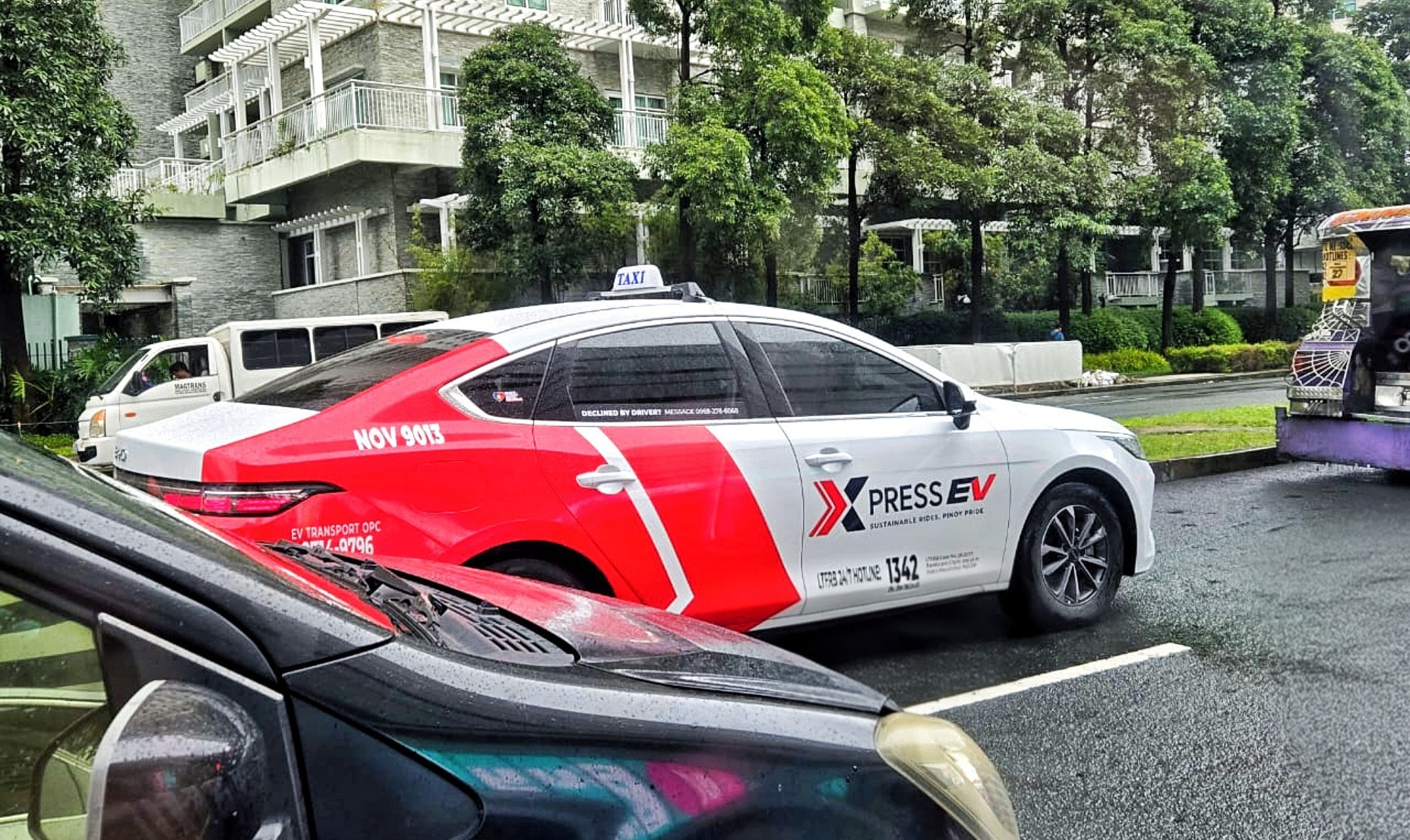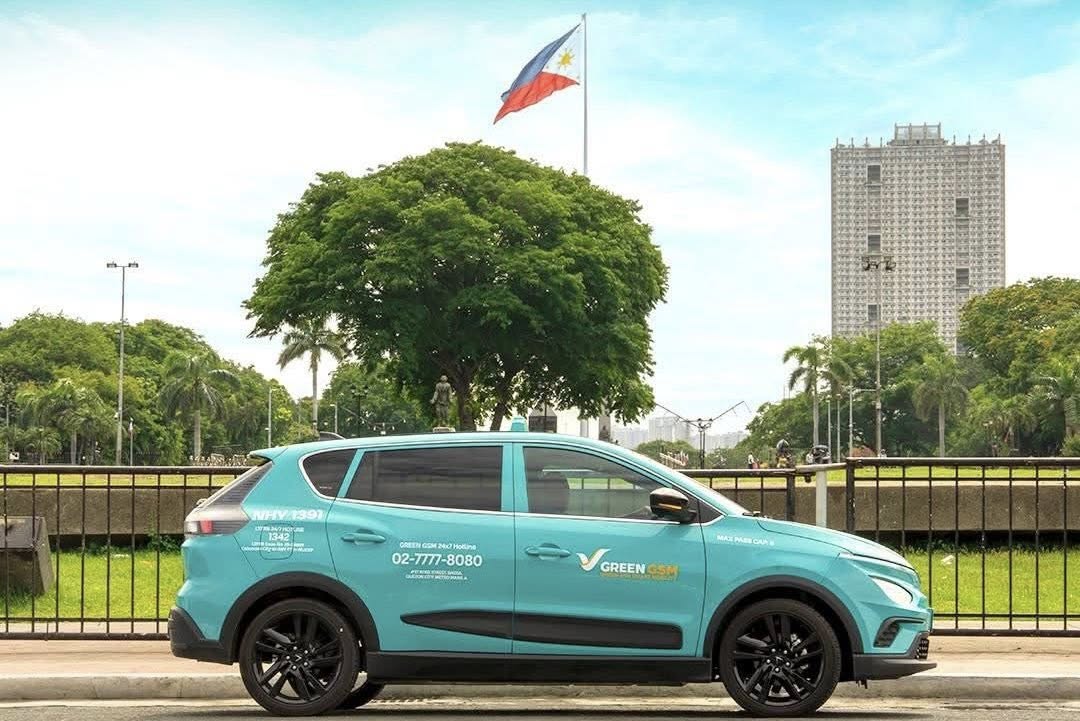

While new ride-hailing platforms shift into gear, the number of riders has not kept pace.
Despite 19 LTFRB-accredited Transport Network Companies (TNCs), Metro Manila’s mobility crisis persists due to a tightly controlled supply cap that limits active vehicles.
Competition struggles amid a constrained market. As multi-apping becomes a more common practice, TNCs compete for drivers in the same way they do with customers — what economists call a two-sided market. However, during peak periods, competition between providers becomes almost irrelevant, as commuters face longer wait times and limited options.
The ride-hailing crisis highlights issues within the country’s public transportation system, which has consistently been reported as among the worst globally. It serves as a lesson that technology cannot fix what is fundamentally broken; thus, the future of tech-enabled mobility relies on an improved public transportation system.
Understanding Metro Manila’s ride-hailing crisis
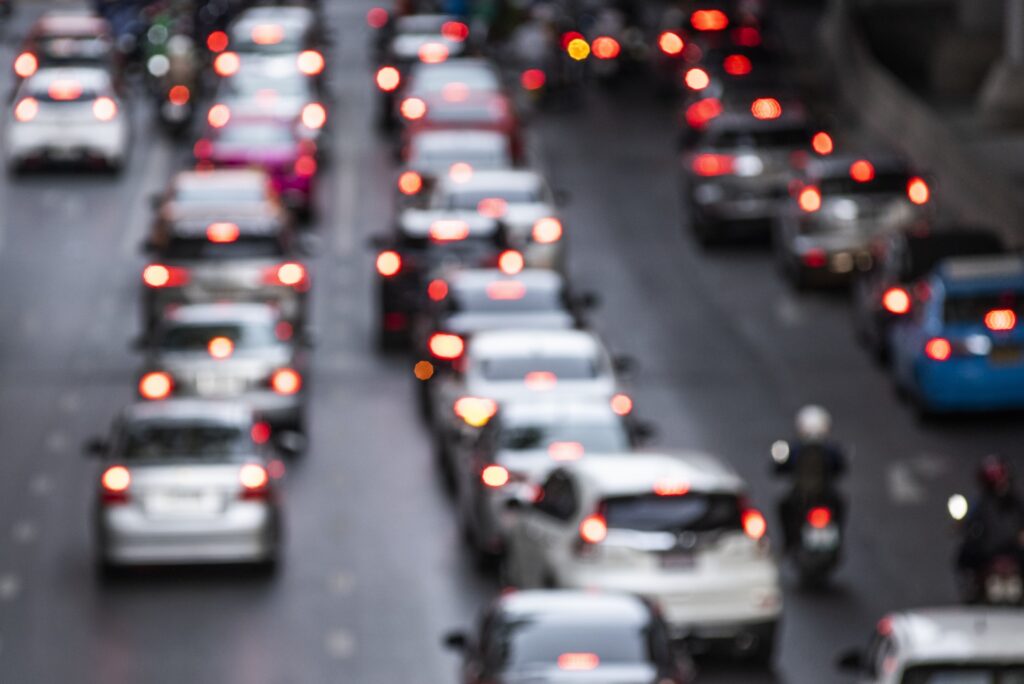
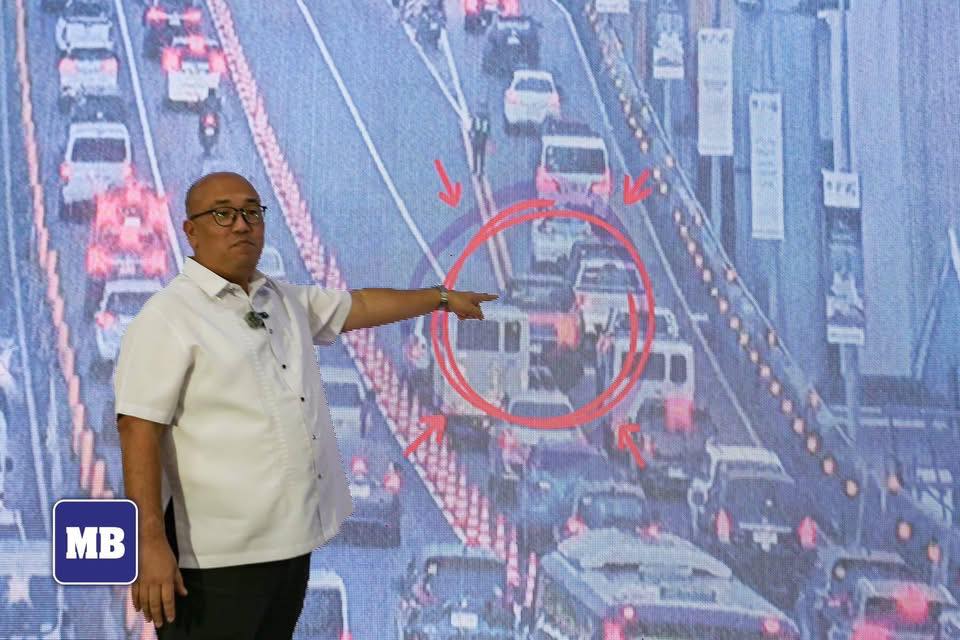
A report in a leading daily reveals that Metro Manila is facing a ride-hailing crisis. While more companies are crowding the sector, the supply of cars operating in the area appears insufficient to meet commuter demand—an issue exacerbated during critical periods such as peak hours and heavy rainfall.
The cause of this ongoing shortage is a regulatory cap imposed by the LTFRB. First introduced in 2018, the LTFRB established a limit on the supply of TNVS units, capped at 45,000 units. The goal was to “create a distinct denomination for the transport service that will facilitate regulation of the ride-sharing industry.” In other words, the LTFRB imposed this policy to clearly define ride-sharing as its own type of transport so the government could regulate it more feasibly.
According to the LTFRB, the cap considered “churning rate, percentage of full-time and part-time TNVS, peak and off-peak hours, and average daily bookings, among others.” However, commuters reported long wait times and a lack of drivers, prompting the LTFRB to increase the cap to 65,000 units.
Despite this, the LTFRB has yet to activate these slots, facing challenges such as pushback from traditional transport services. However, the most pressing concern is finding a balance between meeting TNVS demand, keeping traffic under control, and protecting driver income.
The rise of multi-apping
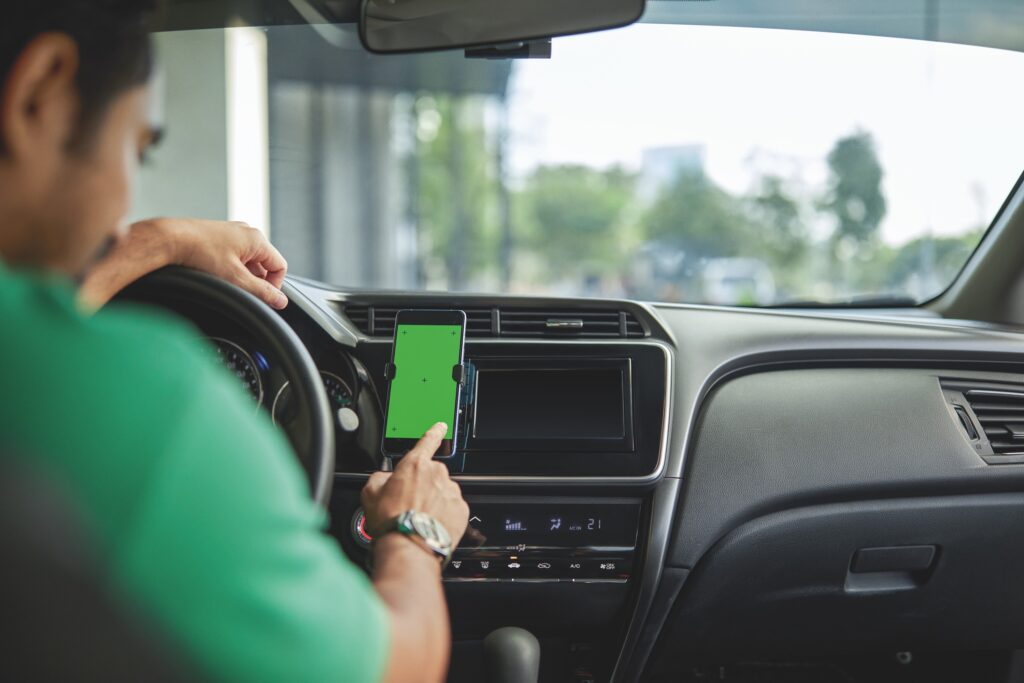
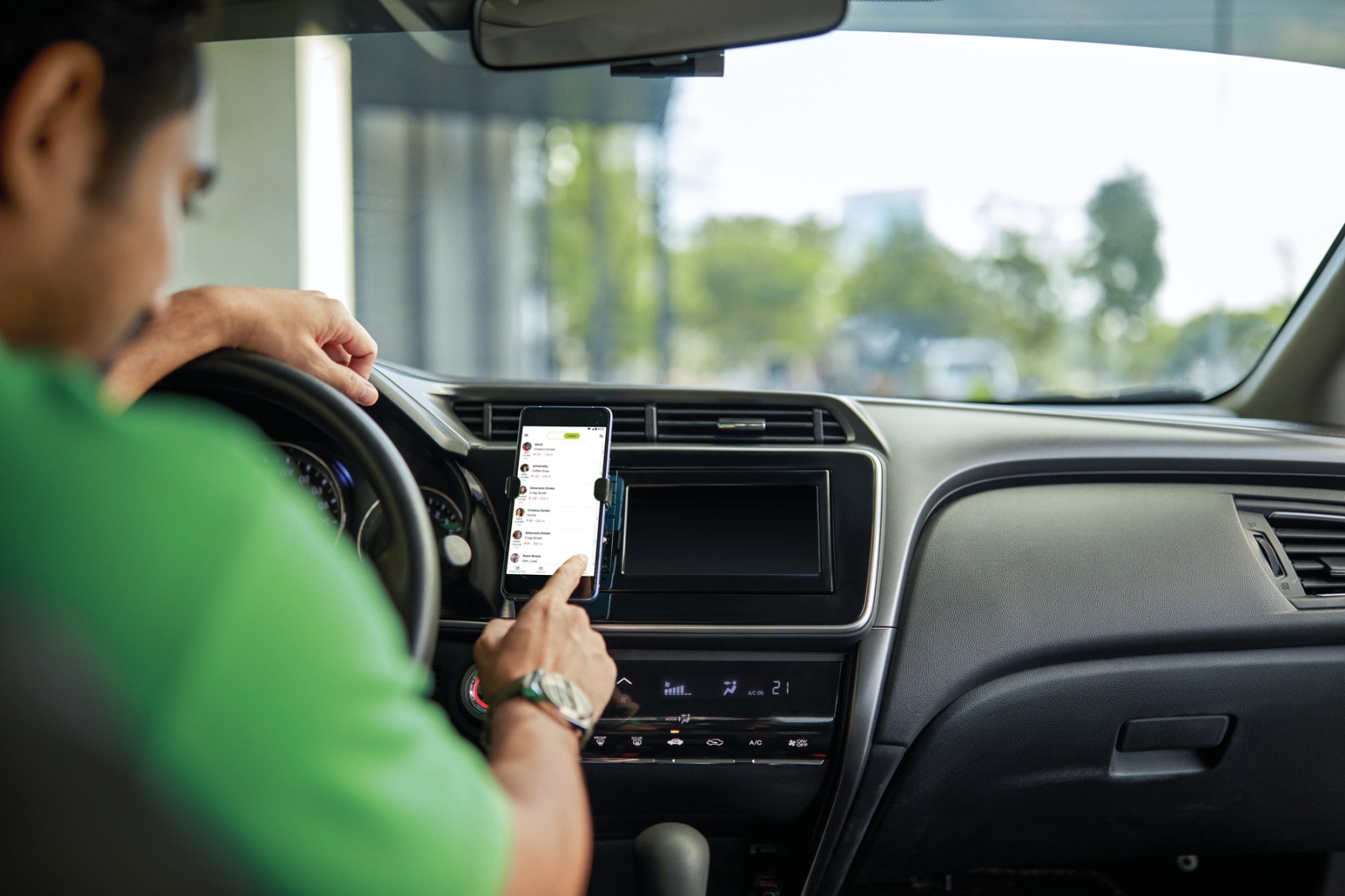
The ride-hailing market is highly competitive, with over 19 LTFRB-accredited platforms vying for both commuters and drivers alike. As a result, drivers juggle multiple apps, hoping to find the best offers to maximize their earnings.
The rise of multi-apping has reshaped competition among TNCs. Operating within the gig economy, the relationship between drivers and TNCs does not adhere to traditional employment models. This, in turn, has introduced a new competitive dynamic that economists have coined a two-sided market.
The two-sided market underscores the emergence of new, often precarious relationships in today’s changing labor landscape. Platforms act as intermediaries, connecting two different groups — often buyers and sellers — to facilitate transactions.
Critics argue that relationships within a two-sided market can be exploitative. Acting as intermediaries, companies shift shared accountability to their gig workers. For example, gig drivers bear most of the costs of their work — from fuel to vehicle maintenance — while platforms reap the benefits of their labor. At the same time, this means drivers are not traditional employees; work is flexible, but less secure.
This dynamic places drivers in a unique position, making them the primary resource companies compete over.
When competition fails
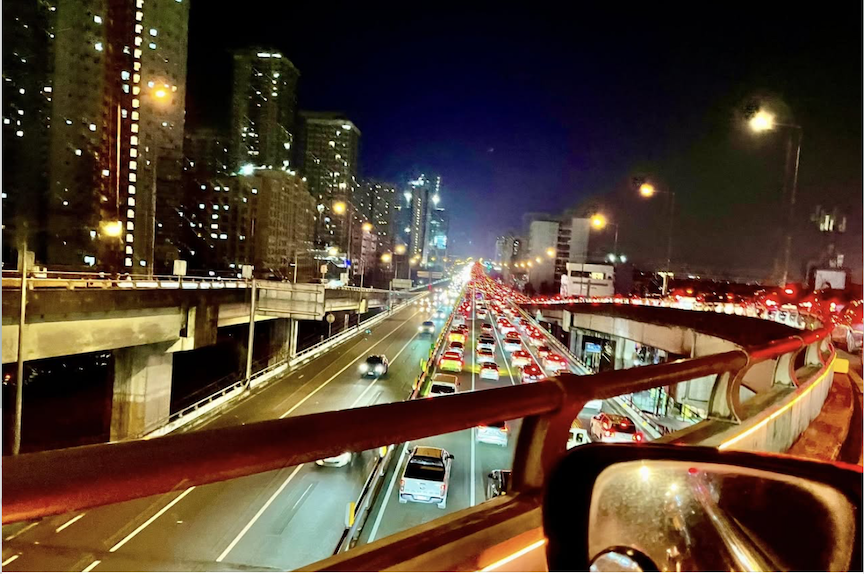
In the Philippines, urban mobility remains heavily shaped by a car-centric transport model.
With this in mind, the influx of ride-hailing platforms would ideally increase competition, expand service availability, and improve consumer choice.
However, the market continues to be constrained by a shortage of vehicles. This prevents TNCs from expanding their service coverage and forces platforms to compete over the same limited pool of drivers. Simply put, market constraints weaken competition.
The problem worsens during critical or high-demand periods, such as heavy rainfall and rush hour. Commuters juggle between apps, hoping to find a good deal — only to discover that prices have largely equalized, rendering competition obsolete and exposing the illusion of choice.
Drivers are just as affected. Last December, the LTFRB implemented a 19-day surge cap to address mounting commuter complaints about steep price spikes. Prior to the surge cap, driver income was already unstable due to factors such as heavy traffic congestion and limited trip availability.
In a statement, Grab Philippines explained that surge pricing is necessary to balance supply and demand, stating: “Surge pricing helps ensure driver availability during peak hours, bad weather, and high-demand periods. A significant reduction in surge fees may discourage drivers from going online when they are needed most, ultimately affecting service reliability for commuters.”
The future of tech-enabled mobility
In conclusion, the current ride-hailing crisis points to a much larger issue affecting not just Metro Manila, but the entire country: the state of its public transportation system.
On a global scale, the Philippines’ public transport consistently underperforms, especially when compared to regional and international peers.
In the 2022 Urban Mobility Readiness Index, the Philippines ranked 58th out of 60 cities in urban mobility readiness. The report cited several contributing factors, including poor-quality urban roads, limited national road connections, heavy traffic congestion, and pollution.
The solution? Lower car ownership.
According to the same study, “Manila is congested and polluted, but a low level of car ownership should help prevent these problems from worsening.”
With that in mind, effective policy implementation is only one step. True progress can be achieved only by addressing systemic issues within the public transportation system. Only then will ride-hailing live up to its promise of convenience and deliver the services commuters truly deserve.