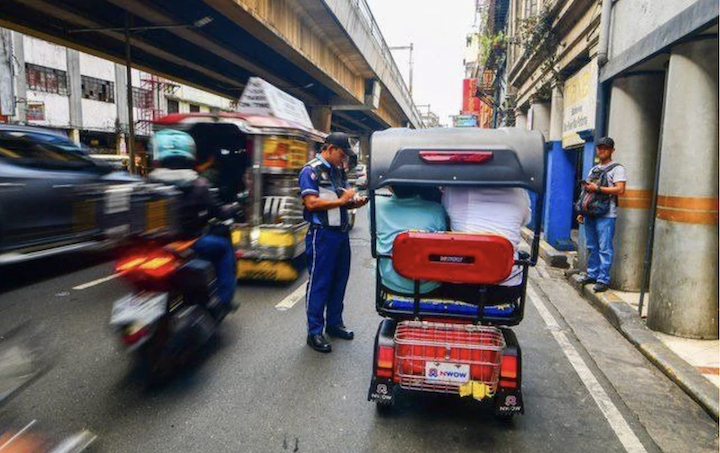
As the holiday rush kicks in, thousands of Filipino commuters who rely on electric bikes (or e-bikes) are bracing for longer, more complicated trips starting December 1. Under newly released guidelines, riders of e-bikes, e-scooters, and other light electric vehicles (LEVs) will be barred from using major roads, national highways, and other high-traffic thoroughfares.
Riders must also now carry a valid driver’s license appropriate to their vehicle classification.
The stricter enforcement comes amid a surge in e-bike-related incidents across Metro Manila — a trend authorities say reflects both the rapid rise in e-bike adoption and widespread gaps in safety practices.
But while the mobility shake-up is already disrupting daily commutes, the policy has also reignited a legal debate: Can the government penalize or impound private e-bikes that, under national law, are not even required to be registered?
This unresolved tension has left riders, motorists, and transport officials navigating a confusing—and increasingly contentious — policy landscape.
A growing dependence meets a sudden roadblock

For many low-income commuters, e-bikes became a lifeline during the pandemic — a practical, low-cost alternative as fuel prices and public transport expenses continued to rise.
One of them is Mark, a 27-year-old food delivery rider in Quezon City.
“Malaking bawas sa kita ko ‘to,” he said while waiting at a roadside checkpoint. “Sanay ako dumaan sa main roads para mabilis ang delivery. Pero ngayon, kailangan ko umiwas — mas mabagal, mas malayo, mas mahal sa oras.”
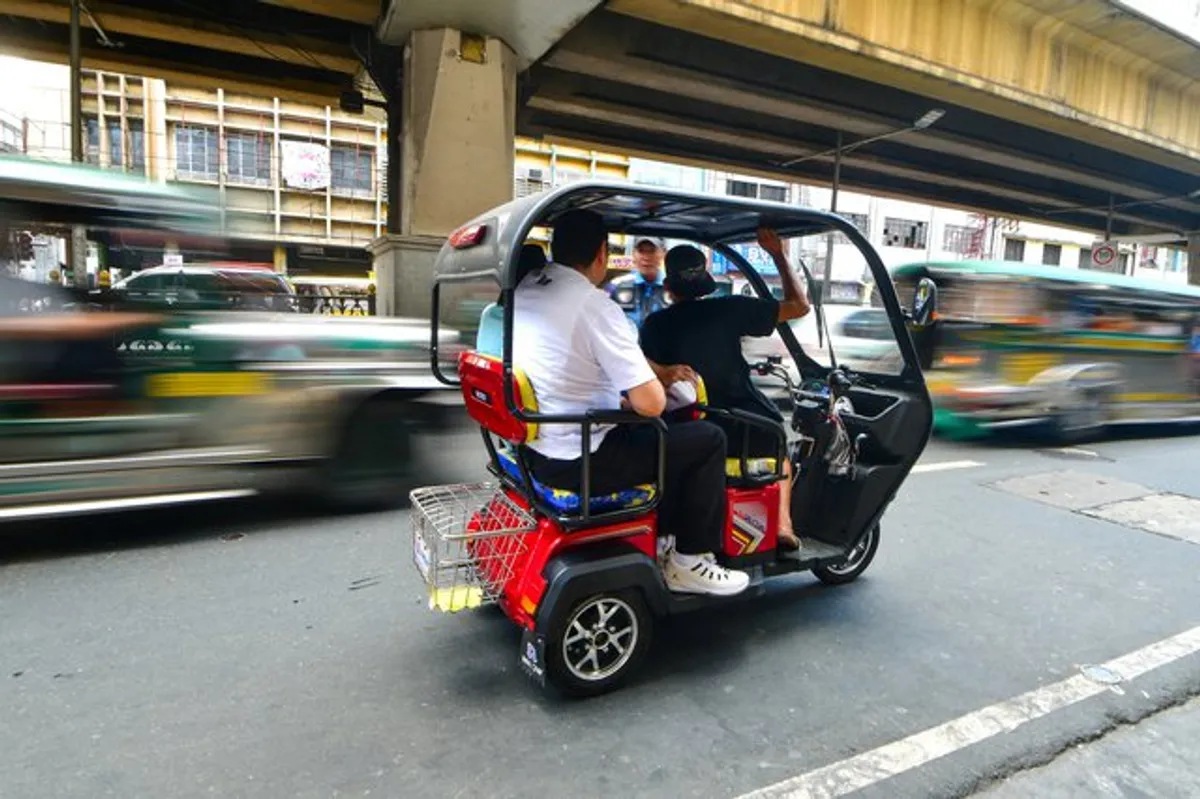
Avoiding major roads now adds 20 to 30 minutes to each delivery, cutting into what should have been peak earnings this holiday season.
For 38-year-old office worker Liza Santos, the ban means waking up an hour earlier and relying again on overcrowded buses.
“Ginawa ko talaga siyang pang-araw-araw kasi mabilis, tipid, at hindi ako naka-depend sa punô na bus,” she said. “Ngayong ipinagbabawal na sa major roads, balik ulit sa matagal na biyahe. I understand the safety reasons, pero sana may transition period.”
Why authorities are tightening the rules
-Sep-21-2023-10-31-10-6416-AM.png?width=600&height=400&name=Pics%20for%20blog%20-%20600x400%20(21)-Sep-21-2023-10-31-10-6416-AM.png)
Transport officials say the restrictions aim to reduce accidents involving e-bikes and e-scooters, many of which were recorded on high-speed or high-volume roads where lightweight LEVs are most vulnerable.
Local governments have flagged a steady rise in collisions, often involving riders without helmets, safety gear, or sufficient knowledge of road rules. Under the new IRR, riders must now carry at least a Non-Professional Driver’s License, depending on their LEV category.
Only smaller roads, side streets, and designated bike lanes will remain open to most e-bikes.
For some motorists, the stricter rules are overdue.
“Marami na akong muntik mabangga na e-bike na biglang sumusulpot,” said Jun Ramirez, a private motorist who drives daily along C5. “Hindi sila masisisi sa paghahanap ng mura at mabilis na paraan, pero delikado talaga pag halo-halo sa highway.”
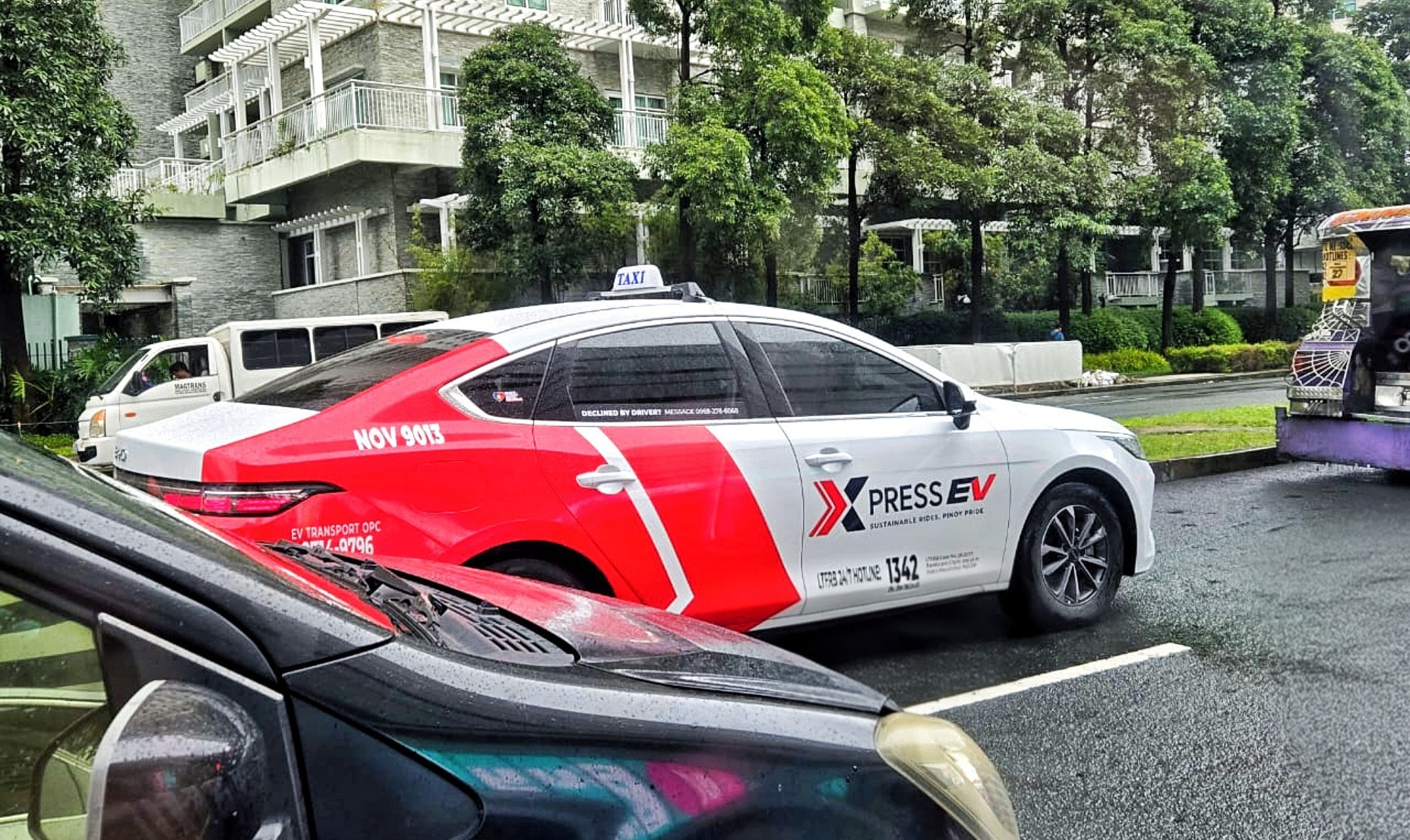
Taxi driver Romeo Laurenciana echoed this, saying visibility and safety have been long-standing concerns among road users. “Minsan walang ilaw, minsan tatlo silang nakasakay. Sa gabi lalo, halos hindi mo makita,” he said. “Kung mas mahigpit ang rules, mas ok para sa lahat.”
But is the ban legal? Confusion grows over EVIDA vs. LTO enforcement
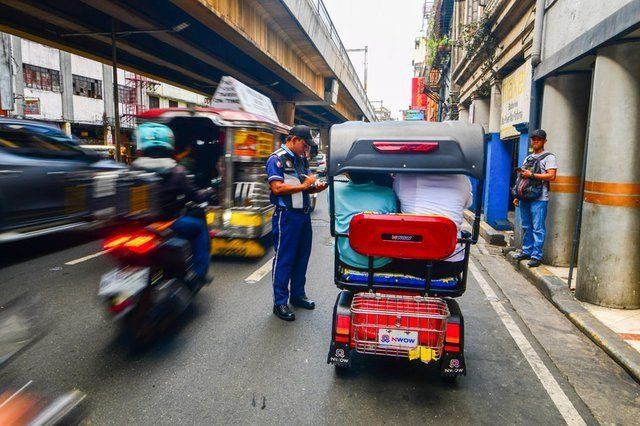
Even as enforcement begins, the legal basis for penalizing or impounding private e-bikes remains murky.
According to Republic Act 11697 or the Electric Vehicle Industry Development Act (EVIDA), private-use light electric vehicles are explicitly exempt from LTO registration.
The law’s implementing rules state that private LEVs do not require:
- Plates
- OR/CR
- Motor vehicle inspection
- Registration fees
- Vehicle-registration-based driver’s license requirements
This exemption is clear under Section 9(b) of RA 11697, as cited in the uploaded reference material. Legal experts and mobility advocates argue that LTO memos cannot override a national law, which is why several of the agency’s earlier LEV and e-bike directives were suspended or revised in the past.
However — and this is where the nuance lies — road access is a separate authority from vehicle registration.
According to EVIDA and supporting transport regulations:
- LGUs, MMDA, and national traffic agencies can restrict access to certain roads for safety reasons.
- They can also impose speed limits, require helmets, designate LEV lanes, and enforce local traffic ordinances.
In short: Private e-bikes cannot be penalized for being “unregistered,” but they can be barred from specific major roads for safety.
Now here’s the problem. Because the December 1 enforcement mixes both road-access restrictions and registration-related requirements (like license types), many riders fear being wrongfully ticketed — or worse, having their e-bikes impounded.
This policy overlap is fueling commuter anxiety, especially with no nationwide bike-lane network to offer safe alternatives on smarter mobility.
Safety vs. accessibility: Advocates call for better infrastructure
Transport advocacy groups acknowledge the need to reduce crashes during the high-traffic holiday season but warn that bans without infrastructure only push poor commuters into harder, less safe conditions.

A number of motorists and e-bike riders are calling for dedicated LEV lanes on major roads instead of outright prohibitions — similar to protected bicycle lanes.
The government, through the DOTr, has pledged to expand the country’s protected bike-lane network to 2,400 kilometers by 2028 — a long-term plan that commuters say does little to solve today’s mobility bottlenecks.
Transport analysts also stress that enforcement must distinguish between registration compliance and road-safety management, noting that the confusion stems from inconsistent messaging between agencies.
Toward a clearer mobility policy
As holiday traffic reaches its annual peak, the e-bike restrictions highlight deeper issues in Philippine mobility policy: infrastructure gaps, conflicting regulations, and the challenge of balancing safety with accessibility.
The DOTr and LTO say they may refine the IRR as implementation progresses. Meanwhile, lawmakers and road-safety advocates continue to push for clear, unified guidelines that reflect the realities of low-income commuters who rely on e-bikes daily.
For riders like Mark and Liza, the new rules mean longer, slower, and more expensive commutes this December — not by choice, but by regulation.