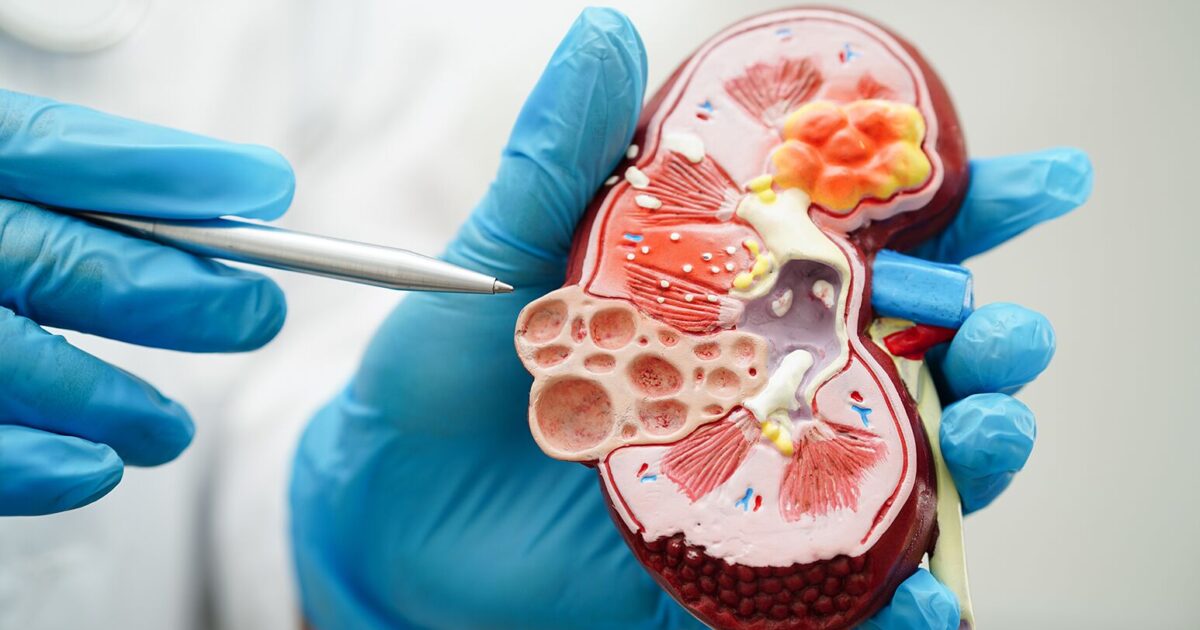
Chronic kidney disease is becoming one of the most alarming health concerns in the Philippines.
Often called a “silent killer,” this condition develops gradually and may not show noticeable symptoms until significant kidney damage has already occurred.
While many people associate kidney disease with older adults, an increasing number of younger Filipinos are now being diagnosed with the condition.
The kidneys play a vital role in filtering waste products, balancing fluids, regulating blood pressure, and maintaining overall health. When these organs become damaged over time, they lose their ability to perform these essential functions, leading to serious complications that can affect nearly every part of the body.

As cases continue to rise, understanding chronic kidney disease, including its warning signs, risk factors, and preventive measures, has never been more important.
Why kidney health matters more than ever
The kidneys may be small organs, but their responsibilities are enormous. Every day, they filter toxins and excess fluids from the bloodstream, helping keep the body in balance. When kidney function begins to decline, waste products accumulate, placing additional strain on other organs.

One of the most concerning aspects of chronic kidney disease is that it often develops slowly. Many individuals remain unaware that they have kidney damage because the early stages rarely produce obvious symptoms.
By the time signs become noticeable, the disease may have already progressed significantly.
Health experts continue to emphasize the importance of awareness because kidney disease is increasingly affecting people during their most productive years.
Lifestyle-related conditions such as diabetes, hypertension, obesity, and poor dietary habits are contributing to the growing number of cases nationwide.
Symptoms that should never be ignored
Because chronic kidney disease progresses gradually, many symptoms can be mistaken for everyday fatigue or minor health concerns. However, recognizing these warning signs early can make a significant difference in treatment outcomes.
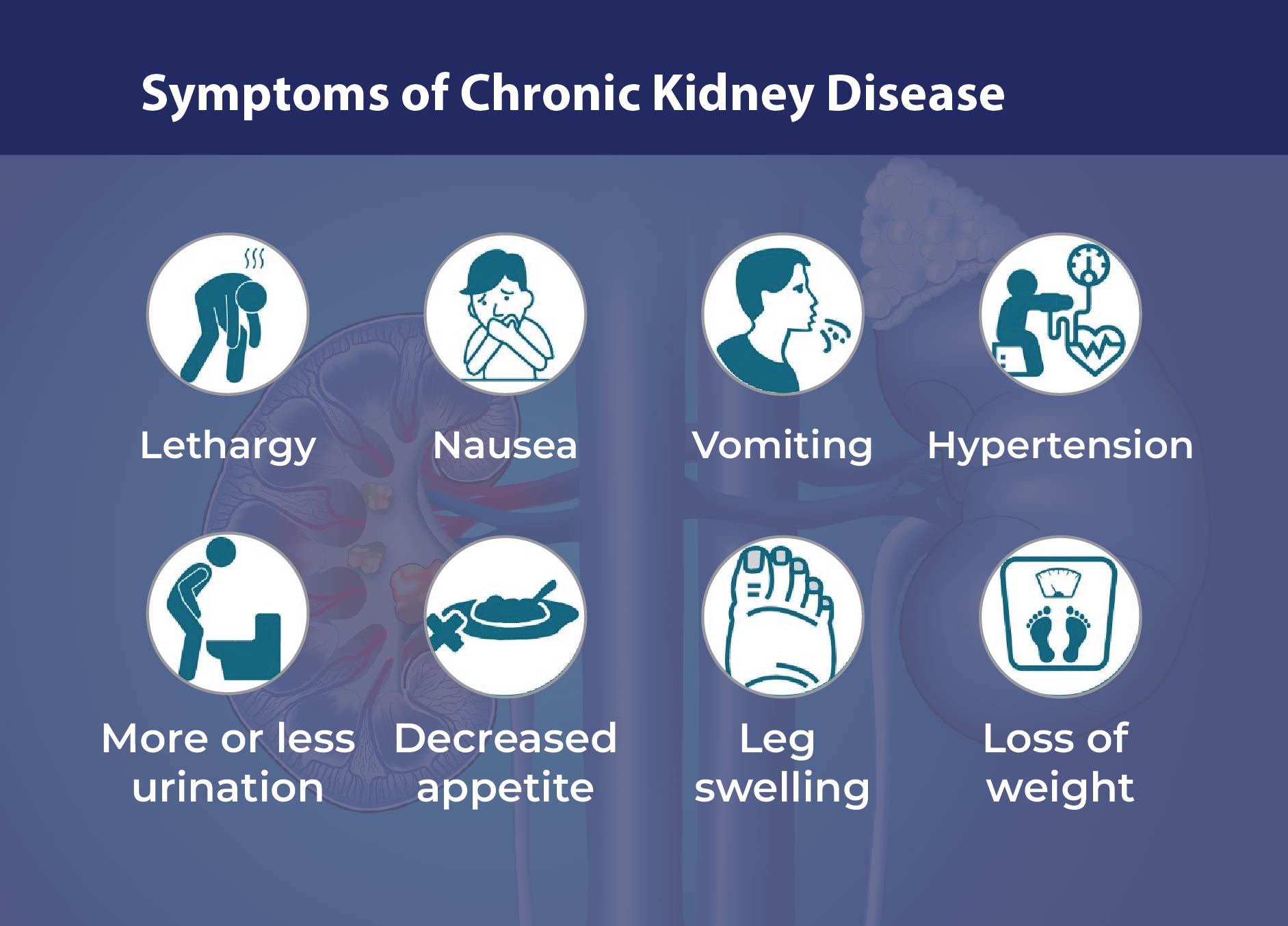
Common symptoms include persistent fatigue, swelling in the feet, ankles, or hands, difficulty concentrating, muscle cramps, dry and itchy skin, and changes in urination patterns.
Some individuals may experience foamy urine, frequent nighttime urination, or blood in the urine.
As kidney function continues to decline, symptoms may become more severe.
Nausea, loss of appetite, shortness of breath, and unexplained weight loss can occur as waste products build up in the body. These symptoms should prompt medical attention, especially among individuals with diabetes or high blood pressure.
Regular medical checkups remain one of the most effective ways to detect kidney problems before symptoms become severe. Routine blood pressure monitoring, blood sugar testing, and kidney function screenings can help identify risks early.
Prevention starts with everyday choices
The good news is that many cases of chronic kidney disease can be prevented or managed through healthy lifestyle habits. Prevention begins with controlling the major risk factors that damage the kidneys over time.
Maintaining healthy blood pressure and blood sugar levels is among the most important protective measures. Individuals with diabetes and hypertension should follow their treatment plans closely and undergo regular monitoring.
A balanced diet rich in fruits, vegetables, whole grains, and lean proteins can also help support kidney health.

Reducing excessive sodium intake, limiting sugary beverages, staying physically active, and maintaining a healthy weight can significantly lower the risk of kidney disease.
Drinking enough water and avoiding the unnecessary use of pain relievers or other medications that may strain the kidneys are equally important.
Equally crucial is the practice of preventive healthcare. Early screening allows doctors to detect kidney damage before it becomes irreversible, giving patients a better chance of slowing disease progression and maintaining their quality of life.
A future worth protecting
Chronic kidney disease may be silent, but its impact on individuals, families, and communities is profound. The condition often develops quietly, yet its consequences can be life-changing when left undetected and untreated.
The growing number of cases serves as a reminder that kidney health deserves greater attention. Through education, healthier lifestyle choices, regular screenings, and early intervention, more Filipinos can reduce their risk and protect one of the body’s most essential organs.
Awareness is the first step toward prevention.
By understanding chronic kidney disease today, we can help build a healthier tomorrow with fewer lives affected by this silent but often preventable threat.