It began as just another day on the road for motovlogger Yanna Aguinaldo, known to her followers as “Yanna Motovlog.” But a viral video of her heated confrontation with a pickup truck driver in Zambales quickly spiraled into a national conversation — not just about road rage, but about the daily mental strain of driving in Metro Manila and the unique pressures faced by public personalities when their real selves collide with their online personas.
A viral road rage incident, a public reckoning
The video, uploaded by Yanna herself, captured not just a traffic altercation but a cascade of emotions: frustration, anger, and the raw stress that so often simmers beneath the surface for motorists in the metro.
Due to this road rage incident, the Land Transportation Office (LTO) swiftly imposed sanctions: a ₱7,000 fine for reckless driving and vehicle violations, suspension of her license, and a stern reminder that influencers like Yanna bear a heightened responsibility to set a positive example for their audience.

Yet, beyond the legal consequences, the road rage incident struck a nerve.
It exposed the daily reality for millions: driving in Manila is not just a test of patience — it’s a marathon for the mind.
What is road rage?
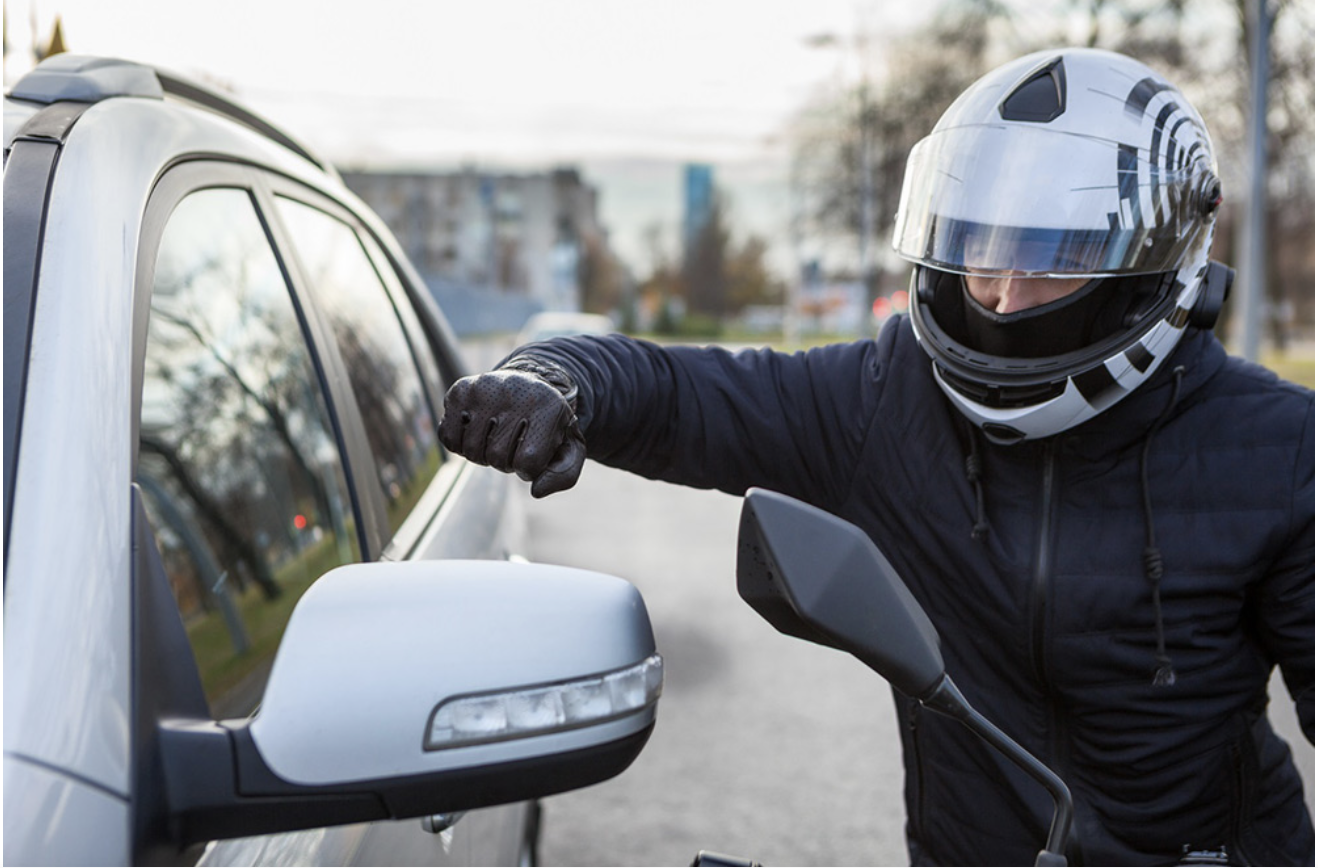
Road rage is any aggressive or angry behavior exhibited by people driving a vehicle.
These behaviors may include rude or verbal insults, yelling, physical threats, or dangerous driving methods aimed at other drivers, pedestrians, or cyclists — often as a way to intimidate or release frustration.
Road rage can escalate into altercations, property damage, assaults, or collisions that result in serious injuries or even death.
In Yanna’s case, what began as a confrontation turned into a powerful reminder of how quickly emotions can escalate behind the wheel — and the far-reaching consequences that can follow.
Manila: Where every commute is a stress test
A recent study ranks Manila among the world’s most stressful cities to drive in, citing chronic congestion, inconsiderate road users, unpredictable hazards, and a lack of clear road infrastructure as key contributors to road rage and driver stress.
The city’s infamous gridlock isn’t just an inconvenience — it’s a public health issue, with research linking long commutes and daily traffic hassles to elevated blood pressure, chronic stress, road rage, and even increased risk of heart disease and depression.
Drivers in Manila routinely face:

- Traffic jams that stretch for hours, eating into sleep and personal time.
- Air pollution that seeps into vehicles, raising health risks.
- Impatience and aggression from other motorists, fueling a cycle of frustration and, at times, explosive confrontations.
- Unpredictable road conditions — from potholes to unregulated vehicles — that keep nerves on edge.
As motoring experts and psychologists note, constant exposure to these stressors can erode emotional resilience. “Impatience, if you don’t handle it at the beginning, tends to turn into resentment and anger,” says University of Hawaii psychology professor Leon James.
Left unchecked, these emotions can escalate into road rage — often with tragic results.
The hidden toll on mental health
The impact isn’t limited to the moments behind the wheel. Chronic stress from driving can spill over into other areas of life, leading to poor sleep, anxiety, and even depression. For those whose livelihoods depend on their public image, like Yanna and other influencers, the stakes are even higher.
Influencers face a unique double bind. On one hand, they are expected to maintain a “perfect” persona online, curating content that is engaging, positive, and aspirational.
On the other hand, when real-life flaws or lapses in judgment are exposed, especially in viral road rage incidents, the backlash can be swift and unforgiving. The pressure to uphold an idealized image, combined with public scrutiny, can amplify stress, anxiety, and feelings of inadequacy.
As one study notes, the need to be constantly “on” for followers, brands, and algorithms can lead to burnout, emotional exhaustion, and a sense of losing touch with one’s authentic self. When the facade cracks, the fallout can be both personal and professional.
Staying Zen behind the wheel: Practical tips

So, how can drivers — and especially those in the public eye — protect their mental well-being on Manila’s roads? Experts recommend a blend of practical strategies and self-care:
- Practice deep breathing or mindfulness techniques. Box breathing (inhaling, holding, exhaling for four seconds each) or the 5-4-3-2-1 grounding method can help calm nerves during tense moments.
- Plan ahead and allow extra time. Reducing the pressure of running late can lower stress and minimize the temptation to take risky maneuvers.
- Curate your in-car environment. Listen to calming music or podcasts, adjust your seat for comfort, and keep the temperature pleasant.
- Set boundaries with technology. Switch your phone to “Do Not Disturb” to avoid distractions and the urge to vent online in the heat of the moment.
- Avoid engaging with aggressive drivers. Defensive driving and disengaging from provocations can prevent situations from escalating.
- Take breaks if overwhelmed. If emotions are running high, pull over safely and give yourself time to reset.
- Seek professional help if needed. If anger, anxiety, or stress become unmanageable, consulting a psychologist or wellness expert can provide coping tools and emotional regulation strategies.
For influencers: Embracing authenticity and self-compassion
For those in the influencer sphere, the incident is a reminder that authenticity — and self-compassion — matter more than perfection.
Setting boundaries, taking breaks from social media, and being transparent about struggles can help maintain mental health and foster genuine connections with followers.
As Yanna’s experience shows, the road to well-being is not always smooth.
But by acknowledging the pressures, seeking support, and prioritizing self-care, drivers and influencers alike can navigate Manila’s roads — and the digital world — with a little more calm and a lot more heart.
If you or someone you know is struggling with anger or stress behind the wheel, consider reaching out to a mental health professional. Mindful driving is not just about safety — it’s about caring for yourself and those around you.