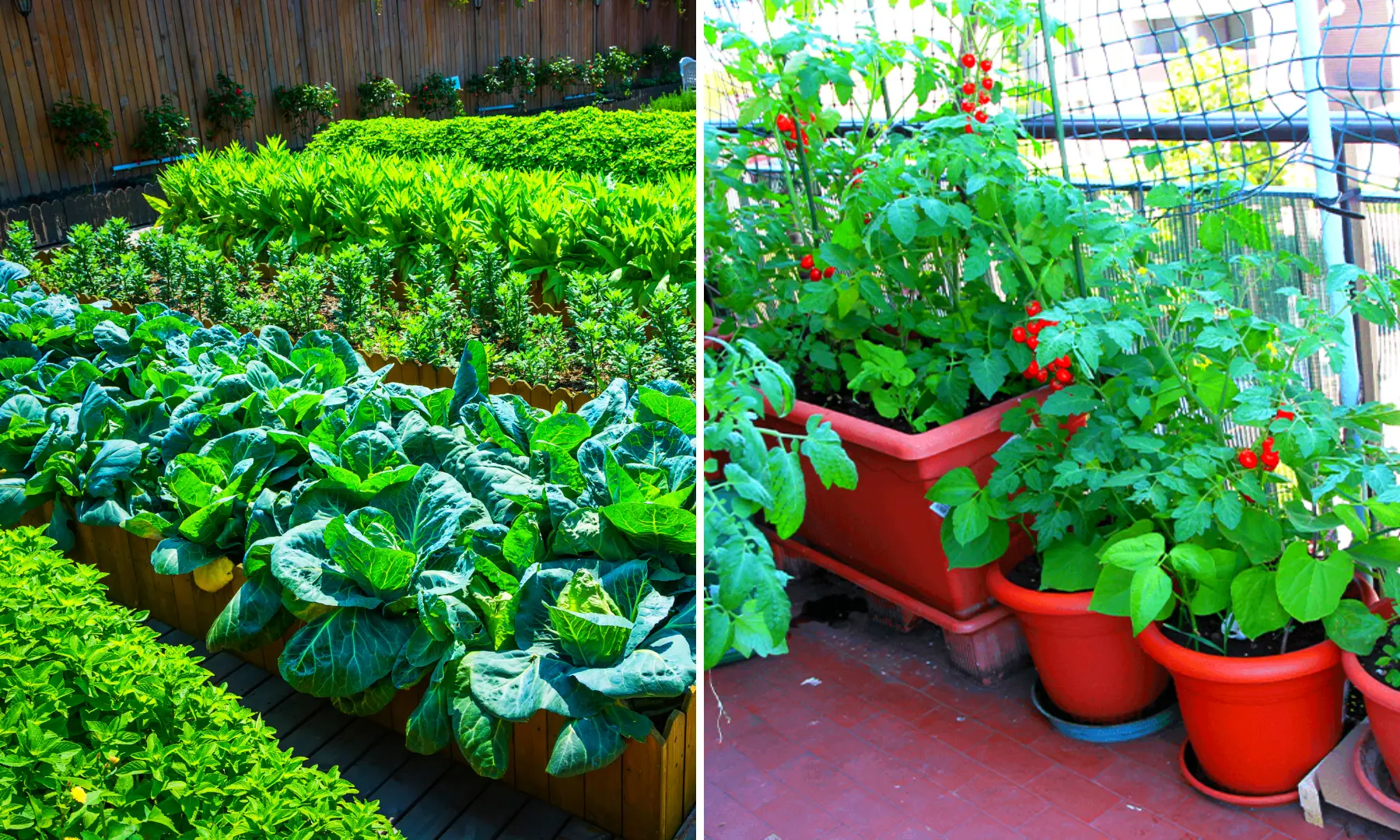
Amid Metro Manila’s dense sprawl of traffic, pollution, and high-rise developments, a quiet but steadily growing movement is reshaping the urban landscape — urban farming.
What began as a niche activity among backyard gardeners has evolved into a city-wide response to pressing urban challenges. Across the capital, residents, barangays, and even private developers are turning rooftops, vacant lots, and alleyways into productive patches of green.
Fueled by rising food costs, climate concerns, and a growing awareness of environmental sustainability, more city dwellers are embracing homegrown solutions.
Urban farming is no longer just a hobby; it has become a grassroots strategy for survival and self-sufficiency. Composting, vertical gardens, and hydroponics are now common in communities striving to reduce waste and grow fresh produce within reach. These efforts, once isolated, are now increasingly supported by local government programs, NGOs, and private initiatives that aim to green the gray and feed the city from within.
Greener living grows in the city

In Quezon City, the Joy of Urban Farming program, first launched in 2010, has exploded in popularity. According to the local government, the number of registered urban farms jumped from 754 to 1,026 between 2022 and 2023 alone.
What started as a small demonstration site at the Quezon Memorial Circle has grown into a city-wide campaign that encourages residents and barangays to turn vacant land and rooftops into food gardens. The government offers free seedlings, training, and even incentives such as real property tax discounts for active urban farm plots.
Meanwhile, in places like Pasay, private initiatives such as the SM Foundation’s Kabalikat sa Kabuhayan have helped introduce urban farming to marginalized communities, teaching residents to grow vegetables, compost kitchen waste, and even sell their surplus at weekend markets. Over 4,300 beneficiaries in the NCR have received training since the program began.
Rooftop harvests and repurposed spaces
One of the more striking aspects of the movement is how Filipinos are reclaiming unlikely spaces. Rooftops are now dotted with pots of eggplants and tomatoes; parking lots have become mini-agroforests.
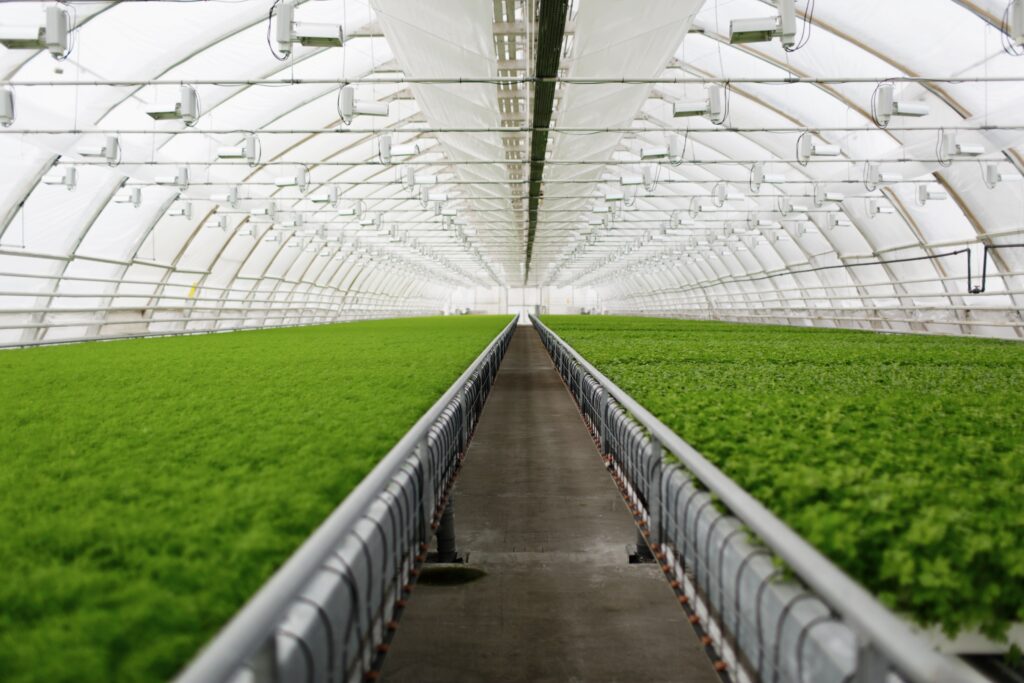
In Makati, Urban Greens is pioneering hydroponic farming systems in office buildings and condominiums, making it possible to grow lettuce, herbs, and micro-greens without soil, directly under LED grow lights.
In Caloocan’s “Pangarap Village,” residents began composting food waste and planting vegetables like alugbati and mustard greens during the pandemic. With little access to fresh produce at the time, their DIY food gardens proved not only sustainable but vital.
Today, some of those plots continue to flourish, feeding entire households and inspiring others to do the same while helping cultivate a greener future.
A growing ecosystem for urban farming
Online communities on platforms like Facebook have become digital greenhouses for urban farming enthusiasts in the Philippines. These spaces offer more than just tips — they foster a sense of community where members exchange seedlings, composting advice, and success stories.
Posts featuring homegrown harvests or DIY garden hacks often go viral, reflecting not only a growing interest in sustainability but also a cultural inclination toward bayanihan, or communal support. The popularity of these groups underscores how deeply the desire to grow, share, and connect is embedded in Filipino culture.
Why urban farming matters in today’s urbanized Metro Manila

Urban farming in Metro Manila is more than a passing trend — it has become a grassroots movement fueled by necessity, sustainability, and a collective desire to reconnect with both nature and community. In a metropolis grappling with rising food prices, shrinking green spaces, and the mental toll of urban living, these small-scale gardens offer practical solutions with meaningful impact.
Beyond providing fresh, affordable produce, urban farms help reduce household waste through composting, mitigate heat through added greenery, and foster a sense of shared purpose among neighbors. Whether it’s a rooftop garden, a pocket farm in a barangay, or a balcony filled with herbs, these efforts reflect a larger shift toward self-sufficiency and resilience.
As more Metro Manila residents embrace the soil — however limited their space — the movement proves that even modest green efforts can reshape not just the landscape, but the way city dwellers live, eat, and relate to one another.