
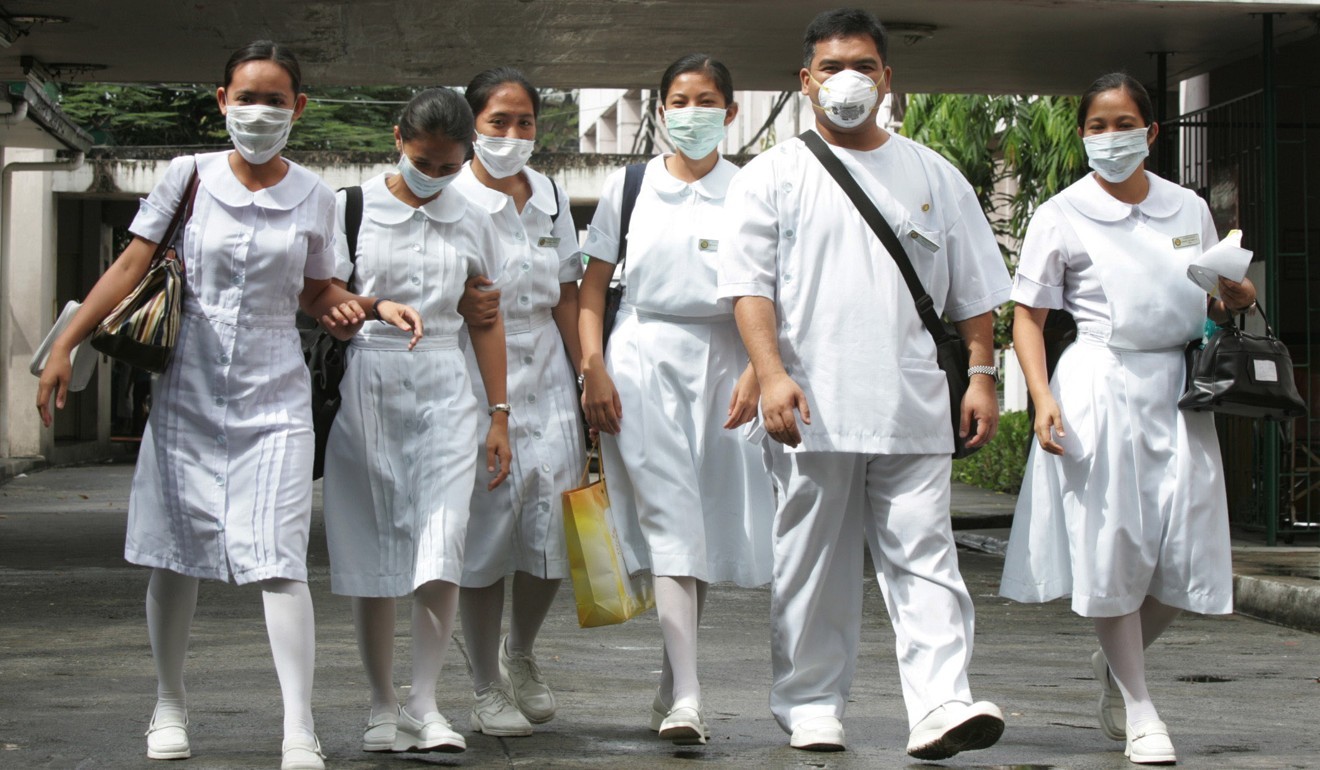
Filipino nurses are the backbone of healthcare systems around the world, celebrated for their skill, compassion, and dedication. They are also among the most sought-after medical professionals globally, with an estimated 28,000 taking the U.S. licensure exam in 2024 alone.
Yet, beneath this confident exterior lies a hidden struggle for many: the anxiety of communicating in English in high-stakes clinical settings.
A groundbreaking new study, a collaboration between the Philippine Nurses Association (PNA) and the OET, is bringing this issue into the light. The research confirms that language-related stress can significantly impact a nurse’s confidence, performance, and even the quality of patient care.
The project aims to understand and ultimately solve this challenge, ensuring that these vital healthcare workers can thrive personally and professionally.
Measuring the unseen

The first phase of the study, which involved 455 non-native English-speaking nurses in the Philippines, led to the creation of a specialized tool: the Medical Second Language Anxiety (M-SLA) Scale. This 24-item survey is the first of its kind, designed to precisely measure anxiety across five critical areas of a nurse’s daily life.
The scale examines the comfort level a nurse feels during patient interactions and their confidence in using complex medical terminology. It also assesses their anxiety when communicating with colleagues, a crucial part of ensuring seamless patient handovers and a safe working environment.
Finally, it addresses the fear of negative evaluation and a nurse’s overall self-rating of their English skills, getting to the heart of their internal confidence.
Gad Lim, OET’s Director of Assessment and Research, explains that while language anxiety isn’t always visible, its effects are very real. “Our hope is that this tool will serve as a practical resource for researchers, training institutions, and healthcare employers looking to better understand and address the communication challenges of non-native English-speaking nurses in the Philippines,” Lim said.
A path to better patient care for nurses

The ultimate goal of this research extends far beyond academic understanding. Both OET and the PNA see this as a vital step toward improving patient safety and healthcare outcomes globally. When nurses communicate with confidence, the risk of misinterpretation is reduced, leading to safer and more effective care.
Rosana Grace Belo-Delariarte, president of the PNA, emphasized the collaborative effort’s importance. “With this output, we hope to address communication issues that can impact patient care and safety,” she stated. “This will benefit not just Filipino nurses but also other nurses who have to use a second language in their professional practice.”
With the M-SLA Scale now validated, the study is moving into its next phases. Future efforts will focus on creating practical, tangible strategies to reduce this anxiety and strengthen communication skills for Filipino nurses working anywhere in the world.
For the thousands of healthcare professionals dreaming of a career abroad, this research offers more than just data; it offers a promise of support, empowering them to thrive where it matters most: at the patient’s side.
About OET

OET is the global leader in English language testing for healthcare. It empowers internationally trained healthcare professionals to communicate effectively in healthcare settings.
Every month, the company support tens-of-thousands of healthcare professionals from over 100 countries, who dream of taking their career further.
The company helps healthcare professionals in taking the next step, whether they’re looking to expand their horizons or to advance their careers right where they are. Its tests are recognized by over 450 organizations around the world, including for migration and licensing in Australia, New Zealand, the US, the UK and more.
Unlike other general or academic English tests, OET test has been developed specifically for 12 healthcare professions. The company has worked with healthcare experts to design the test to include real workplace tasks and medical vocabulary, so healthcare professionals can feel confident they’re selecting an English test that’s relevant to their global healthcare career. Learn more at https://oet.com.