When people talk about social responsibility, what often comes to mind are tree-planting activities, school outreach programs, or coastal clean-ups — visible acts of goodwill that show companies “giving back.” Yet, one vital issue rarely gets the spotlight: reproductive health.
Despite being central to individual and community well-being, reproductive health remains a sensitive topic in many parts of the Philippines.
Conversations around it are often avoided or relegated to niche advocacy groups due to deep-seated cultural taboos. But for true social responsibility to work, experts say it must address real, pressing community needs — even those that are uncomfortable to talk about.
Beyond charity: Why reproductive health deserves a place in CSR

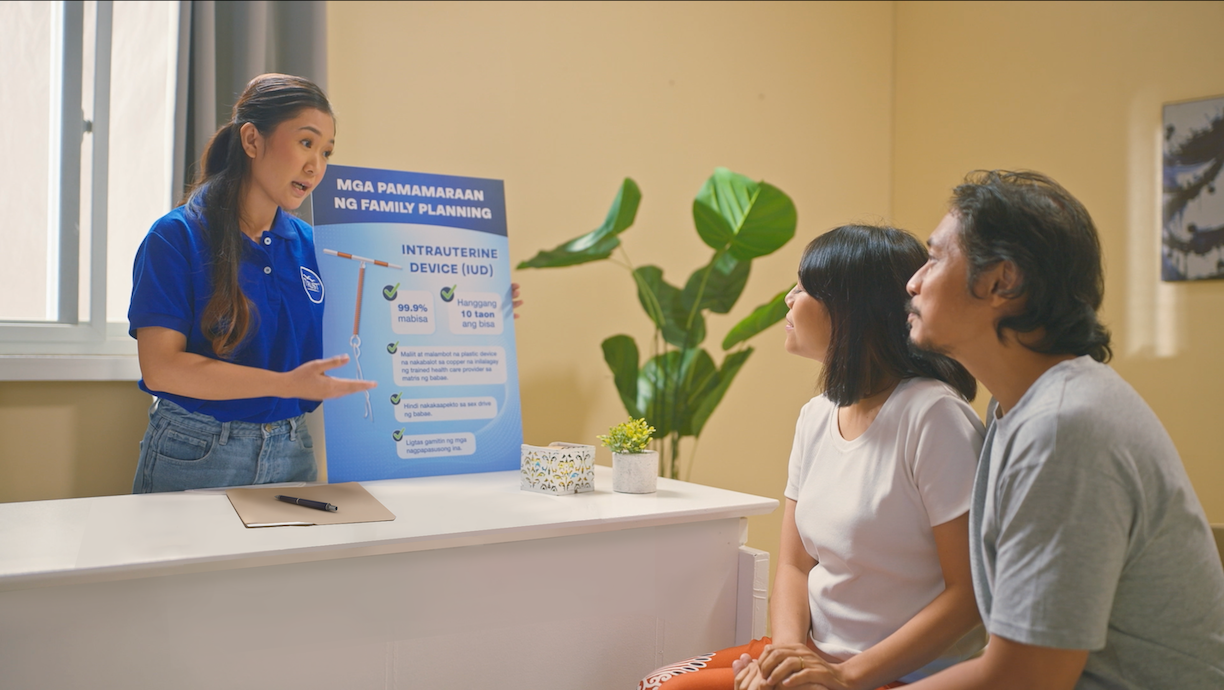
In the Philippines, reproductive health issues have far-reaching social and economic consequences. Rising cases of HIV infections and adolescent pregnancies continue to challenge public health systems, particularly among the youth. When individuals have access to accurate information, family planning options, and quality healthcare, they are better equipped to pursue education, sustain livelihoods, and contribute meaningfully to society.
In short, supporting reproductive health initiatives is not just about personal wellness — it’s about social progress.
This is where social enterprises play a crucial role. Unlike traditional corporate social responsibility (CSR) programs that focus on short-term projects, social enterprises are built for long-term, measurable impact. They reinvest their profits into causes that uplift communities, ensuring that their social mission is sustained alongside financial growth.
TRUST: A social enterprise leading with purpose

One brand leading the charge in this space is TRUST, the commercial master brand of DKT Health, Inc. A pioneering social enterprise in the Philippines, DKT Health reinvests its earnings into the DKT Philippines Foundation, which provides free reproductive health services — especially in remote and underserved areas.
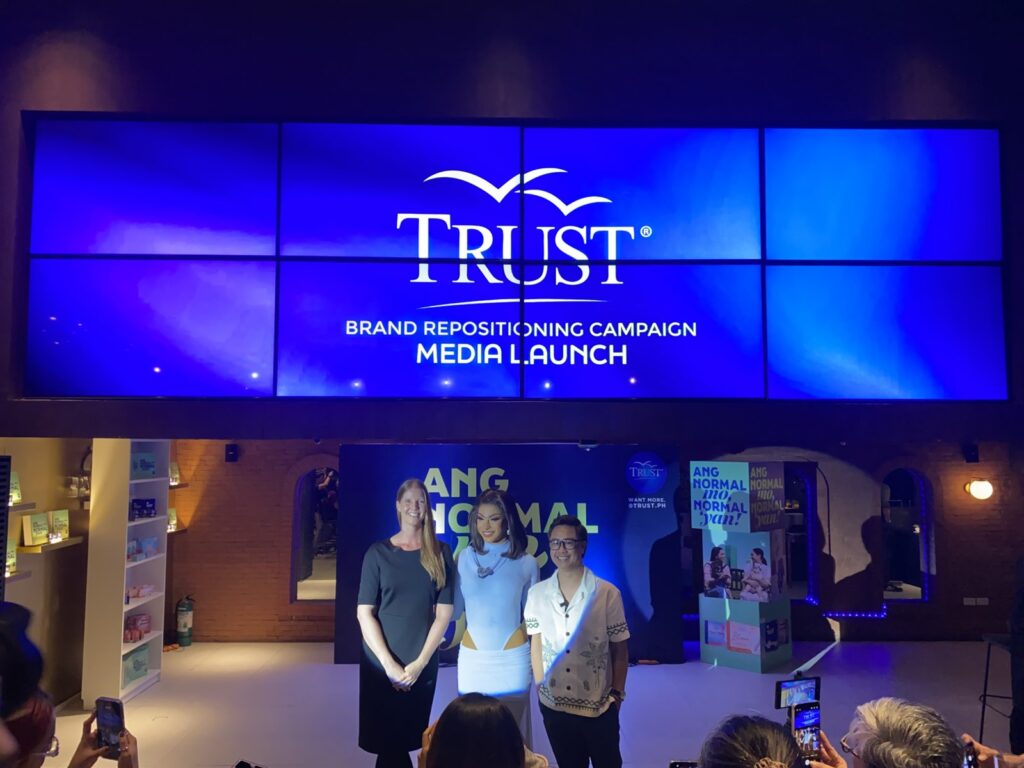
For over three decades, TRUST has built a legacy not just as a provider of affordable reproductive health products but as a catalyst for open conversation and education around sexual wellness. Its recent campaign, “Ang Normal Mo, Normal ’Yan!”, launched on September 25, 2025, aims to normalize discussions about sexual and reproductive health, reminding Filipinos that caring for one’s body is not taboo — it’s a responsible and empowering choice.
“We as a social enterprise put impact over profit,” said Denise R. van Dijk, President and CEO of DKT Health, Inc. “These profits are just a means of increasing our impact. We take what we generate and put it back into our foundation so it can focus on last-mile distributions.”
Turning every purchase into real-world impact
To measure its success, TRUST uses the internationally recognized metric Couple-Years of Protection (CYP) — a standard used by public health practitioners to assess the reach and effectiveness of contraceptive programs.
In 2024 alone, TRUST provided protection for 3.6 million couples, or roughly 7.2 million individuals, through both commercial sales and free services. The numbers reflect the organization’s enduring commitment to accessibility, reliability, and community impact.
Each product sold under the TRUST brand directly contributes to funding free reproductive health programs, bridging the gap between private enterprise and public health advocacy.
Purpose-driven business for a healthier future

As Filipino consumers grow more conscious of the values behind the brands they support, the rise of social enterprises like TRUST highlights how business can serve as a force for good.
By addressing reproductive health head-on, TRUST and DKT Health are not only breaking stigmas but also setting an example of what meaningful social responsibility looks like — one that empowers people, promotes wellness, and strengthens communities.
In a world where doing good often means doing what’s easy, TRUST stands out for doing what’s necessary — ensuring that every Filipino has the right, the knowledge, and the means to make informed choices about their health.