
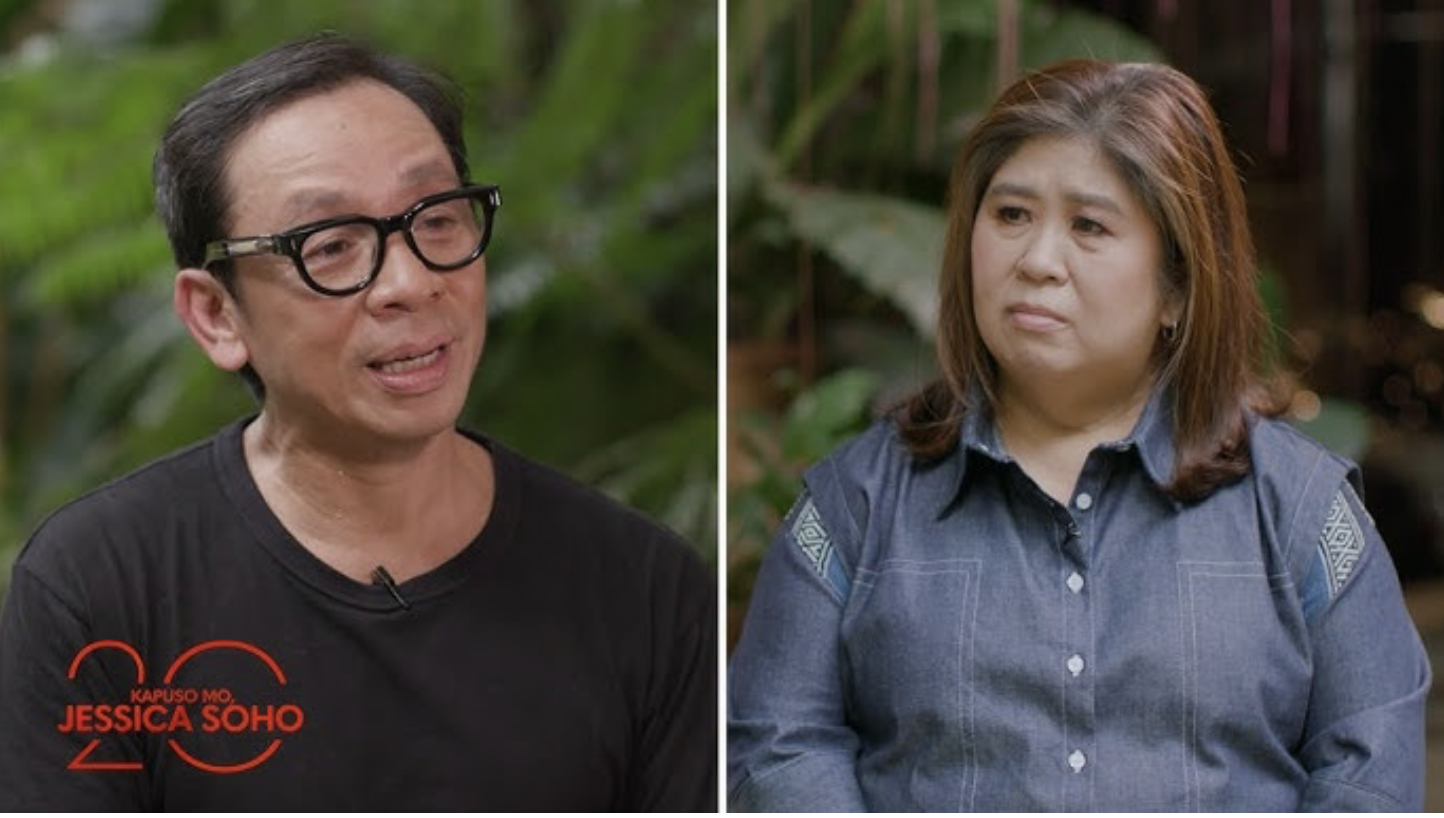
When Jessica Soho sat across from Kim “Kuya Kim” Atienza in a recent Kapuso Mo, Jessica Soho episode, it wasn’t the usual trivia-packed conversation.
There were no fun facts about animals or science, no lively energy that usually fills a Kuya Kim interview. Instead, there was stillness — a kind that only grief can bring.
Kim spoke about losing his daughter, Emman. The words came haltingly, heavy but sincere. “Madali ang physical pain,” he shared, his voice low. “Pero ang mawalan ng anak… masakit. Hindi mo alam saan galing ‘yung sakit, masakit lang.”
It was a rare glimpse into a kind of pain that’s often hidden, especially by public figures known for strength and optimism. But what made the moment powerful wasn’t just his vulnerability — it was his honesty about how loss exposes our quiet need for help.
When strength becomes silence
In Filipino families, emotional endurance is often mistaken for bravery. We are taught early to “be strong,” to “pray harder,” to “move on.” We wear smiles even when our hearts are breaking. We apologize for crying. We bury our fears in humor or hard work, telling ourselves others have it worse.
But what happens when strength becomes silence? When the weight of “kaya mo ‘yan” begins to suffocate instead of sustain?
This is the space where many Filipinos quietly struggle. Mental health, despite growing awareness, remains a subject wrapped in stigma. Asking for help can feel like a betrayal of our family’s faith or our own toughness. Yet the truth is simple and often forgotten: courage is not the absence of pain, but the willingness to face it—and to ask for help when it overwhelms us.
What Kuya Kim’s story reminds us
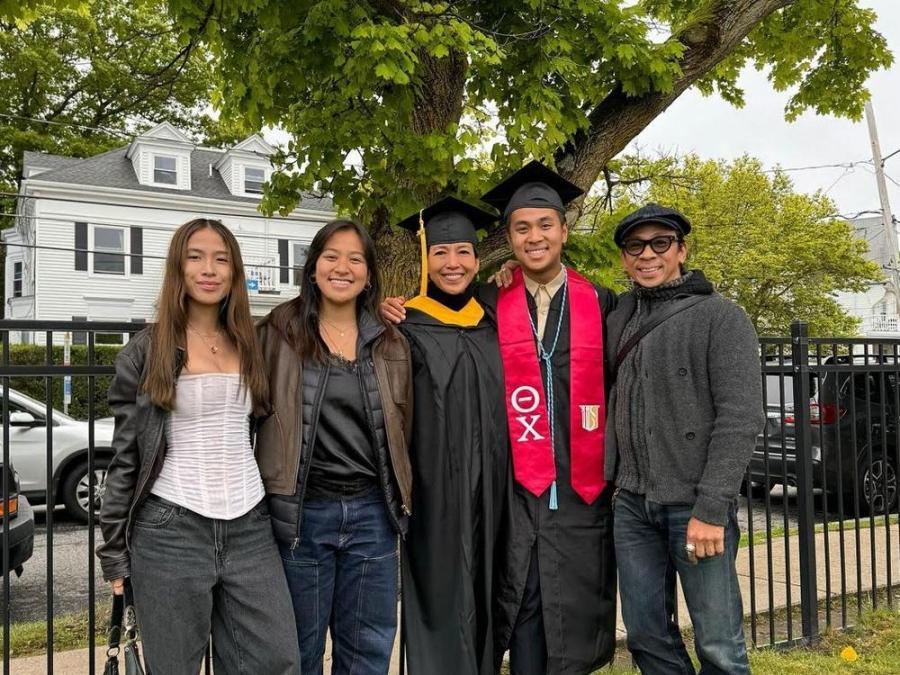
Kim’s conversation with Jessica Soho offered more than heartbreak—it offered reflection. He revealed that his daughter, despite her bright presence, had battled deep emotional pain, silently and bravely. The family, out of love and protection, chose to keep it private.

That choice is familiar to many Filipino families. Out of fear of judgment or gossip, we keep quiet about depression, anxiety, or trauma. We comfort ourselves with faith but sometimes stop short of seeking professional help.
Kim’s openness shifted that narrative. He reminded us that even those who seem unshakeable can carry unseen struggles. And by speaking about his family’s pain, he extended an invitation for others to acknowledge theirs.
The cultural weight of “Kaya Mo ‘Yan”
“Kaya mo ‘yan” is one of the most common phrases in our vocabulary. It’s well-intentioned—a promise of hope, a reminder that life goes on. But it can also become a wall, a way of skipping the hard conversations that people in pain truly need.
When someone says, “I’m not okay,” they don’t always need a pep talk. Sometimes, they just need presence—a friend to listen without judgment, a family member who won’t rush them to heal.
As a culture, we’ve mastered survival. What we now need to learn is softness—the kind that allows space for grief, fear, and uncertainty. The kind that teaches us that resilience isn’t about silence, but about support.
How to ask for help — and offer it
There’s no perfect way to reach out. For some, it starts with a simple message: “Can we talk?” For others, it’s calling a trusted friend, or speaking to a counselor. Seeking help is not a sign of weakness — it’s a declaration of life.

Here are a few gentle ways to begin:
- Name your feelings. Saying “I’m sad” or “I’m tired” helps bring clarity to chaos.
- Reach out early. Don’t wait for the breaking point.
- Find safe spaces. Whether it’s a loved one, a therapist, or a community group, find people who listen without judgment.
- Offer empathy. When someone opens up to you, resist the urge to fix. Just listen.
If you or someone you know needs immediate support, reach out to these hotlines:
- NCMH Crisis Hotline: 1553 (Luzon-wide landline)
- Hopeline PH: 0917-558-4673 / (02) 8804-4673
- In Touch Community Services: (02) 8893-7603
These lines are open 24/7. A call or message might not erase the pain—but it can be the first step out of isolation.
The strength of softness

Kuya Kim’s story is not just one of loss — it’s also a story of rediscovering what it means to be strong. By choosing to speak, he broke a cycle of silence that many Filipinos know too well.
Perhaps that’s the quiet revolution our culture needs: a shift from endurance to empathy, from isolation to connection. Because the truth is, it takes more courage to say “I need help” than to pretend we’re fine.
We may not all carry the same pain, but we share the same humanity. And sometimes, that’s enough — to listen, to reach out, to remind someone that help is always within reach.
So the next time you feel like you’re drowning in your own strength, remember this: it’s okay to pause. It’s okay to cry. And it’s more than okay to ask for help.
If you or someone you love is struggling, please reach out. You are not alone — and you never have to be.