
A people-first look at sari-sari store owners, online resellers, and weekend market vendors who now rely on e-wallets and QR payments — not just for convenience, but for survival.
It started with a tiny square stuck by the cashier’s counter: a QR code. For millions of Filipinos, that familiar pattern now saves them from rustling through wallets, counting coins, or waiting for exact change. But beyond convenience lies a deeper transformation — one that’s reshaping how people earn, sell, and pay.
Across neighborhoods and markets, digital wallets like GCash and Maya have become inseparable from daily life, with small businesses emerging as some of their biggest adopters.

Sari-sari stores as digital hubs
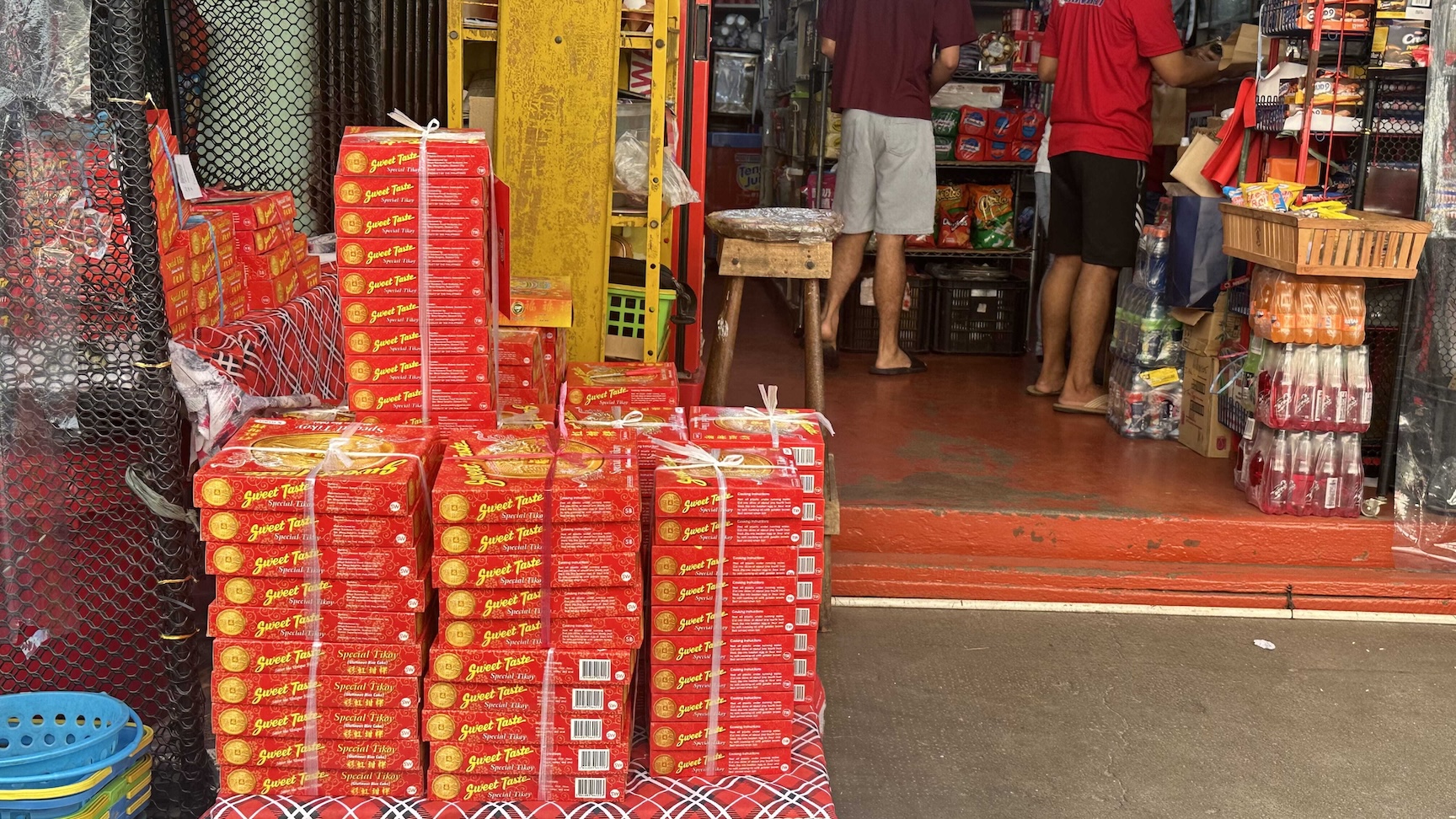
At the most basic retail point — the sari-sari store — going cashless isn’t a buzzword. It’s a necessity.
“Malaking tulong talaga ang Growsari para makasabay kami sa panahon ngayon,” says Yvonne Bautista, a sari-sari store owner. Through Growsari’s digital payments system, her store can now accept QR code payments directly into a merchant wallet—one she uses to pay suppliers and transact without needing physical cash.
Bautista’s experience reflects a broader shift. Recent studies show that e-wallet usage among sari-sari stores surged by about 75 percent as owners adapted to changing consumer habits and leaned into digital tools — not just for in-store payments, but also for bills payment and supplier transactions. Many store owners report that a growing share of their revenue now comes from cashless payments.

Packworks, a startup tracking micro-merchant digitization, notes that sari-sari store owners increasingly use e-wallets for payments, bill collection, as well as cash-in/out services (and yes, even basic financial services) — effectively turning these corner stores into near-frictionless “nano-banks” for their communities.
From daily bread to digital credit
For market vendors and public utility vehicle (PUV) drivers, digital payments are opening doors long closed by traditional finance.
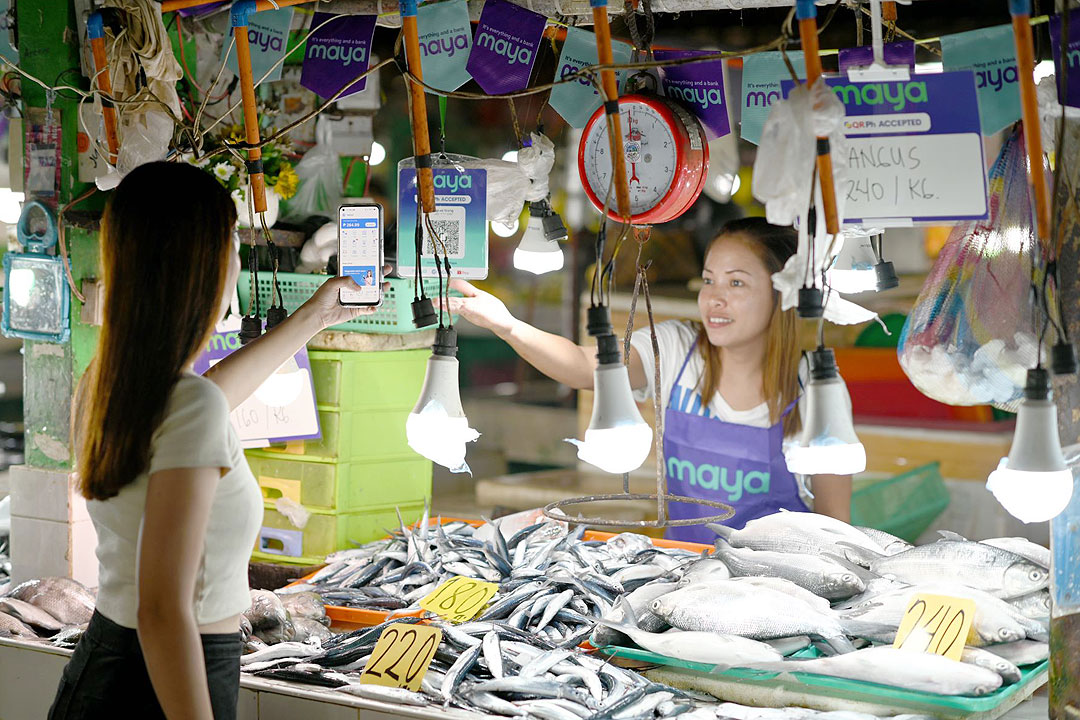
In Cadiz City, Negros Occidental, market vendor Jovelyn Abordo now accepts Maya QR code payments at her stall. More than that, her cashless transaction history helps her qualify for loans through Maya’s Paleng-Kita program — a sharp contrast to the past, when informal vendors rarely had access to formal credit.
“Many small vendors and transport drivers have never had access to formal credit,” says Maya Group president Shailesh Baidwan, noting how QR payments create the transactional footprint needed to assess creditworthiness. By linking regular QR usage to access to financing, these initiatives aren’t just reducing reliance on cash — they’re offering vendors a pathway into financial services they were previously excluded from.
The commuter connection
The digital wave doesn’t stop at stores or markets. It’s reaching transport systems, too.
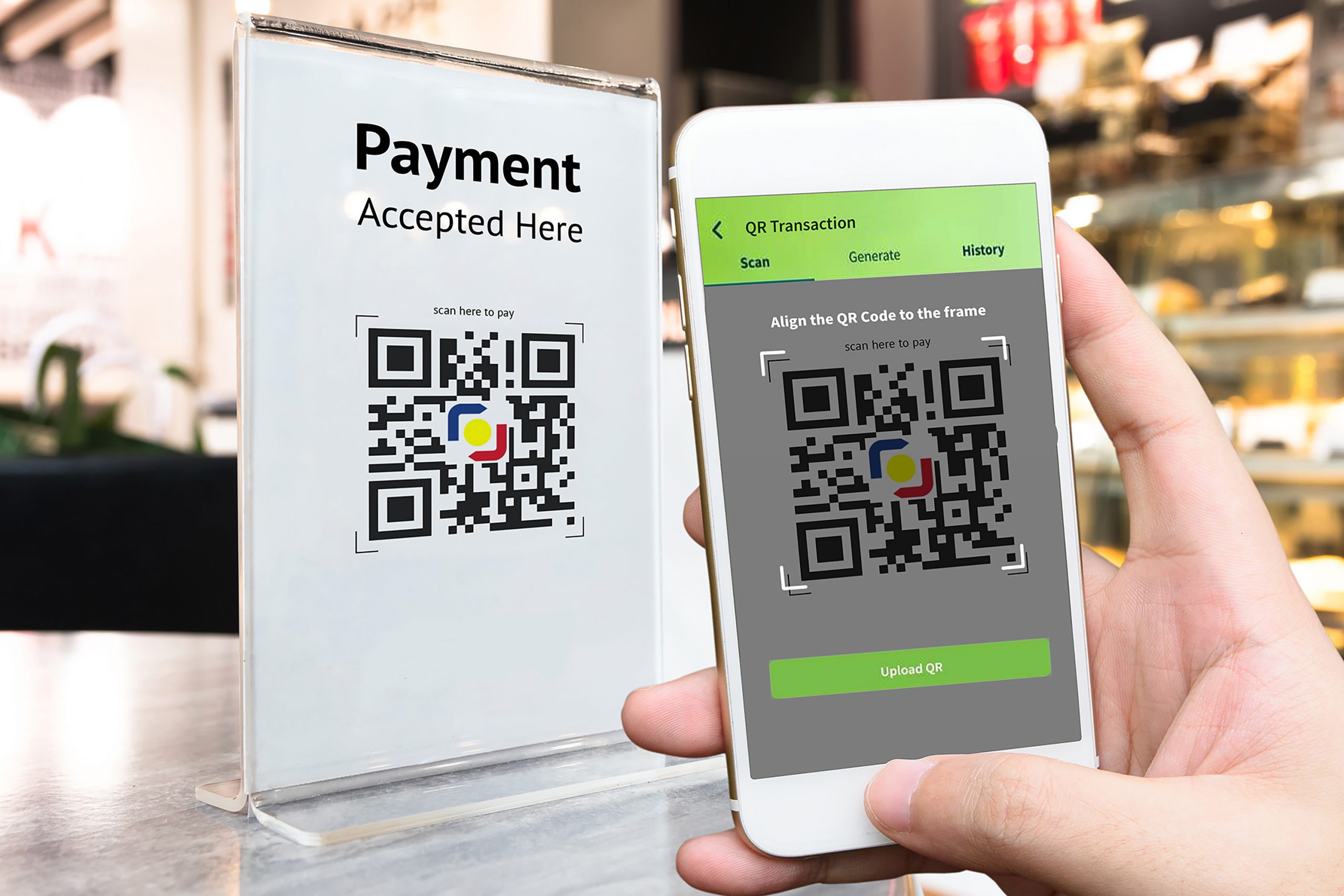
Across the country, government and private sector efforts are rolling out QR payment options at terminals and transit points. In Pangasinan, tricycle drivers and transport workers have begun shifting to QR-based fares under local digitalization programs, allowing commuters to pay more securely and efficiently — without cash.
For riders, that means less fumbling for exact change. For drivers, it means safer fare collection and easier day-to-day record-keeping.
Under the hood: what it means for small business
The move away from cash hasn’t happened by accident.
Financial platforms like Growsari actively support micro-merchants with QR solutions that help them track earnings, reduce cash-handling errors, and participate more fully in the digital economy.
These tools come with tangible benefits:
- Faster transactions – no waiting for change
- Better records – digital receipts and transaction history
- Expanded services – such as loading services and credit access
- Financial inclusion – reducing barriers to formal financial services
For many vendors, these aren’t nice-to-haves. They’re survival tools. Without digital payment options, small businesses risk losing customers who increasingly expect cashless choices — while missing out on financial services once reserved for formally registered enterprises.
Small wins, big impact
In a country where cash has long dominated markets and transport, QR codes — and the digital wallets behind them — are quietly reshaping everyday life. What began as a matter of convenience has become a lifeline for micro-entrepreneurs and families whose livelihoods depend on quick, reliable transactions.
From sari-sari stores to weekend markets, the shift isn’t without challenges. Connectivity, digital literacy, and trust still matter.
But these small wins — faster sales, safer transactions, access to credit — are steadily helping shape an economy where everyday Filipinos can participate more fully, one scan at a time.