Prioritizing mental health is no longer a whispered conversation among young professionals in Metro Manila — it has become a defining movement in the BPO era.
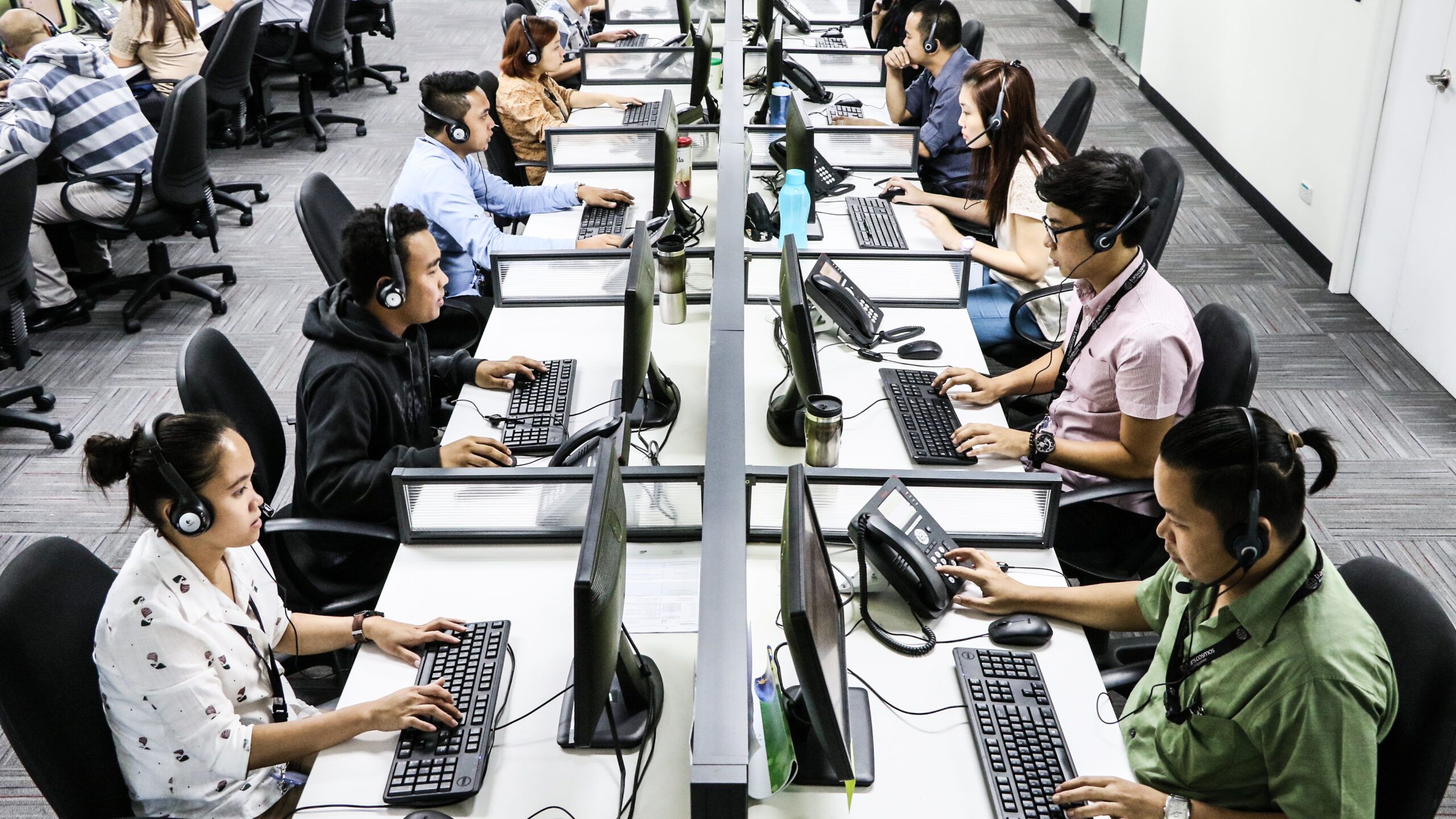
In glass towers stretching across Metro Manila, thousands of agents log in nightly to serve global markets, juggle shifting time zones, and meet relentless performance metrics. But behind the glowing screens and steady paychecks lies a growing realization: success is unsustainable without well-being.
For many millennials and Gen Z employees in the business process outsourcing sector, prioritizing mental health means rethinking hustle culture, setting firmer boundaries, and choosing workplaces that value wellness as much as output.
From therapy apps to wellness leaves and even “quiet quitting,” a cultural shift is reshaping how young Filipinos define ambition and achievement.

The high cost of the graveyard shift
The Philippines remains one of the world’s BPO capitals, with hubs in Makati, Ortigas, and BGC operating around the clock. While the industry has opened doors to financial independence, the physical and emotional toll of graveyard shifts is becoming harder to ignore.
Sleep disruption, social isolation, and performance pressure are common struggles shared in pantry conversations and late-night commutes.

Prioritizing mental health in this environment often begins with small but intentional steps: blocking out uninterrupted rest hours, limiting overtime, and seeking professional counseling. Young employees are increasingly aware that burnout is not a badge of honor. Instead, it is a warning sign that demands action.
Companies, too, are starting to respond. More firms are introducing mental health breaks, employee assistance programs, and wellness webinars.
In a competitive labor market, supporting mental health is becoming both a moral and strategic priority.
Therapy apps, wellness days, and digital support
:max_bytes(150000):strip_icc()/vwm-best-mental-health-apps-tout-04fea5cdb8944a16a88adc8dfe19f5f7.jpg)
Technology is playing a pivotal role in prioritizing mental health. With the rise of local and global therapy apps, young professionals can now book virtual consultations without leaving their condos or navigating traffic. The stigma around seeking help is slowly fading, replaced by open conversations about anxiety, depression, and emotional fatigue.
Wellness days are also gaining ground. Unlike traditional sick leave, these are specifically designed to allow employees to reset mentally. Some companies encourage “no-meeting Fridays,” guided meditation sessions, or mental health awareness talks.
These initiatives reflect a broader recognition that productivity thrives when people feel psychologically safe.
Beyond corporate programs, communities are forming online — group chats that double as support circles, social media threads sharing coping strategies, and coworking spaces that promote balance rather than burnout. Prioritizing mental health is becoming a shared language among peers.
Quiet quitting and redefining success
Perhaps the most talked-about trend linked to prioritizing mental health is “quiet quitting”—doing one’s job well but refusing to go beyond agreed responsibilities at the expense of personal well-being. For many young professionals, this is not about laziness but about sustainability.

The pandemic reshaped perspectives. Lockdowns forced people to confront fragility — of health, time, and life itself. As offices reopened, fewer were willing to sacrifice weekends, family dinners, and personal passions for constant availability. Ambition remains alive, but it now coexists with boundaries.
In Metro Manila’s buzzing business districts, a new narrative is emerging. Climbing the corporate ladder is still a dream, but not at any cost. Prioritizing mental health has become a conscious choice—one that values therapy as much as training, rest as much as recognition, and balance as much as bonuses.
The shift that’s here to stay
In the heart of the Philippines’ BPO boom, a quiet revolution is unfolding. Young professionals are proving that prioritizing mental health is not a weakness but a form of strength. It is a declaration that careers should enhance life — not consume it.
As therapy apps ping with appointment reminders and wellness days fill company calendars, one truth stands clear: a generation is rewriting the rules of work. And in doing so, they are building not just resilient careers — but healthier, more meaningful lives.