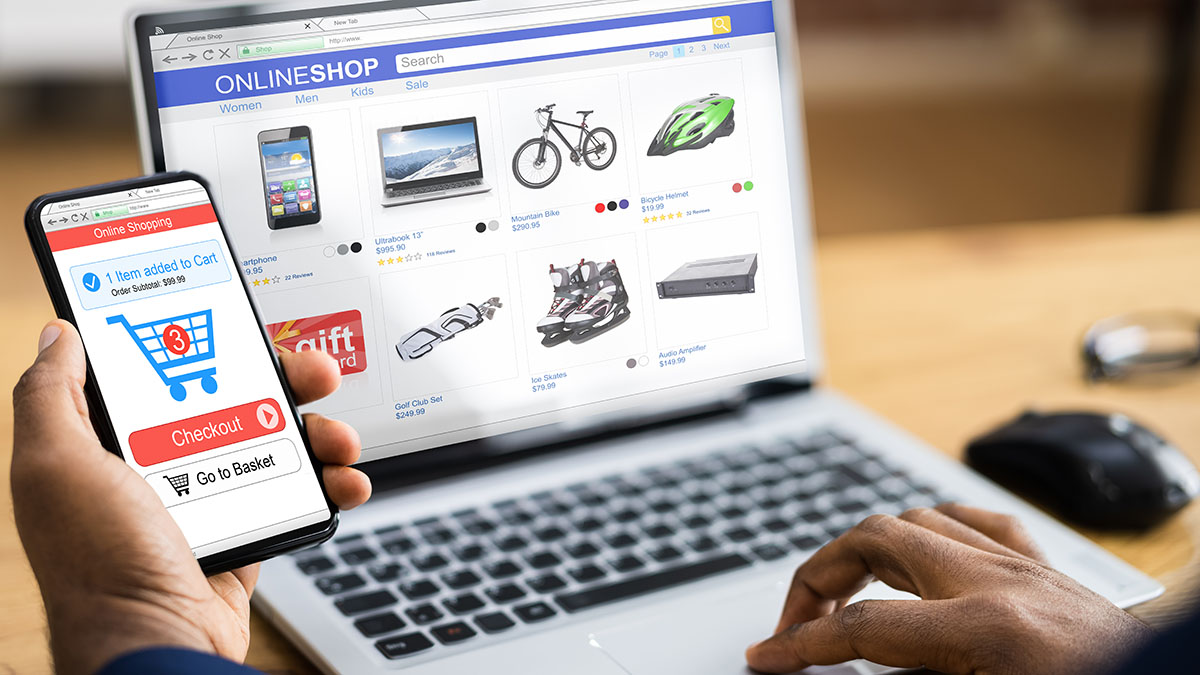
Online shopping in the Philippines has become more than just a way to buy things. Maybe it was skincare from Shopee, a phone case from Lazada, or dinner through GrabFood. Whatever you ordered last night probably arrived faster than you expected — and it says more about how Filipinos live today than you might think.
Have you ever excused yourself in the middle of an online meeting to get your parcel?
Do you feel that flash of excitement when you hear the rider shout, “Tao po! Delivery!” as you fumble for your GCash QR or the last few coins in your wallet?
That small moment captures what modern living looks like now: a life shaped by convenience, routine, and the quiet thrill of receiving something new.
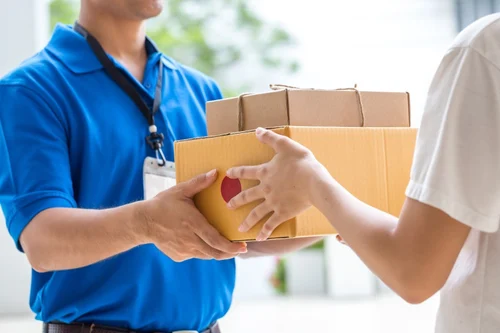
Online shopping in the Philippines has become more than just a way to buy things. It has become a daily ritual — an extension of identity and aspiration for millions of Filipino consumers.
When shopping data meets delivery
A recent study titled “We Are What We Buy: Extracting Urban Lifestyles Using Large-Scale Delivery Records” analyzed over 100 million delivery transactions in Seoul.
Researchers discovered that people could be grouped not just by where they lived, but by what they ordered. Some neighborhoods leaned toward cosmetics and wellness goods, others toward groceries, and others still toward tech gadgets.
The study showed that delivery data can reveal social patterns—how lifestyle and consumption intertwine.
If the same research were done in Metro Manila, what might we discover?
The Filipino consumer goes digital
The Philippines remains one of Southeast Asia’s fastest-growing e-commerce markets.
According to the Department of Trade and Industry (DTI), digital retail continues to expand across urban and rural areas, supported by better delivery networks and easier mobile payments.
Data from Statista (2025) shows that most Filipino consumers shop online at least once a month, with electronics, fashion, and beauty products topping the list. And while convenience drives these habits, it’s also about trust. Over the past five years, Filipino shoppers have learned to rely on digital platforms for almost everything—from groceries and pet supplies to birthday gifts and business orders.
Online shopping has also blurred the old lines between luxury and necessity. A Lazada cart might hold both instant noodles and wireless earbuds, a small picture of how priorities mix in real life.
The hidden cost of convenience
Behind every parcel, there’s a trail of packaging and fuel.
The Department of Environment and Natural Resources (DENR) reports that the Philippines generates around 61,000 metric tons of solid waste every day, with plastic making up roughly 24 percent.
Only a small fraction is recycled.
Research from the Chemical Engineering Transactions Journal estimates that e-commerce packaging adds around 11.8 kilotons of plastic waste annually in the country.
A study found that e-commerce waste in Cavite increased by over 200 percent from 2019 to 2022, now accounting for 11 percent of total municipal waste.
Every layer of bubble wrap and every delivery truck adds to a larger environmental footprint.
The ease of online shopping has made our lives faster—but it has also made our waste harder to manage.
From malls to mobile carts
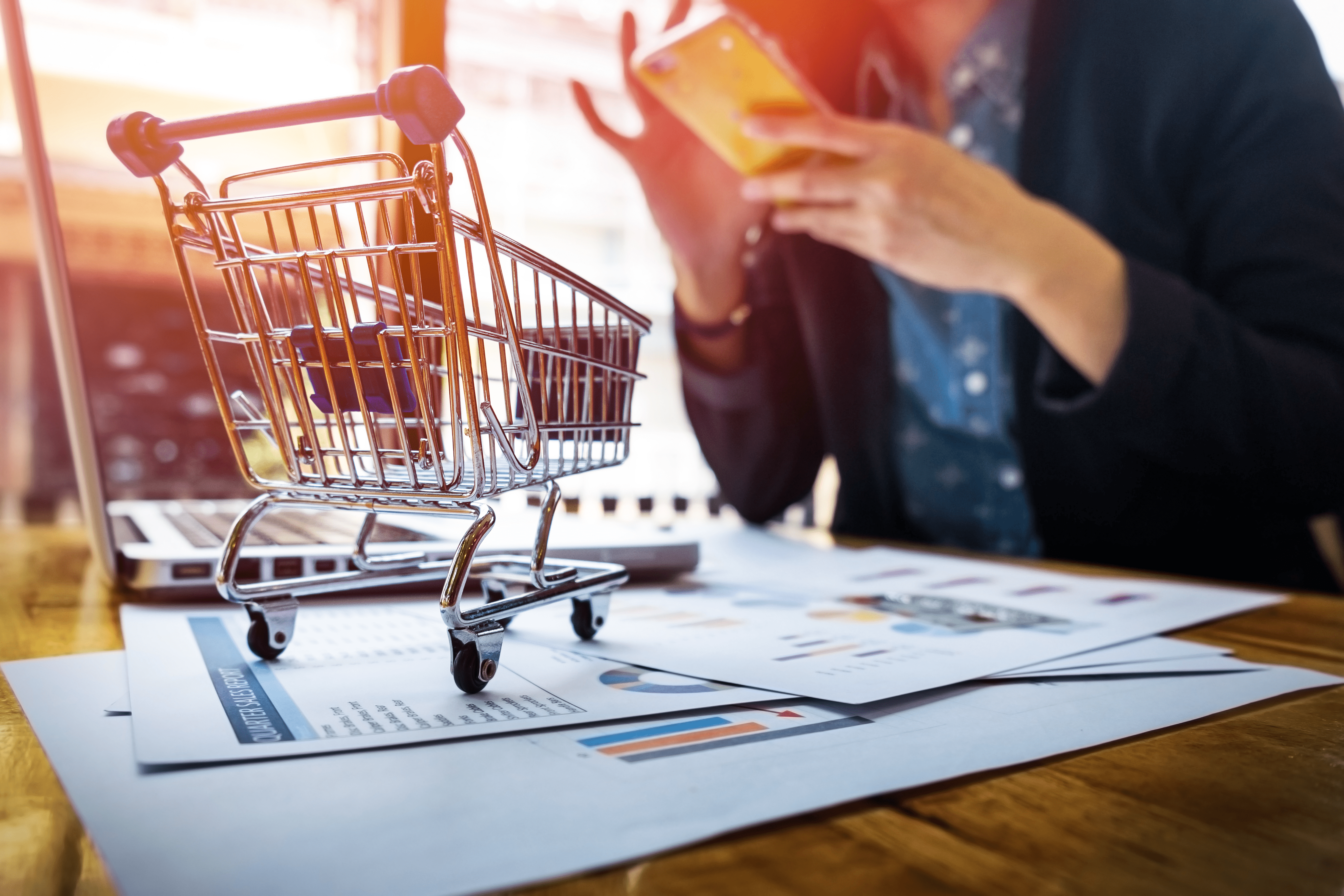
For decades, shopping malls defined Filipino social life. They were gathering places, cooling spots, and centers of culture. But the shift to online platforms has changed that rhythm. The “mall stroll” has turned into the “scroll,” where browsing happens on screens and checkout happens with a tap.
Yet the essence of Filipino shopping—the mix of curiosity, reward, and community—remains intact.
Livestream sellers and TikTok creators now play the role of store attendants. Comment sections and product reviews have replaced casual in-store chatter.
What used to be a shared mall experience has turned into digital participation.
Online shopping hasn’t erased the Filipino sense of connection; it has simply moved it to new spaces.
A new kind of map
If someone created a consumption map of Metro Manila based on delivery data, it would reveal familiar stories in new forms.
Condo towers in Taguig filled with Grab and grocery deliveries.
Suburban homes in Quezon City and Antipolo stocked with Shopee boxes and Lazada finds.
Entrepreneurs in Davao and Cebu relying on courier apps to ship homemade goods.
There’s no such study for the Philippines yet, but you can already see the pattern every day—in the brown boxes stacked in lobbies, the parked motorcycles outside gates, and the constant buzz of notifications that signal something has arrived.
Our delivery habits have quietly become a mirror of how we live, earn, and aspire.
Beyond the doorstep
Online shopping reflects much about who we are today: adaptable, practical, and deeply connected through technology.
It has opened doors for small businesses, provided access to far-flung communities, and turned digital platforms into marketplaces for both essentials and dreams.
But it also invites reflection. Each order, each delivery, each unboxing says something about what we value—speed, comfort, access, or reward.
In the end, our deliveries don’t just bring us what we need. They show us who we’ve become.