
As fears of a potential flu epidemic rise amid a surge in respiratory infections, several schools across the National Capital Region (NCR) have temporarily suspended face-to-face classes this week following a spike in Influenza-like illness (ILI) among students and teachers.
Health officials have emphasized that while the uptick remains within seasonal levels, the move reflects growing caution based on lessons learned from the COVID-19 pandemic and increasing concerns over how fast viral illnesses are spreading during the cooler months.
Each year, after all, as the cooler months and rainy season set in across the Philippines, a familiar pattern returns: an uptick in respiratory illnesses.
Among these ailments, ILI remains a focus for health authorities. While many people refer to these infections simply as “trangkaso,” the ailment covers a range of respiratory diseases caused by different viruses — not just seasonal influenza — and understanding its spread and prevention is essential for protecting students, families, and communities.
What is an Influenza-like illness?
Influenza-like illness is an acute respiratory condition typically marked by the sudden onset of fever (38°C or higher) accompanied by a cough and/or sore throat, often with body aches, nasal congestion, and fatigue. While most people recover within a few days, ILI can lead to complications such as pneumonia — especially among young children, older adults, pregnant women, and those with chronic diseases.
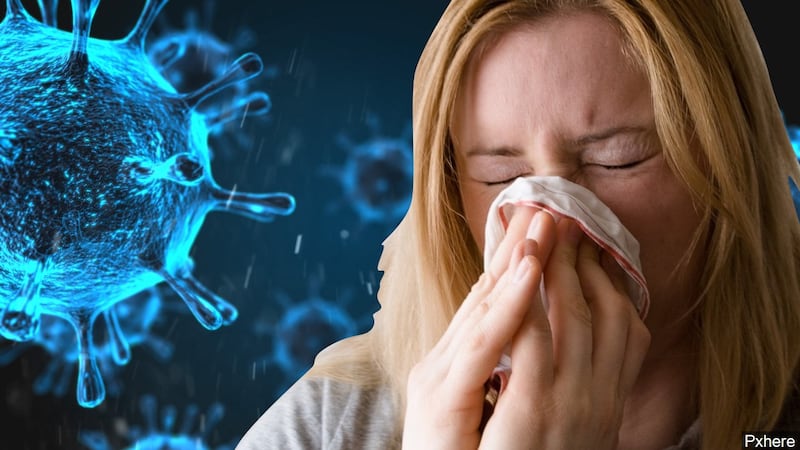
It’s important to note that not every ILI case is caused by the influenza virus. Other respiratory pathogens such as rhinovirus, adenovirus, and respiratory syncytial virus (RSV) can cause similar symptoms. Because of this, public health officials use ILI as a broader clinical indicator that requires ongoing monitoring and response.
People with Influenza-like illness often experience a sudden onset of symptoms that affect both the respiratory system and the body as a whole. The most common signs and symptoms include:
- Fever (usually 38°C or higher)
- Cough — often dry, persistent, or sometimes productive
- Sore throat or irritation when swallowing
- Runny or congested nose
- Headache and muscle aches (body pain)
- Chills or sweating
- Fatigue or general weakness
- Loss of appetite
- Nausea, vomiting, or diarrhea (in some cases, more common in children)
These symptoms typically develop within one to four days after exposure to the virus and may last for about three to seven days. Cough and fatigue can sometimes persist for up to two weeks.
Anyone who experiences difficulty breathing, chest pain, persistent high fever, or confusion should seek medical attention immediately, as these may indicate complications like pneumonia or severe influenza infection.
How the Philippines monitors ILI
The Department of Health (DOH), through the Research Institute for Tropical Medicine (RITM) and local health offices, operates a network of sentinel surveillance sites — including hospitals, rural health units, and school clinics — to monitor ILI and Severe Acute Respiratory Infections (SARI). Specimens are regularly collected and tested to determine which viruses are in circulation. This helps guide vaccination strategies, public advisories, and outbreak response planning.
The DOH has strengthened its integrated respiratory surveillance system to ensure faster reporting, better coordination with local governments, and earlier detection of unusual patterns, especially following lessons learned from the COVID-19 pandemic.
Recent trends — and a temporary class suspension
This year’s monitoring has shown the usual seasonal increase in ILI cases as the rainy and cooler months arrive.
In mid-October 2025, the Department of Education (DepEd) temporarily suspended face-to-face classes in Metro Manila for two days to address the rise in Influenza-like illnesses among students and teachers.

The short break allowed schools to disinfect classrooms, review ventilation and sanitation standards, and ensure that sick students could rest and recover. Classes briefly shifted to alternative delivery modes such as online or modular learning.
Several universities and local government units outside Metro Manila also implemented similar precautionary measures, citing clusters of respiratory illness in their areas. Health authorities clarified that while the number of ILI cases had risen, the situation remained within expected seasonal levels and did not constitute a widespread outbreak.
The decision to suspend classes demonstrated how coordination between DepEd, local health offices, and community leaders can help reduce transmission risk while maintaining educational continuity.
Why ILI rises during the rainy season
The Philippines’ climate and lifestyle patterns create ideal conditions for respiratory viruses to spread during certain months.
Some of the key factors include:
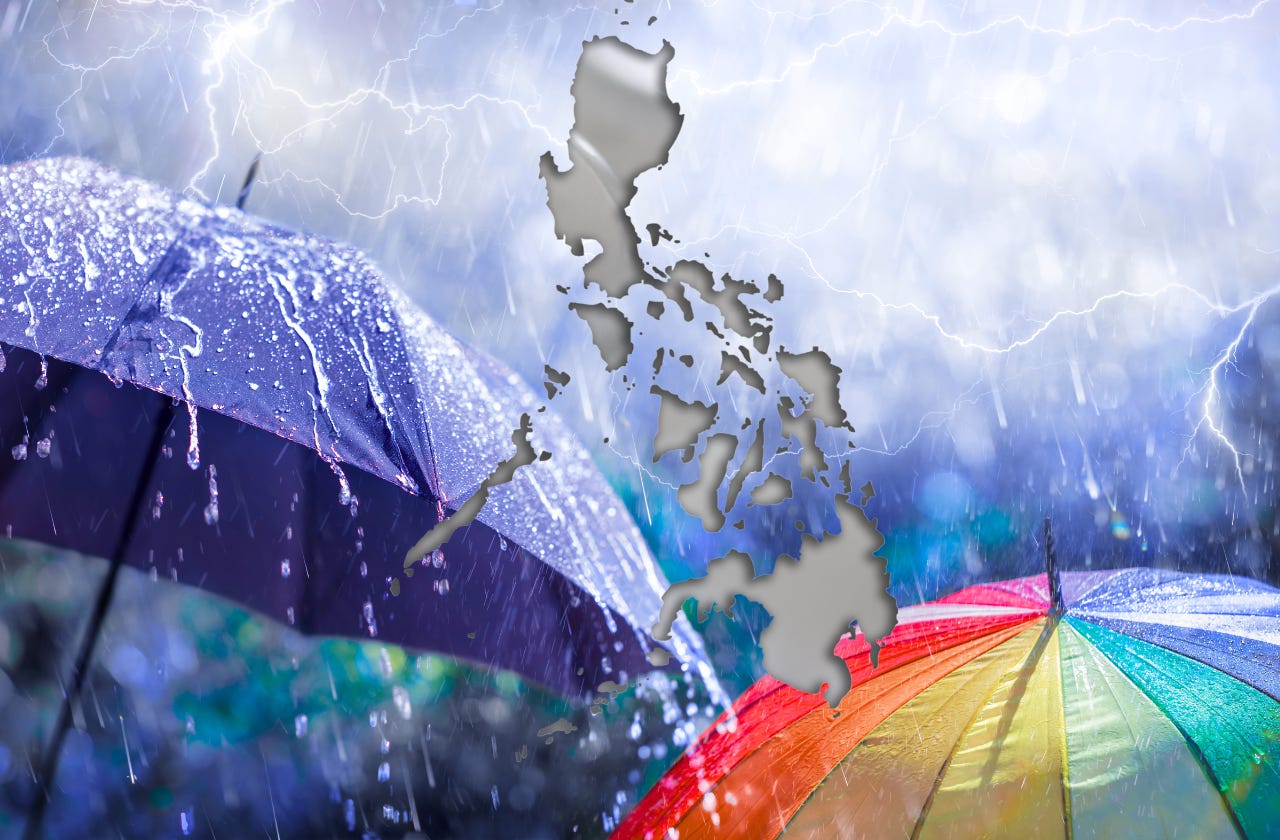
- Weather patterns – The cooler, more humid environment during the rainy season makes it easier for viruses to survive and spread.
- Indoor crowding – People spend more time indoors during wet weather, increasing close contact and reducing ventilation.
- School reopening and gatherings – The start of classes and social activities lead to higher exposure in enclosed spaces.
- Post-pandemic behaviors – Reduced mask-wearing and relaxed hygiene practices have allowed viruses to circulate more freely again.
- Low vaccination coverage – Influenza vaccination remains low in the Philippines, leaving vulnerable groups unprotected.
These factors combine to create predictable spikes in ILI cases each year, especially from July to early January, when temperatures are cooler and school activities are in full swing.
The broader impact of ILI
Though many people recover quickly from ILI, its effects ripple through society:
- Health burden – Vulnerable individuals can develop serious complications such as pneumonia or bronchitis.
- Healthcare strain – Local surges can lead to full hospital wards and shortages of basic medicines.
- Education disruption – Class suspensions, teacher absences, and missed lessons affect students’ learning continuity.
- Economic impact – Absenteeism at work due to illness, caregiving, or school closures slows productivity.
The short class suspension in Metro Manila was a reminder that even moderate increases in respiratory illnesses can affect community routines, especially in densely populated areas.
Prevention: What works

While ILI spreads easily, it can also be prevented effectively with consistent habits and proactive measures.
1. Get vaccinated.
The annual influenza vaccine remains the best protection, especially for children, the elderly, pregnant women, healthcare workers, and people with chronic illnesses. Local government units (LGUs) and private hospitals often hold vaccination drives before the flu season peaks.
2. Practice hygiene and cough etiquette.
Regular handwashing with soap and water, or using alcohol-based sanitizers, prevents virus transmission. Cover your mouth and nose when coughing or sneezing, and dispose of tissues properly.
3. Wear masks when necessary.
Wearing masks in crowded or poorly ventilated areas helps limit spread — especially when symptoms like cough or sore throat are present.
4. Stay home if unwell.
Resting and avoiding contact with others while sick prevents further transmission. Schools and workplaces are encouraged to allow sick leave or flexible arrangements.
5. Keep spaces ventilated and clean.
Opening windows, improving airflow, and disinfecting high-touch surfaces — especially in classrooms and offices — are simple yet powerful preventive actions.
6. Seek early medical care.
High-risk individuals or those with worsening symptoms should see a doctor early to prevent complications.
What schools and LGUs can do
Educational institutions and local governments play a critical role in mitigating ILI transmission. Recommended actions include:
- Regularly monitor absenteeism and report sudden spikes to local health authorities.
- Implement disinfection schedules during flu season and after any confirmed cluster of cases.
- Strengthen health protocols such as temperature checks and isolation rooms for symptomatic students.
- Promote flu vaccination through parent orientations and health campaigns.
- Ensure continuity of learning through digital or modular platforms in case of health breaks or localized suspensions.
The brief DepEd suspension showed that even a short, well-planned pause can help schools reset safety measures and allow students to recover — preventing larger outbreaks later on.
Challenges and gaps
Despite strong surveillance and communication, some challenges persist. Rural health units may still face delays in data reporting and laboratory testing.
Vaccine hesitancy remains an issue, often due to misinformation or limited access. Additionally, many families tend to self-medicate and delay seeking professional care, which increases the risk of complications and underreporting.
Improving access to affordable vaccines, strengthening community awareness, and ensuring reliable public information remain key priorities for managing ILI and other respiratory diseases.
Outlook and the bottom line
As of late 2025, health authorities have observed a seasonal rise in Influenza-like illnesses across parts of the country, consistent with expected patterns during the rainy months. The recent temporary suspension of classes in Metro Manila underscored the importance of early intervention, coordinated public health measures, and clear communication with communities.

There is no cause for alarm, but vigilance remains essential. Continued surveillance, vaccination drives, good hygiene practices, and cooperation between schools, LGUs, and health institutions will determine how effectively the country manages this year’s flu season.
Influenza-like illness may seem routine, but its impact on health, education, and daily life is significant. Through collective action — getting vaccinated, staying home when sick, and following basic hygiene — Filipinos can reduce the spread of illness and protect one another. As the recent class suspensions reminded everyone, prevention and preparedness remain the best defenses against seasonal threats like ILI.