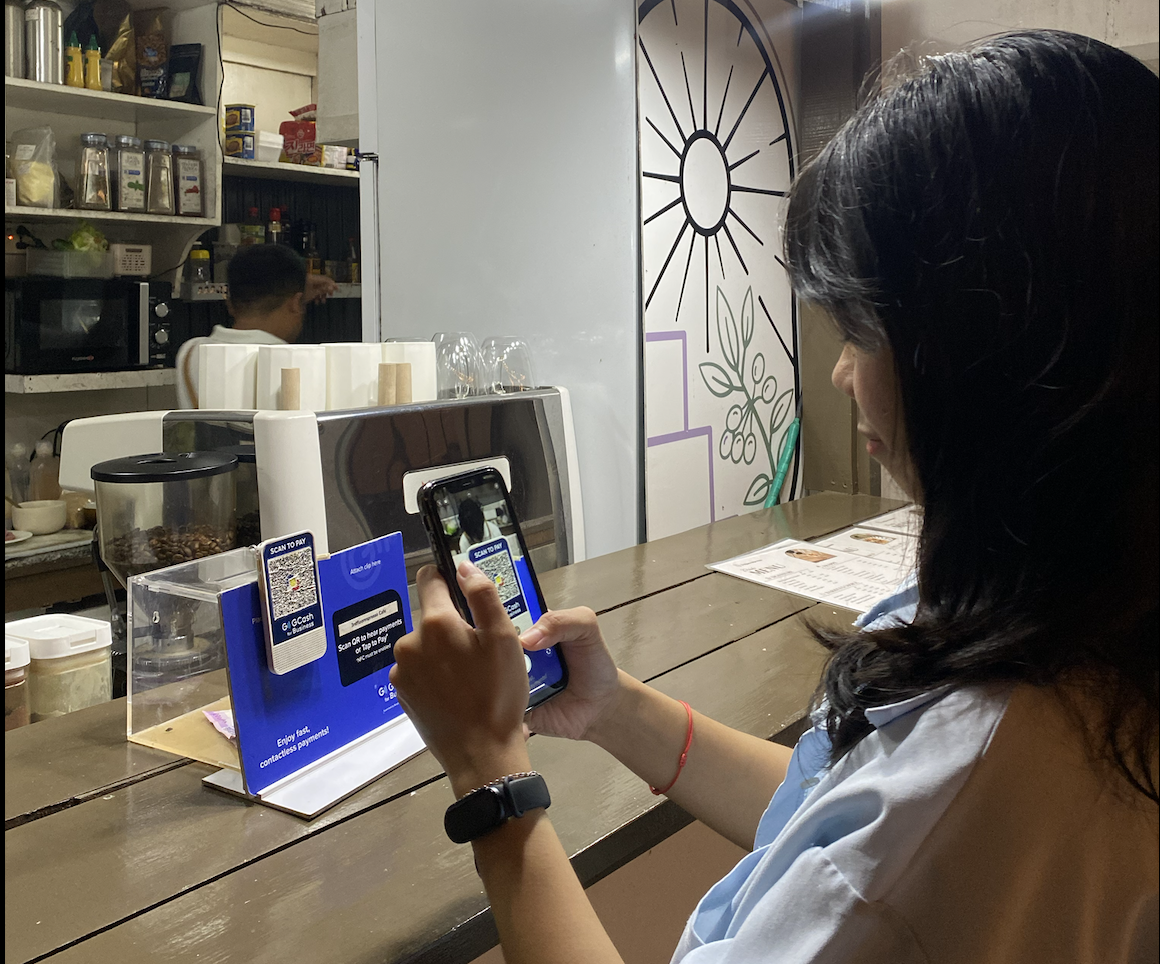
On a busy afternoon in Davao City, the hum of conversation at Habits Coffee + Cocktail Bar is punctuated not by the clink of coins or the rustle of bills, but by a clear, confident voice confirming a payment. It’s a small sound, but for the people behind the counter, it signals something bigger: fewer mistakes, faster service, and one less thing to worry about.
Across the country, from neighborhood cafés to growing food brands, small business owners are rethinking how they run their operations as digital payments become part of everyday commerce. For many of them, GCash for Business has emerged as more than just a payment option — it’s becoming an operational tool that quietly reshapes how they work.
Faster counters, fewer cash headaches
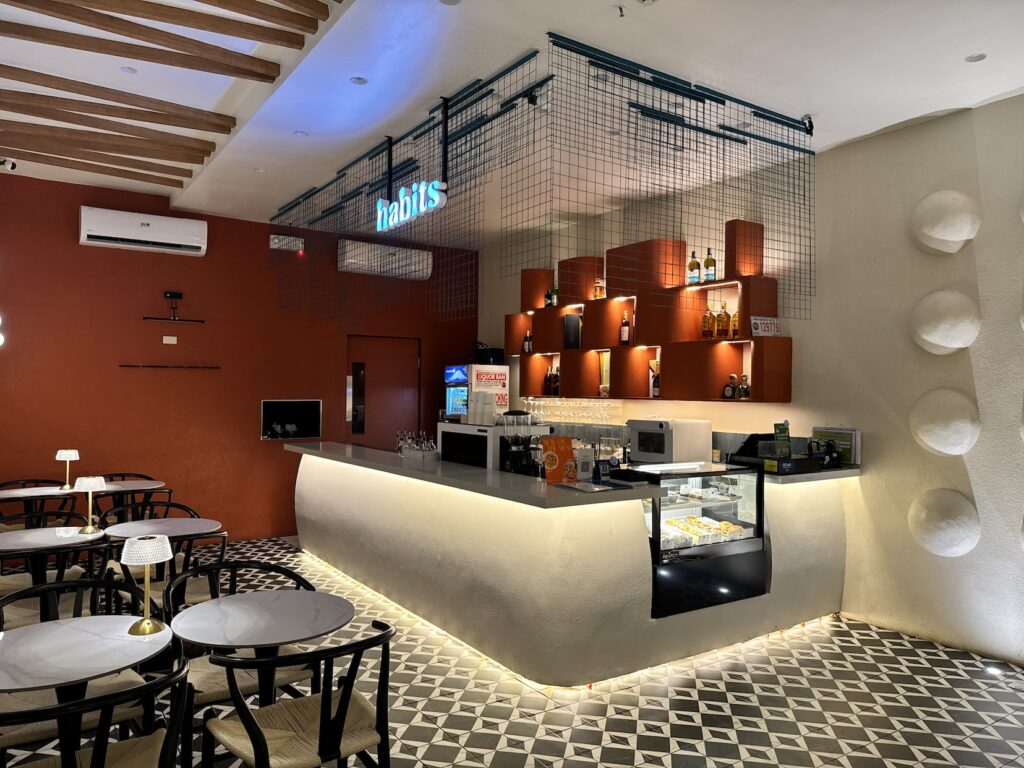
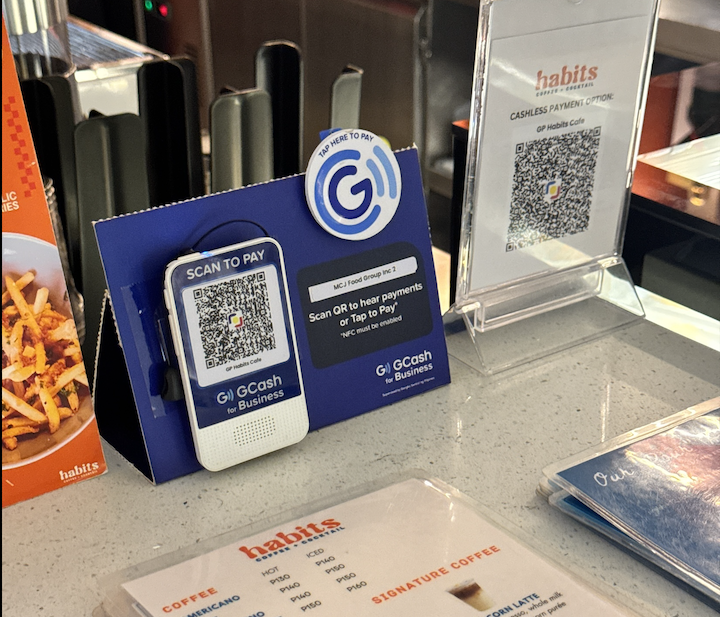
Habits Coffee + Cocktail Bar is one of Davao’s newest social spots, co-founded by Marc Gan and his partners. Like many food and beverage businesses, speed matters — especially during peak hours. Before switching to GCash SoundPay, handling cash meant double-checking payments and slowing down the line.
GCash SoundPay changes that rhythm. The portable device allows customers to scan a GCash QR code, with each successful payment confirmed instantly through an audio alert.
“The instant voice confirmation means we never miss a sale,” Gan shares. “It’s simple for our staff, and customers don’t have to ask if their payment went through.”
What seems like a small upgrade — an audible confirmation — has reduced friction at the counter and allowed the team to focus on service rather than cash handling.
Growing brands, clearer records
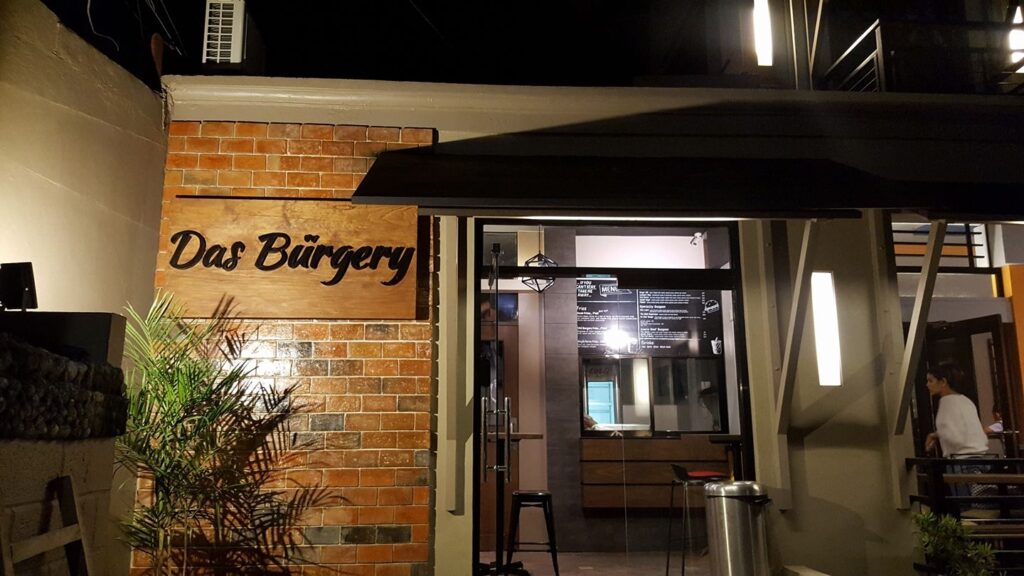
For Ched Hilado, owner of Das Burgery, the challenges were different. What began as weekend market stalls has grown into three branches across Bacolod and Dumaguete. With that growth came the complexity of tracking payments across locations.
Managing cash, Hilado says, often led to inconsistencies and errors. Deploying GCash SoundPay across all branches gave her team real-time assurance that payments were properly recorded.
“When we hear the audio confirmation, we know the money has entered our account,” she says. “It removes doubt, especially during busy hours.”
For small businesses scaling up, that certainty becomes critical—not just for daily operations, but for long-term planning.
Separating business from personal

In Butuan City, 3FE Café owner Princess Potot remembers how difficult it was to manage finances when business payments flowed into her personal GCash wallet.
“Recording sales was complicated because personal and business transactions were mixed,” she recalls.
Switching to the GCash for Business Portal changed that. The platform provides merchants with a dedicated business wallet, centralized transaction tracking, and tools to manage payments in one place. There’s no wallet limit for receiving cashless payments, and paying suppliers through GCash or bank transfer comes without transaction fees.
“It’s very friendly for new business owners,” Potot says. “It helps you manage records and finances without needing complicated systems.”
Turning phones into payment terminals
Beyond SoundPay and the business portal, GCash recently introduced PocketPay—an innovation designed specifically for MSMEs. PocketPay allows business owners to turn NFC-enabled Android smartphones into point-of-sale devices, accepting credit and debit card payments directly through their phones.
For small merchants, this removes the need for bulky terminals while opening access to card-paying customers. Inventory tracking, transaction records, and faster settlements all happen on the same device—further streamlining daily operations.
A quieter shift in how small businesses work
What ties these stories together isn’t just technology, but ease. For many MSMEs, the challenge has never been ambition—it’s been time, accuracy, and access to tools that don’t add complexity.
GCash for Business positions itself within that reality, offering payment solutions that fit into how entrepreneurs already operate, rather than forcing them to adapt to rigid systems.
As more small businesses across the Philippines embrace cashless transactions, tools like SoundPay, the GCash for Business Portal, and PocketPay point to a broader shift: one where running a business becomes less about managing friction, and more about focusing on growth, customers, and craft.
For entrepreneurs entering their own “easy era,” that shift may be the most valuable upgrade of all.