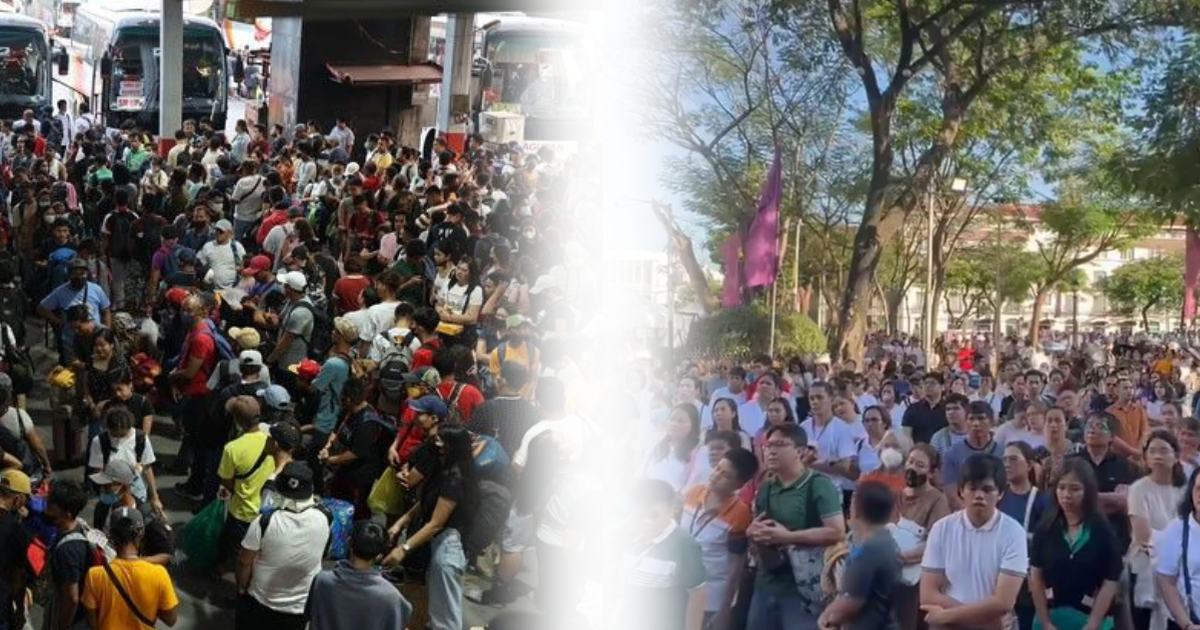
Holy Week in the Philippines is being observed in more ways than before.
For decades, the week followed a familiar rhythm. Cities slowed down, businesses closed or shortened their hours, and many families stayed home or returned to their provinces.
Religious practices such as church visits, fasting, and quiet reflection defined how the week was spent.
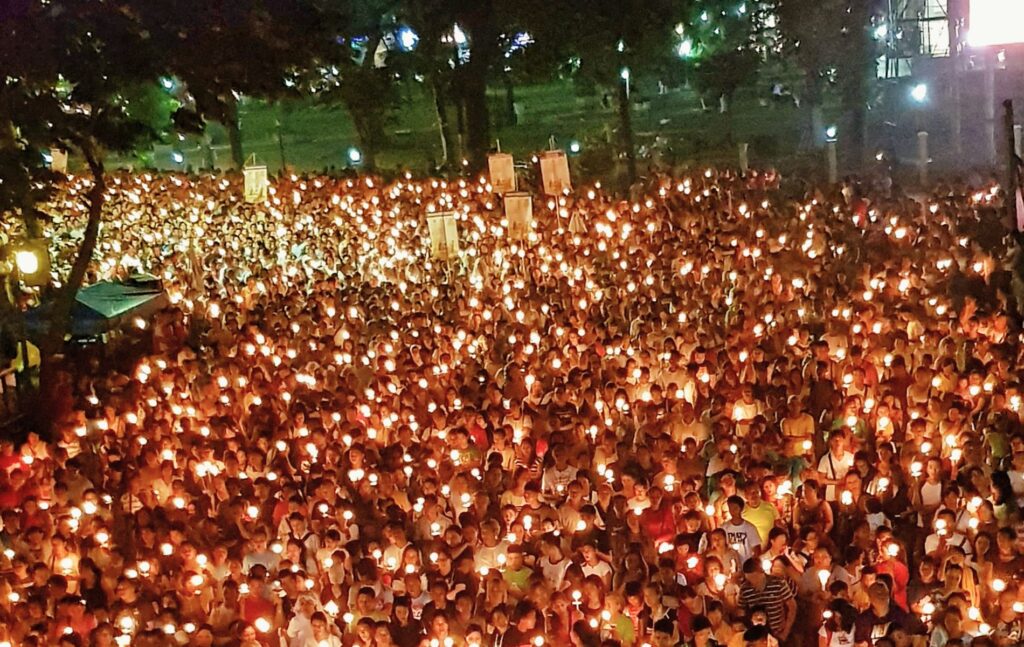
In 2026, those patterns are still present—but they now exist alongside a broader range of choices.
What was once a largely uniform way of observing Holy Week has gradually become more flexible, shaped by changing lifestyles and access to mobility.
Movement during a traditionally quiet week
The long holiday break has increasingly become an opportunity to travel.
Many Filipinos now use Holy Week to leave the city, opting for short trips to nearby provinces, beaches, or mountain destinations. The rise of budget travel, easier booking platforms, and hybrid work arrangements has made these trips more accessible, even for those planning at the last minute.

$
As a result, the week has become one of the busier periods for domestic travel.
Urban activity reflects this shift. Instead of a full shutdown, many cafés, restaurants, and retail spaces operate on adjusted schedules. While foot traffic may be lighter in business districts, other areas — particularly transport hubs and tourist destinations — see a noticeable increase in movement.
This creates a different kind of atmosphere. The city slows down, but it does not fully stop.
Tradition remains visible
Despite these changes, traditional practices continue to hold their place.
Good Friday is still widely observed with restraint. Many households maintain meatless meals, keeping to simple dishes that align with long-standing customs. Churches remain active throughout the day, with steady attendance for services and Visita Iglesia, particularly during the quieter hours of the morning and late afternoon.
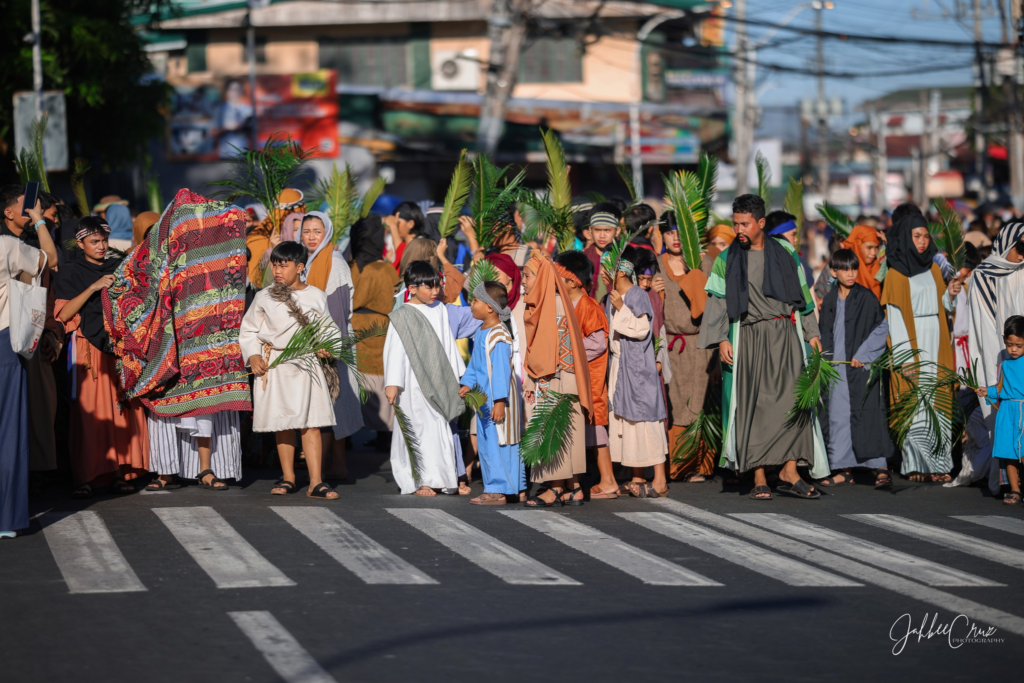
In many communities, these practices continue to structure the week.
Even among those who travel, there is often an effort to incorporate elements of observance. A visit to a local church, a pause in routine activities, or a conscious shift toward quieter moments can still be part of how the week is experienced.
These patterns suggest that while behaviors are evolving, tradition remains embedded in how Holy Week is understood.
From fixed practice to personal choice
The more noticeable shift lies in how individuals interpret the purpose of the week.
For some, Holy Week remains a strictly religious observance, grounded in tradition and guided by specific practices. For others, it has taken on a more personal meaning — serving as a time to rest, disconnect, or step away from the pace of everyday life.
This reflects broader changes in how time off is viewed.
In recent years, there has been a growing emphasis on balance, whether through travel, wellness routines, or simply taking a break from work. Holy Week, as one of the few extended holidays in the calendar, naturally becomes part of that shift.
The result is a more individualized approach to observance, where people shape the week based on their own priorities.
Where it converges
Holy Week in 2026 reflects both continuity and change.
Traditional observances continue to shape the structure of the week, but they now coexist with modern habits such as travel, flexible schedules, and constant connectivity. It is no longer defined by a single way of observing, but by a range of choices that vary from person to person.
This coexistence is not necessarily a contradiction. Instead, it shows how cultural practices adapt over time, responding to shifts in lifestyle while retaining their core significance.
In a country where daily routines are often fast-paced and demanding, Holy Week remains one of the few periods that allows for a collective pause — even if that pause takes different forms.
Whether it is spent at home, in church, on the road, or in a new place, the week continues to offer space to step back from routine.
And in that sense, its relevance remains intact—not because it looks the same as before, but because it continues to serve a purpose that people recognize, even as their ways of observing it evolve.