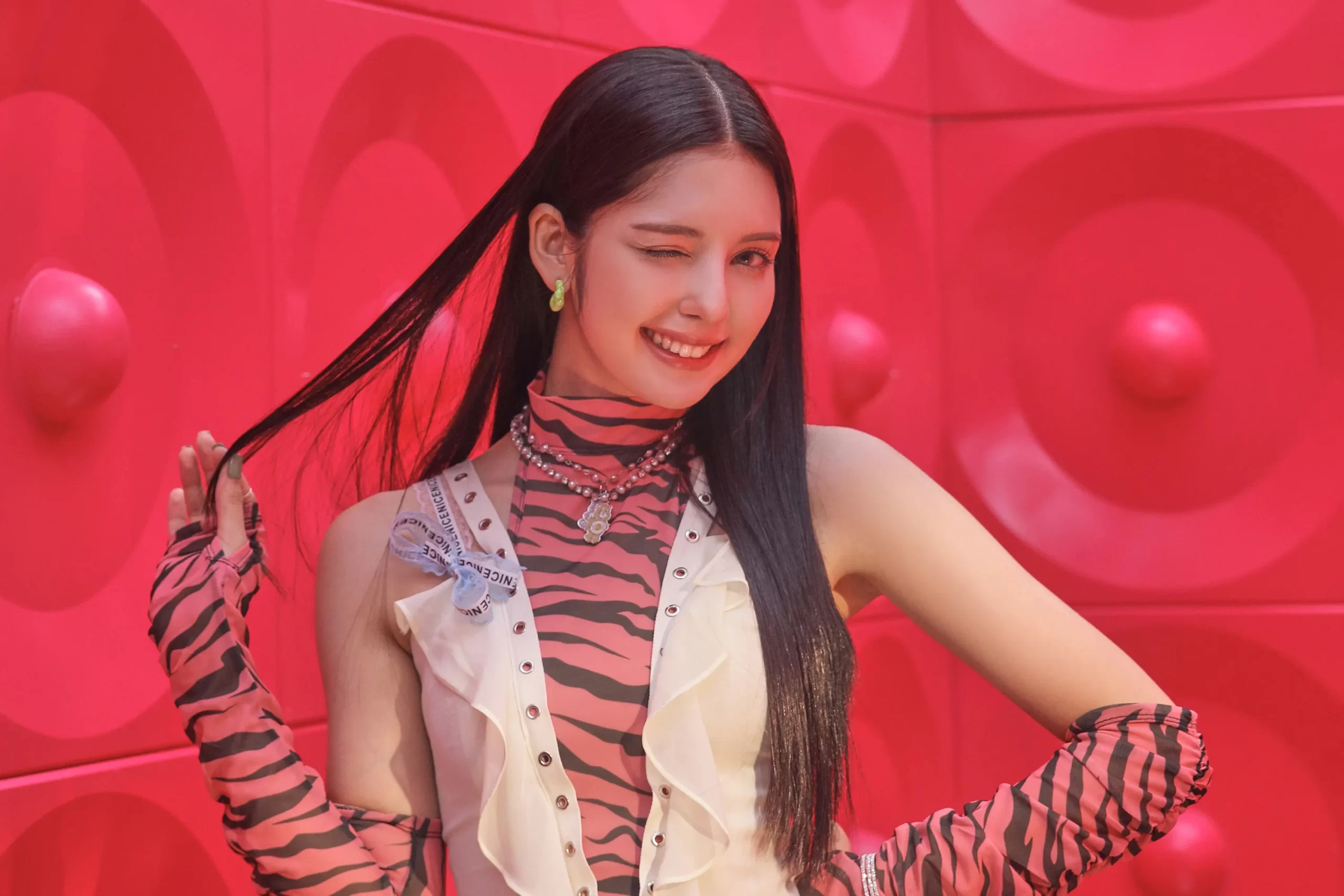
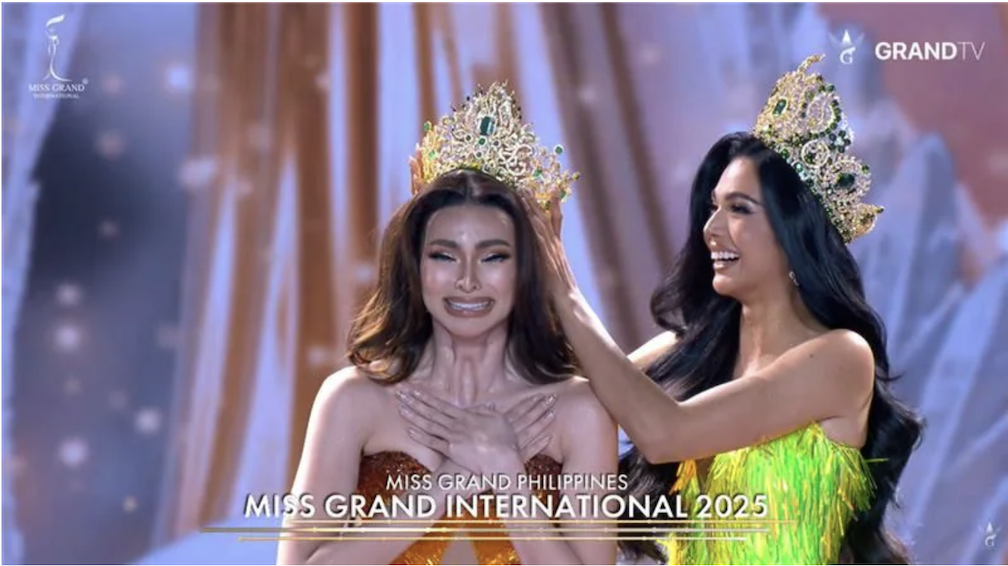
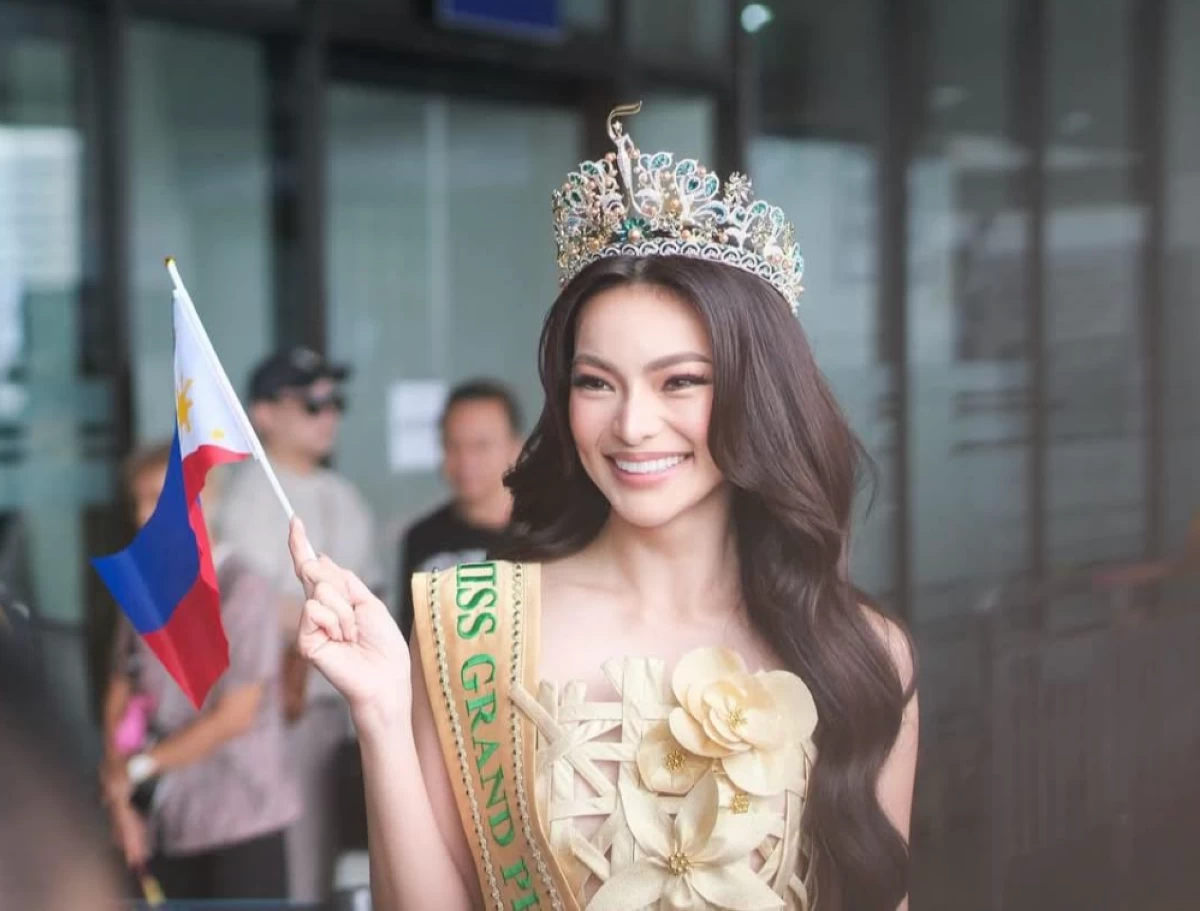
When Emma Tiglao was crowned Miss Grand International 2025 in Bangkok this October, it was easy to see it as just another victory for the Philippines in the world of beauty pageants — a familiar story of poise, patriotism, and perseverance.
But moments after the crown was placed on her head, Emma Tiglao did something few titleholders dare to do. She spoke not of abstract peace or universal love, but of something raw and immediate — corruption, and how it continues to drown her country, both metaphorically and literally.
“The Philippines doesn’t lack resources,” Tiglao said in her final answer. “It lacks integrity. Every time we lose millions to corruption, we lose thousands of lives to floods, landslides, and broken systems.”

In that moment, under the golden lights of a global stage, Emma Tiglao wasn’t just another Filipina queen. She was a journalist confronting power, a storyteller holding her country accountable, and a woman redefining what it means to wear the crown.
Emma Tiglao’s rare intersection: Journalism meets pageantry
Before she was Miss Grand International, Emma Tiglao was known to many Filipinos as a TV host and broadcast journalist, anchoring news segments that focused on current affairs and social development.
Born and raised in Pampanga, she built her career not through runway training or showbiz exposure, but through years of telling other people’s stories — stories of resilience, reform, and reality.

That background gives her advocacy unusual depth. While most pageant contestants speak in the language of diplomacy, Emma Tiglao speaks in the language of accountability. She sees pageantry not just as a platform for empowerment, but as a continuation of her work in journalism — a stage where truth-telling can reach new audiences.
In a recent interview after her win, Tiglao said she views her title as “an extension of public service.” She added, “If my words can start conversations that make people care about where their taxes go, then this crown has already served its purpose.”
Her statement stands out in a landscape where beauty queens are often expected to remain apolitical. Emma Tiglao’s victory, however, proves that the boundaries between pageantry, media, and civic engagement are evolving — that women can command both the runway and the newsroom with the same fearless voice.
Speaking truth to power: Corruption and climate
The connection Emma Tiglao made between corruption and climate disasters struck a nerve among Filipinos, especially at a time when questions are being raised over alleged irregularities in the government’s flood control projects.
Every typhoon season, the Philippines watches rivers swell, dams overflow, and streets turn into canals despite billions allocated to infrastructure and disaster mitigation. Social media fills with photos of submerged homes and stranded families, alongside headlines of “ghost projects” and missing funds.

Her remarks reframed that frustration in moral terms. “We cannot control the rain,” she said, “but we can control our response and our honesty.”
Her statement resonated not just because it was brave, but because it connected two seemingly separate crises — governance and the environment — into one painful truth: that systemic corruption is an environmental issue. Misused budgets don’t just steal money; they steal safety, stability, and trust.
A queen with a journalist’s lens
Those who have followed Emma Tiglao’s career weren’t surprised by her candor. As a reporter, she covered local governance and human-interest stories that often exposed the everyday impact of policy failures.
Colleagues describe her as someone who “always asked the hard questions.” Whether it was about disaster response, women’s rights, or rural development, Tiglao’s journalism leaned toward the uncomfortable but necessary conversations.

Now, as Miss Grand International, she brings that same energy to a global platform. Instead of using her visibility for personal branding, she’s using it for public reflection — a rare move in a world that often rewards politeness over principle.
In doing so, she joins a growing circle of modern Filipina titleholders who are using their platforms to discuss difficult topics — from mental health and gender equality to economic inequality. But Tiglao’s focus on corruption gives her advocacy a distinct edge. It’s not simply about awareness; it’s about accountability.
The timing: Why her message matters now
Tiglao’s call for integrity comes at a politically charged moment. Just weeks before her pageant win, public watchdogs and journalists began probing irregularities in national infrastructure allocations, particularly flood control programs that appeared on paper but not on the ground.
The coincidence was hard to ignore. Here was a Filipina standing on a world stage, linking corruption to climate — just as citizens back home were wading through knee-deep floods allegedly caused by the very negligence she condemned.
In that sense, her victory became more than symbolic. It became a mirror — reflecting how ordinary Filipinos often find more truth in beauty pageants than in political briefings.
As one social media user wrote, “It takes a beauty queen to say what government officials won’t.”
Beyond the glamour: Advocacy meets authenticity
Beauty pageants have long been criticized for their focus on aesthetics and spectacle. But Tiglao’s win represents a subtle revolution, the integration of substance into spectacle. She has shown that pageantry can evolve from a contest of appearances into a platform for activism.
Her message also resonates with the Philippines’ younger generation, especially those disillusioned by recurring scandals. By speaking about corruption not in bureaucratic terms but in human terms — lives lost, futures submerged — Tiglao bridges the emotional gap between civic duty and daily experience.
She has also inspired new conversations about the role of beauty queens as advocates rather than ambassadors. Many pageant organizations now emphasize social impact, but Tiglao’s approach — informed, fearless, and evidence-based — raises the bar.
It’s not advocacy for applause. It’s advocacy anchored in accountability.
The courage to confront
In many ways, Tiglao’s courage comes from her roots in journalism — a profession built on seeking truth even when it’s inconvenient. Her Miss Grand International journey embodies the idea that courage doesn’t only belong to the frontlines of war or politics; it also belongs to the stage, to the microphone, to the moment when silence would be safer but speech becomes necessary.
It’s a reminder that authentic change often begins in the most unexpected arenas — whether in a newsroom, a protest, or a pageant hall.
Her story also signals a cultural shift: that the Philippines is ready to celebrate not just beauty, but bravery; not just grace, but grit.
A win for more than one crown
Ultimately, Emma Tiglao’s triumph is not just a personal achievement or a national pride moment. It’s a convergence of media, advocacy, and modern femininity. It redefines what influence looks like in the digital age, where a single statement can ignite national reflection.
.jpg)
By connecting corruption and climate, Tiglao linked two urgent narratives that often exist in separate silos. Her win reminds us that progress doesn’t happen through titles alone, but through truth-tellers who use every platform they have. “A queen’s duty,” she said in her post-pageant interview, “isn’t just to represent — it’s to remind. To remind people of what we can be if we choose honesty over apathy.”
In a country where corruption stories dominate the headlines and floodwaters continue to rise, Tiglao’s message cuts through with rare clarity: the real crown belongs to those who dare to speak truth to power.
And perhaps that’s what makes her victory more than just a win — it’s a watershed moment, proving that even in pageantry, integrity can still take center stage.