As sustainable tourism continues to surge as a global priority, the Philippines is emerging as a beacon of ecotourism where community empowerment and environmental conservation go hand in hand.
Moving past the country’s popular tourist hubs, new ecotourism destinations like Masungi Georeserve in Rizal and Danjugan Island in Negros Occidental are setting the standard for responsible, low-impact tourism that protects natural habitats, uplifts local communities, and offers travelers authentic nature experiences.
Masungi Georeserve: Nature’s restoration haven in Rizal

Located just over an hour and a half from Metro Manila, Masungi Georeserve is a compelling success story in ecological restoration and sustainable tourism. This 2,700-hectare conservation area is tucked into the montane rainforests of Rizal, featuring rugged limestone karst formations, hanging bridges, caves, and a rich biodiversity, including over 400 species of flora and fauna.
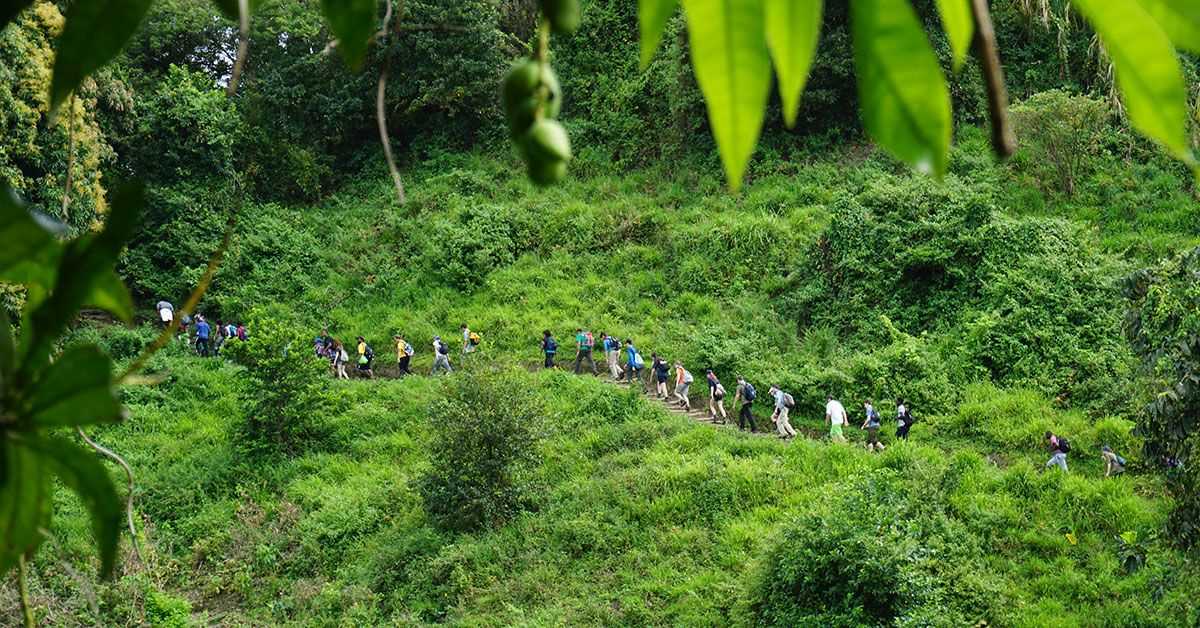
Once heavily damaged by illegal logging and quarrying, Masungi has been revitalized over the decades through community-led restoration and reforestation projects. Visitors participate in guided eco-tours such as the Discovery Trail — an immersive 3-4 hour trek that educates hikers on the geology, biodiversity, and conservation efforts underway — and the Legacy Trail, which allows active involvement in tree planting and habitat restoration.
The georeserve also offers a unique picnic experience amidst native plants in a rustic rock garden setting, promoting time spent mindful of nature’s rhythms.
Masungi embodies a sustainable tourism model that limits visitor numbers to minimize ecological footprint while generating funds for continuous environmental protection and community support. Its forests act as vital carbon sinks, and its ecosystems serve as sanctuaries for endemic species like the Northern Luzon giant cloud rat and Philippine serpent eagle. The initiative reflects a powerful partnership between local communities, government, NGOs, and the private sectors, all committed to long-term stewardship.
Danjugan Island: A sanctuary for life and learning

Off the coast of Negros Occidental lies Danjugan Island, a 43-hectare wildlife and marine sanctuary managed by the Philippine Reef and Rainforest Conservation Foundation, Inc. (PRRCFI).
Once threatened by overfishing and ecological degradation, Danjugan is now a flourishing example of community-centered conservation, preserving seven diverse ecosystems, including mangroves, coral reefs, limestone forests, and seagrass beds that sustain rare wildlife such as nesting sea turtles and white-bellied sea eagles.
Tourism here is low-volume, low-impact, and education-focused, with less than 10% of the island developed for human use. Visitors enjoy guided snorkeling, kayaking, birdwatching, and trekking tours designed to deepen appreciation for Danjugan’s rich biodiversity and foster environmental responsibility. Proceeds support conservation programs, local livelihoods in Barangay Bulata, and scholarships for youth studies in fisheries and forestry.
Danjugan also serves as a nature classroom, hosting camps that engage visitors in hands-on learning about marine and terrestrial ecosystems. Its careful balance of protection and public access highlights how nature tourism can become a sustainable source of income for communities without compromising habitat integrity.
A new paradigm for Philippine tourism

Masungi Georeserve and Danjugan Island represent more than just places to visit; they symbolize a new model of tourism in the Philippines that prioritizes ecological health and community welfare over mass commercial tourism. These destinations are part of a growing movement aligning with government efforts such as protected area ecotourism management plans and sustainable local development programs.
By focusing on environmental education, conservation leadership, and community benefits, these ecotourism spots cultivate meaningful human-nature connections and create viable livelihoods rooted in protecting the country’s biodiversity. They offer travelers unique experiences deeply connected to place, culture, and sustainability — pioneering a path that other emerging destinations aspire to follow.
Why choose ecotourism in the Philippines?
- Authentic nature immersion: Explore pristine landscapes, diverse wildlife, and geological marvels away from crowded tourist sites.
- Support community empowerment: Your visit directly funds conservation projects and helps build sustainable incomes for local people.
- Learn and engage: Participate in conservation activities and educational programs that raise awareness and stewardship.
- Sustain ecological balance: Benefit from thoughtfully designed tourism strategies that protect delicate ecosystems from overuse.
The ecotourism wave sweeping through the Philippines offers a hopeful alternative to conventional mass tourism, putting people and the planet first.
Places like Masungi Georeserve and Danjugan Island are not only preserving extraordinary natural heritage but also creating resilient communities where environmental responsibility is at the core of travel. For travelers seeking meaningful, transformative experiences, the Philippines’ emerging ecotourism destinations are new “places” to cherish and protect.