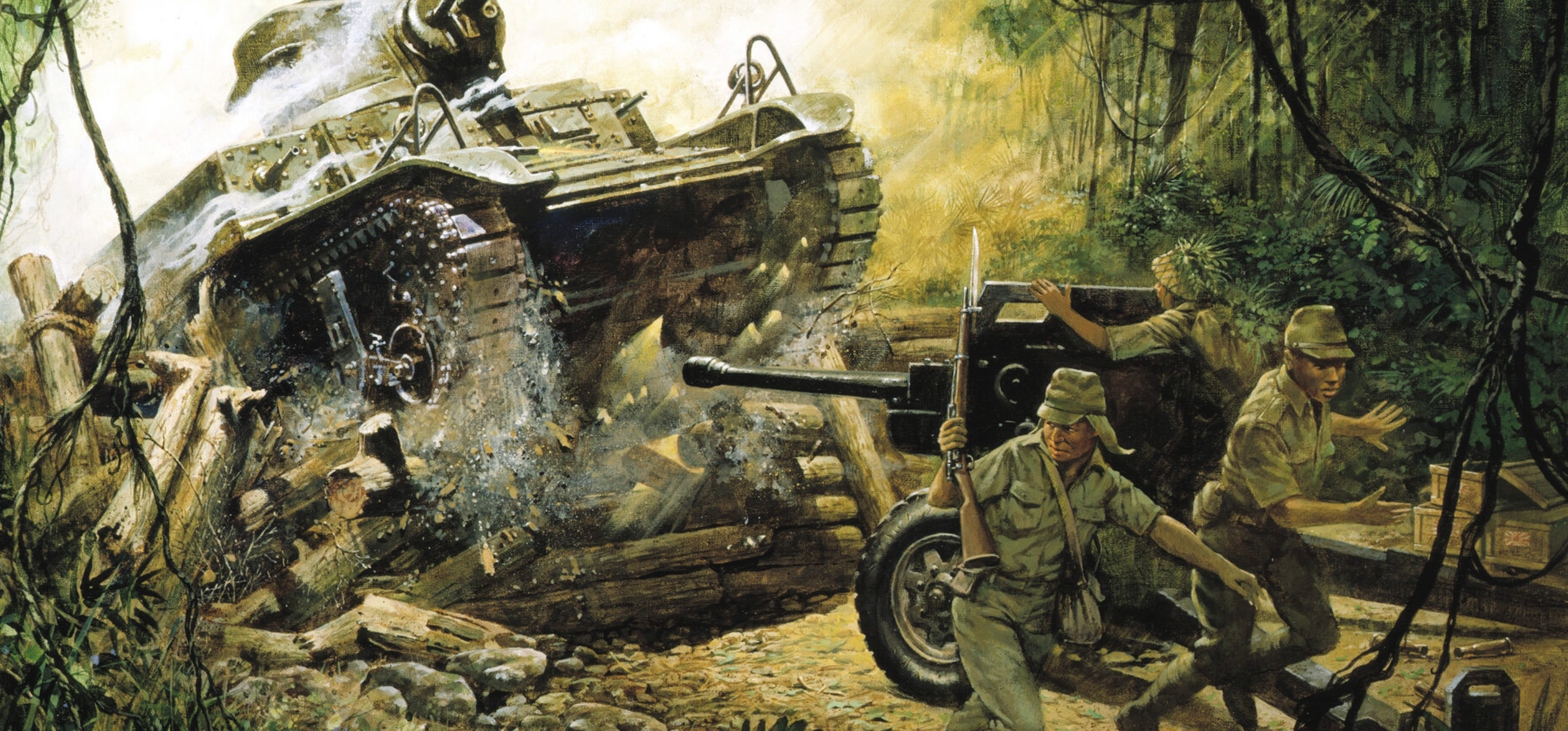
The sun beat down on the dusty road, but the spirits of over a thousand Filipino marchers who joined this year’s “Freedom March,” a commemorative 160-kilometer trek tracing the historic route of the Bataan Death March, burned brighter.
A wave of humanity, nearly a thousand strong, surged forward, their footsteps a rhythmic pulse against the quiet hum of history. This wasn’t just a walk; the ‘freedom march’ was a pilgrimage to honor the enduring legacy of World War II heroes who bravely endured Japanese atrocities and the armed conflict in Bataan.
Resuming its annual tradition in 2025, the Freedom March, organized by the Philippine Veterans Bank, once again became a powerful testament to the enduring spirit of the Filipino people. From weathered veterans to wide-eyed students, from uniformed military personnel to families holding hands, the march united generations in a shared act of remembrance.
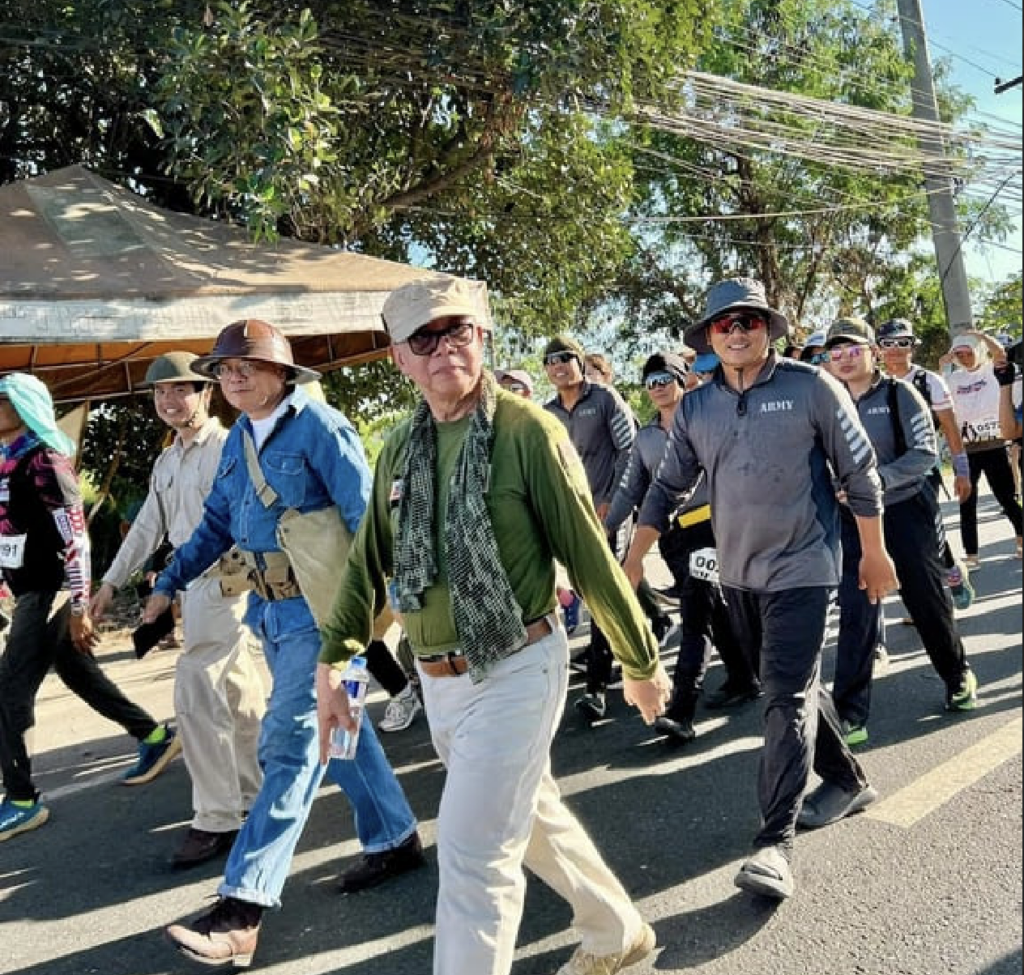
Civilians, military personnel, government officials, students, and families taking part in the event
The air thrummed with a palpable sense of reverence. Each step taken was a nod to the sacrifices made decades ago, a tangible connection to the brave souls who endured unimaginable hardships. It was a journey through landscapes etched with history, where echoes of battles past still lingered in the breeze.
The march wasn’t merely a physical feat; it was an emotional odyssey. Descendants of WWII veterans walked with pride, their hearts swelling with the stories passed down through generations. They carried not just backpacks and water bottles, but the weight of their ancestors’ courage, the resilience that defined a nation.
“My grandfather fought in Bataan,” shared Maria, a college student participating in the march. “Walking this path, feeling the heat, the exhaustion… it gives me a tiny glimpse of what he went through. It makes their sacrifices so much more real.”
Freedom March not a solitary endeavor
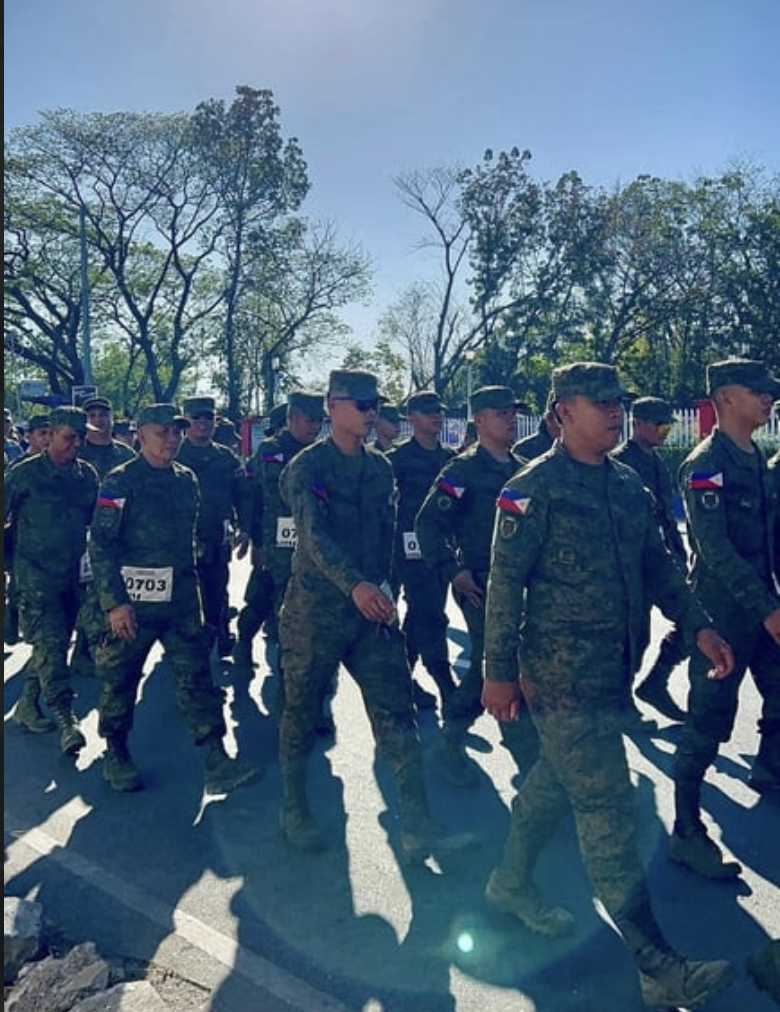
This year’s Freedom March wasn’t a solitary endeavor. It was a communal experience, a shared act of remembrance.
Strangers became companions, bound by a common purpose. Conversations flowed freely, stories of valor and sacrifice exchanged, forging bonds that transcended age and background.
Along the route, local communities welcomed the marchers with open arms, offering refreshments, encouragement, and heartfelt gratitude. Children lined the streets, waving flags and cheering, their innocent faces reflecting the enduring respect for the nation’s heroes.
Government officials and military personnel also joined the march, lending their support and reaffirming the nation’s commitment to honoring its veterans. Their presence underscored the importance of preserving the memory of the war, ensuring that future generations would never forget the price of freedom.
The 160-kilometer journey was a physical and emotional challenge, but the spirit of camaraderie kept the marchers going. As the sun began to set each day, the weary travelers found solace in shared meals and stories, their voices blending into a chorus of remembrance.
More than just a commemoration
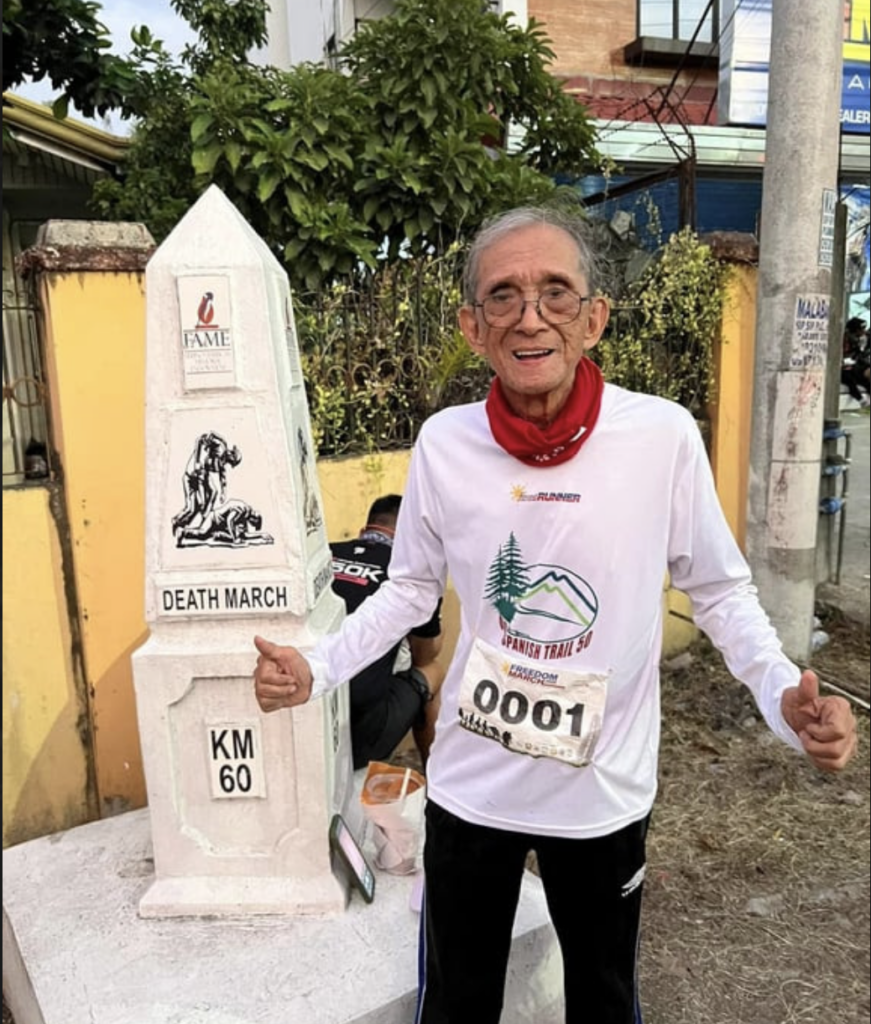
The Freedom March was more than just a commemoration; it was a living history lesson, a powerful reminder of the resilience and courage that shaped the nation.
It was a testament to the enduring legacy of the WWII heroes, their sacrifices forever etched in the hearts of the Filipino people.
As the final kilometers unfolded, a sense of accomplishment and profound respect filled the air. The marchers, their bodies weary but their spirits soaring, reached their destination, their footsteps echoing the valor of those who had walked before them.
The Freedom March, a powerful symbol of remembrance, had once again breathed life into the pages of history. It was a journey not just through distance, but through time, a testament to the enduring spirit of the Filipino people, a living tribute to the heroes who secured their freedom.