
Filipino motorists are getting some relief.
The Department of Transportation (DOTr) has ordered the Land Transportation Office (LTO) to suspend the confiscation of drivers’ licenses and extend the deadline for settling traffic violations, following public criticism over what motorists described as an unfair and confusing enforcement process.
In a memorandum circular, the DOTr directed the LTO to immediately halt license confiscation while it reviews existing guidelines and aligns them with other transport and traffic policies. Transportation Secretary Giovanni Lopez also ordered a comprehensive review of related issuances to ensure consistency across agencies.
Under the revised rules, motorists now have 15 working days, instead of 15 calendar days, to settle traffic apprehension cases — excluding weekends and holidays.
“This is to afford both the government and the public sufficient time to resolve cases,” the DOTr said. Lopez clarified that holidays and long weekends will no longer be counted toward the settlement period.
The move comes as traffic enforcement in Metro Manila increasingly shifts toward digital systems, particularly the No Contact Apprehension Policy (NCAP), which relies on CCTV cameras and AI-powered monitoring instead of on-the-spot apprehensions.
A controversy that sparked wider scrutiny
While the DOTr did not cite a specific incident behind the directive, the timing follows public backlash after a viral post by vlogger James Deakin, who questioned LTO procedures after his son received a citation for reckless driving during the holiday season.
Deakin said his family attempted to settle the violation promptly but was asked to present the vehicle’s official receipt and certificate of registration (OR/CR) — documents unrelated to the violation and difficult to obtain since the car was not theirs.
When they finally secured the paperwork, they were told the settlement period had already lapsed, with holidays counted toward the deadline despite LTO offices being closed.
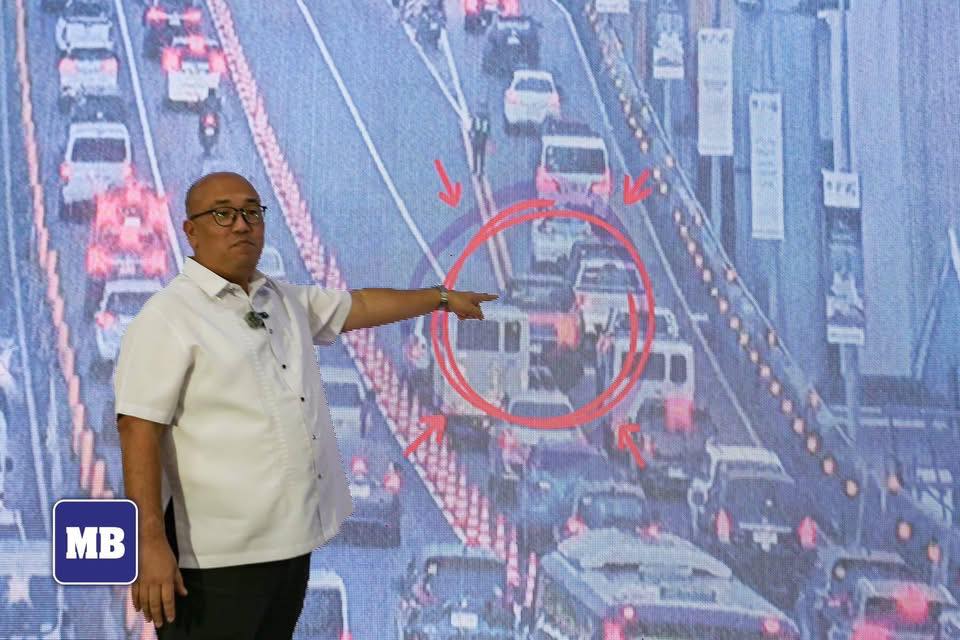
IMAGE CREDIT: Manila Bulletin
“The government gives you 15 days. Then closes for more than half of them. Demands documents that have nothing to do with the violation. Won’t accept digital copies in 2026. Then penalizes you for being late,” Deakin said.
While the LTO maintained that the traffic citation itself was valid, Deakin stressed that he was questioning the process, not the violation. In a subsequent update, he said the Anti-Red Tape Authority had prompted the LTO to acknowledge that OR/CR documents are not required to settle traffic violations.
NCAP: Digital enforcement, real consequences
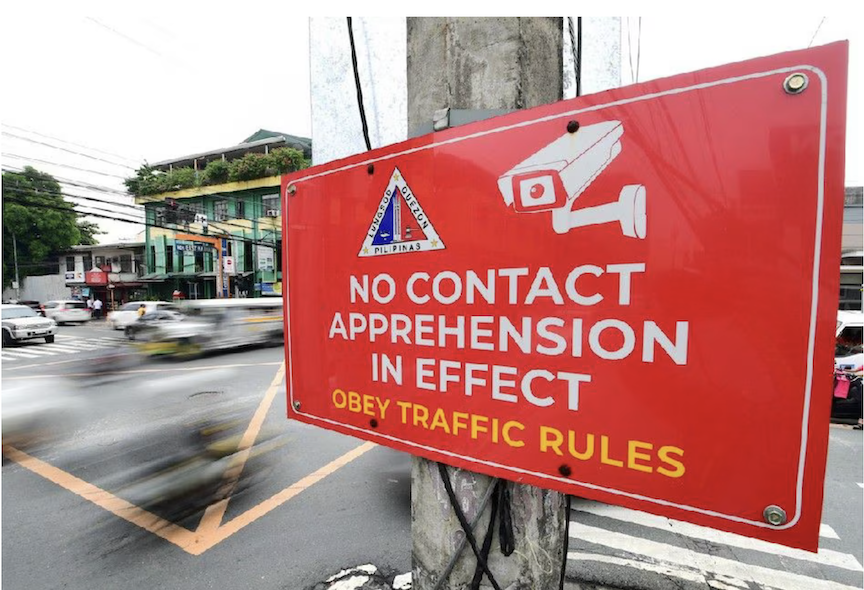
The controversy unfolded as NCAP continues its rollout across major Metro Manila roads.
Suspended in 2022, the policy was resumed on May 26, 2025, with updated guidelines aimed at improving transparency and accountability.
Under NCAP, traffic violations are captured by CCTV cameras and AI systems, then manually reviewed by MMDA personnel before a Notice of Violation (NOV) is issued. The NOV is sent by mail to the registered vehicle owner within five to seven days.
Motorists must either pay the fine or file an appeal within 10 working days from receipt.
Failure to act may result in additional penalties, including the vehicle being placed on the LTO alarm list — potentially blocking registration renewal.
NCAP is currently enforced on select circumferential and radial roads, including EDSA, C5, Commonwealth Avenue, Roxas Boulevard, Ortigas Avenue, and Quezon Avenue, among others.
Drivers can check for violations through the MMDA’s “May Huli Ka 2.0” portal by entering their plate number and motor vehicle file number. Payment options range from digital platforms such as GCash, Maya, and Landbank’s Link.BizPortal to in-person channels like Bayad Centers and the MMDA head office.
A system under adjustment
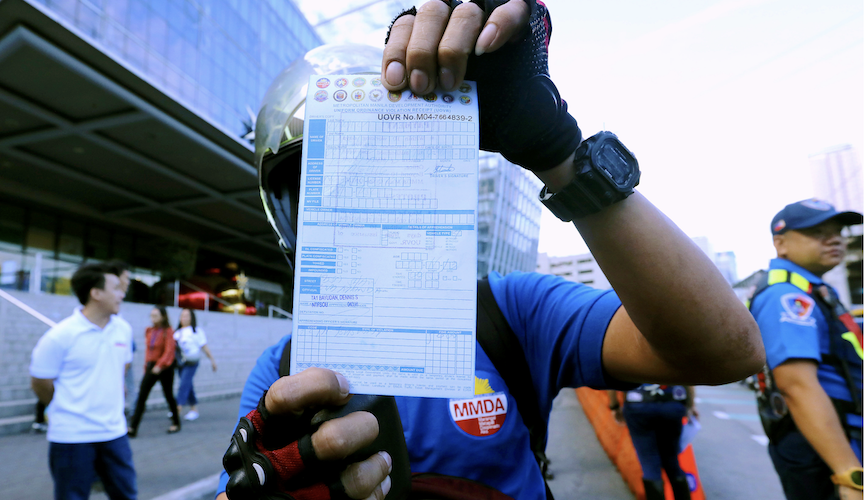
Taken together, the DOTr’s directive and NCAP’s expanded use reflect a broader recalibration of traffic enforcement — one that increasingly relies on digital systems but is still grappling with procedural fairness.
For motorists, the message is twofold: enforcement is becoming more automated and harder to ignore, but agencies are also under pressure to make processes clearer, more consistent, and more humane.
As the government reviews its rules, the challenge now is ensuring that technology-driven enforcement does not outpace the safeguards meant to protect the public it serves.