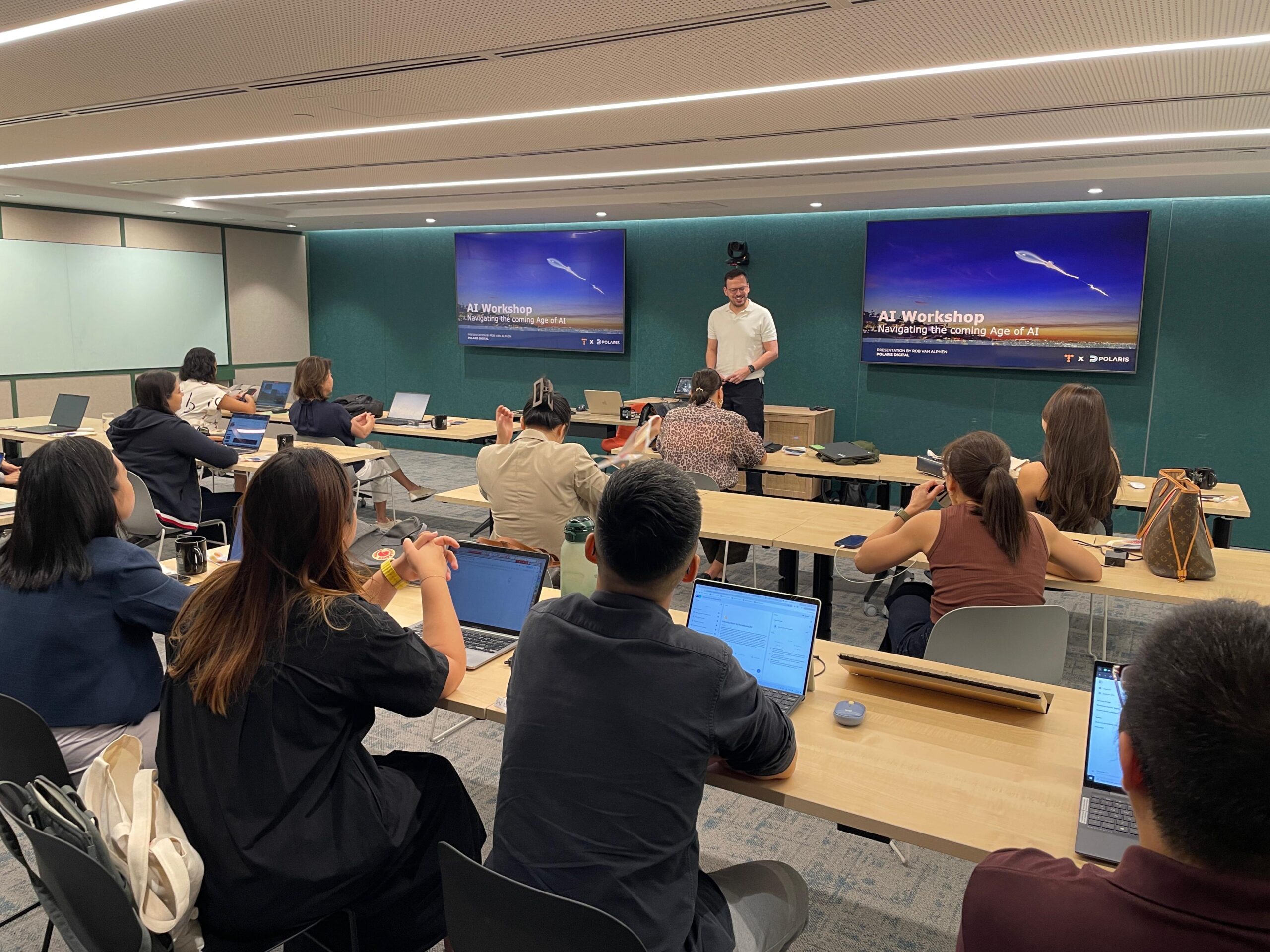
At a recent workshop hosted by the AI Centre of Excellence (ACE), business leaders and marketing professionals gathered to confront a question that’s been hanging over the industry: Are Philippine businesses ready for artificial intelligence?
ACE CEO Ana Pista, APR, kicked off the session by pointing to findings from a global report that underscored both the promise and the pitfalls of AI adoption.
She warned that while companies are eager to explore new tools, two barriers consistently hold them back: insufficient data and a lack of infrastructure to integrate AI into daily operations. Even more pressing, she added, is a widening skills gap, with many professionals still struggling to transform raw data into meaningful business insights.
Technology isn’t the only hurdle.
Ana Pista also flagged growing unease around ethics and accountability, as more organizations rely on AI to handle customer information. Questions of privacy, algorithmic bias, and transparency, she noted, cannot be treated as afterthoughts. “Upskilling must go hand in hand with building ethical frameworks,” she said, stressing that trust would be as vital as innovation in the years ahead.

Ana Pista (front row, 4th from left) and Rob van Alphen (front row, right) together with workshop partners and participants
From there, the discussion shifted from challenges to solutions.
Attendees were introduced to Rob van Alphen, founder and managing director of Polaris, an AI consultancy specializing in marketing and communications. Drawing on his decades of experience leading digital and creative teams across Europe, the Middle East, and Asia, van Alphen unpacked how AI is already reshaping the industry.
Global expert Rob van Alphen on why AI needs human judgment

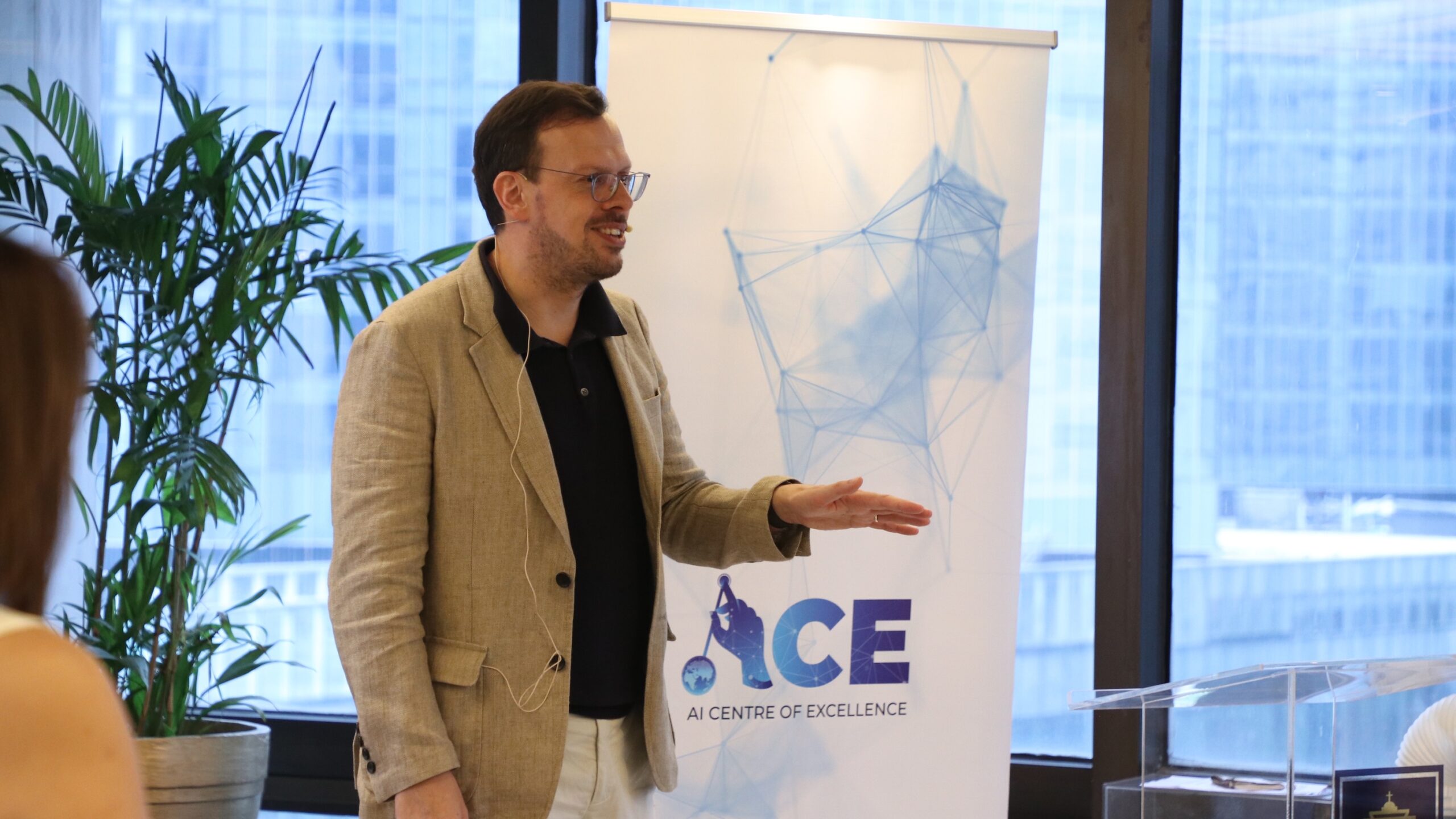
Rob van Alphen, founder and managing director of AI consultancy firm Polaris
Artificial intelligence is reshaping marketing and communications at breakneck speed, with new tools and updates appearing almost weekly. But a recent ACE workshop on “AI Hacks For Smarter Marketing Campaigns” revealed that adoption is far from seamless.
Global studies point to three persistent barriers: insufficient data, weak infrastructure, and a shortage of skilled professionals. Layered onto these challenges are growing ethical concerns around privacy, misinformation, and accountability.
Rob van Alphen’s message to participants was clear: “AI can be a powerful partner, but only if used wisely.”
From analytics to creativity
Classical AI has long powered analytics and recommendation engines, crunching numbers at speeds no human can match. But van Alphen noted that generative AI has opened a new frontier: creativity itself.
“Generative AI is not just analyzing what exists — it’s producing something new,” he said. “It can draft press releases, brainstorm campaign ideas, design visuals, even mimic an executive’s tone of voice. The only limitation is your creativity,” he added.
A live poll highlighted the uneven pace of adoption: nearly a quarter of attendees reported using generative AI daily, while one-fifth admitted they rarely touched it. Most applications clustered around research, ideation, and content creation — areas where AI has already begun easing workloads.
The danger of “hallucinations”

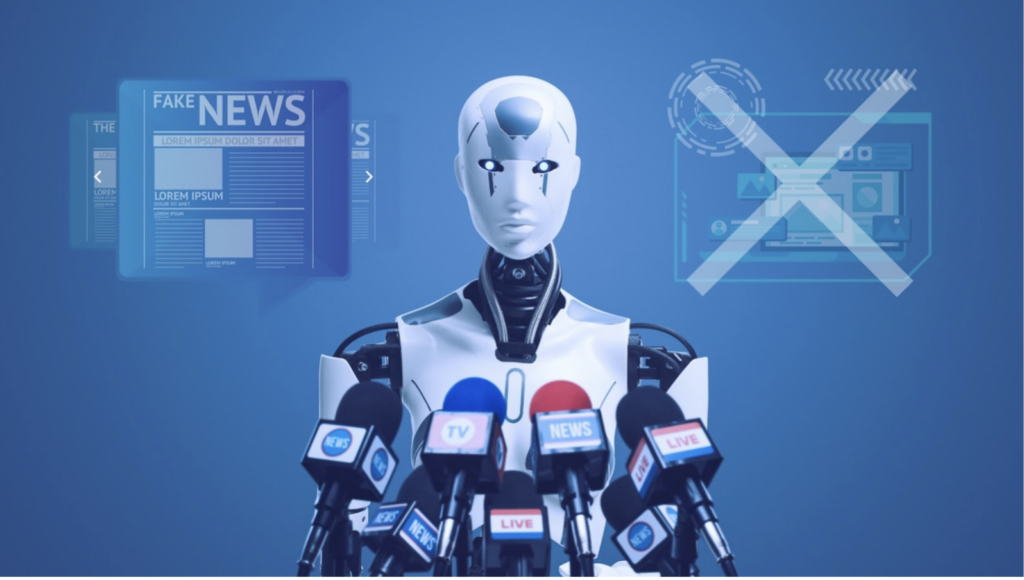
Rob van Alphen also raised a red flag. One of AI’s most troubling flaws, he warned, is hallucination — when systems confidently invent facts, figures, or sources. “AI will give you an answer—even when it’s wrong. And it will sound convincing,” he said.
In marketing and PR, where trust is currency, the risks are profound. A fabricated quote in a press release or an invented statistic in a pitch could erode credibility overnight. For van Alphen, the lesson is simple: “AI is a co-pilot, not a captain. Every output must be verified and aligned with brand and ethical standards.”
Prompting as a core skill
To minimize risks and maximize value, van Alphen urged marketers to master prompt engineering.
Clear, structured prompts — defining roles, tasks, tone, and examples — sharpen AI outputs and reduce errors. “Prompting is not typing one line,” he explained. “It’s about giving AI the boundaries it needs to perform.”
Generative AI’s role in the future of communications
While efficiency gains dominate the current conversation, Rob van Alphen believes the bigger opportunity lies in reinvention. He argued that AI could reshape workflows, spark new business models, and deliver the once-impossible promise of being “good, fast, and cheap” all at once.
He closed with a challenge: “Today is the slowest AI will ever be. The question is — are you keeping up?”