On September 1, while most of the world is just saying goodbye to summer, the Philippines flips the switch to full-on Christmas mode.
Suddenly, Jose Mari Chan’s “Christmas in Our Hearts” starts blasting across malls, jeepneys, and TikTok edits. Department stores roll out glittering trees and fake snow. Memes about the “Ber Months” (September, October, November, December) flood social media timelines.
For Filipinos, the world’s longest Christmas season has begun — spanning more than four months, from September all the way to January.
But how did the Philippines earn this title? And why do Filipinos hold on so dearly to the tradition of celebrating Christmas this early?
The roots of the world’s longest Christmas in PH
Christmas in the Philippines is deeply intertwined with the country’s Catholic faith — around 80% of the population identifies as Roman Catholic. Advent, traditionally starting in late November, was extended by local culture into an unofficial countdown that begins as soon as September arrives. This extension, combined with diaspora nostalgia, has cemented the Philippines as home to the world’s longest Christmas celebration.

This extension makes sense in a society where family bonds, religious rituals, and community gatherings are central to life. Overseas Filipino Workers (OFWs) also play a big role: with millions living abroad, early celebrations help bridge homesickness and create a sense of anticipation for reunions during December.
For many families, the long countdown builds excitement toward Noche Buena and Simbang Gabi, traditions that symbolize togetherness, food, and faith.
Jose Mari Chan and the meme-ification of Christmas
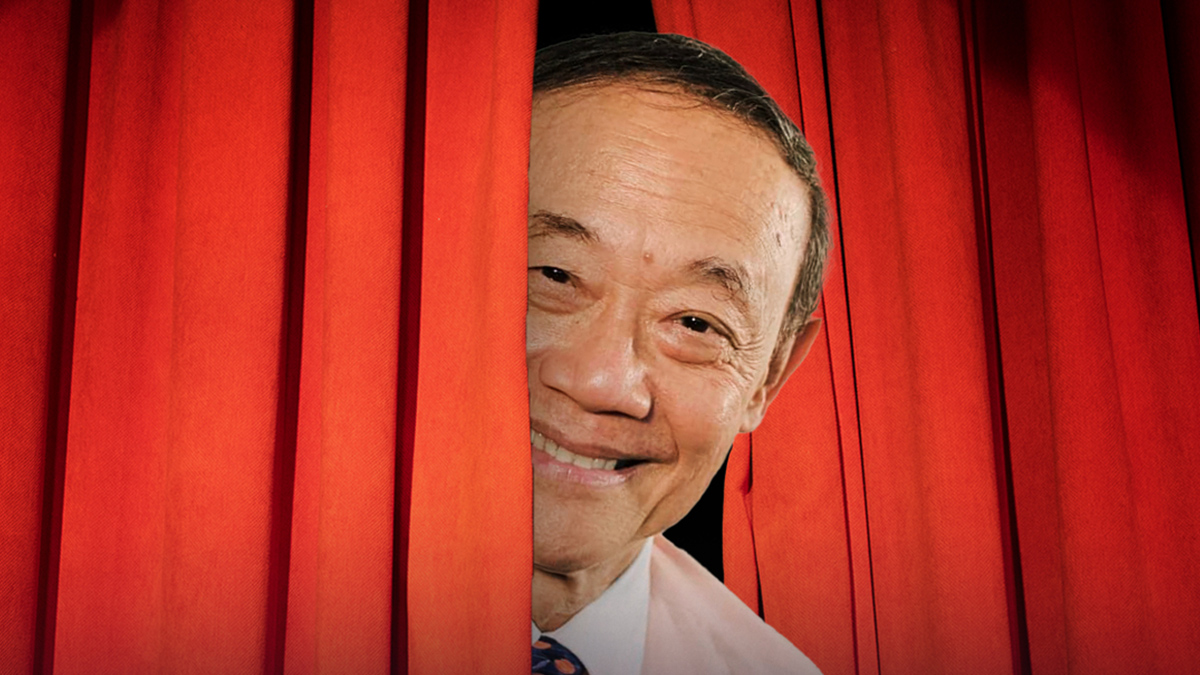
Ask any Filipino: September 1 is “Jose Mari Chan Day.” The legendary OPM balladeer has become the unofficial face of the country’s Christmas season, thanks to his 1990 hit “Christmas in Our Hearts.”

In the last decade, social media turned him into a beloved meme. As soon as the clock strikes midnight on September 1, images of Jose Mari Chan peeking through doors or waving from calendars flood timelines, signaling that Christmas has officially begun. On TikTok, creators remix his songs into comedic skits, while brands cleverly use his image to promote early holiday campaigns.
This meme-driven culture has only amplified the long Christmas tradition, making it feel more relevant—and fun—for Gen Z and millennials who thrive on viral humor.
September: Start of the retail rush and economic boost
Beyond culture, there’s an economic reason for the early start. Retailers and businesses maximize the extended season through early sales and themed promotions. By September, malls already launch “pre-Christmas” sales, and coffee shops roll out peppermint lattes and holiday pastries.

For many businesses, the long Christmas period accounts for a huge chunk of annual revenue. Shoppers stretch out their holiday budgets, OFW remittances spike toward December, and malls remain packed with both early-bird buyers and last-minute rushers.
Even online shopping platforms have adapted — major e-commerce players like Shopee and Lazada have synchronized their “ber month” mega sales with this cultural quirk, effectively riding the wave of anticipation.
A season of hope amid hardships
There’s also a deeper, emotional reason behind the Philippines’ love for an extended Christmas. The country faces frequent typhoons, economic struggles, and political instability. For many, Christmas offers a sense of relief, hope, and joy amid challenges.
The longer the season, the longer Filipinos can hold onto that spirit of optimism. Decorations in malls and neighborhoods become visual reminders of resilience. Christmas songs on jeepneys bring cheer even to traffic-weary commuters.
For families separated by migration or work, the season symbolizes eventual reunions. In this sense, stretching Christmas to four months is less about extravagance and more about collective healing.
How the world sees it
Globally, the Philippines’ four-month Christmas is often a point of fascination. In most Western countries, holiday cheer begins only after Thanksgiving (late November) or at best in early December.
Meanwhile, in the Philippines, by the time other nations are putting up trees, Filipinos already have three months of Christmas playlists behind them.
International media frequently highlight this cultural quirk, framing it as a mix of humor and admiration. For outsiders, it may seem excessive—but for Filipinos, it’s a natural extension of values centered on family, joy, and endurance.
The modern Filipino Christmas
Today, the Filipino Christmas season is a mix of tradition and modernity. Yes, Simbang Gabi and Noche Buena remain central. But alongside them are TikTok dances to holiday songs, Starbucks sticker-collecting frenzies, aesthetic Instagram posts of parols, and even online “Secret Santa” exchanges across continents.

The season has grown more digital, more global, but still uniquely Filipino at its core—family, food, and faith.
Why four months matter
To outsiders, it might look like overkill. But for Filipinos, the world’s longest Christmas is about more than consumerism or memes. It’s about holding onto hope, creating joy despite hardship, and staying connected across distances.
As Jose Mari Chan’s voice drifts once again through speakers this September, it’s not just a song — it’s a reminder that in the Philippines, Christmas isn’t just a day or a month. It’s a season of resilience, humor, and love that Filipinos choose to celebrate as long as possible.
Because in a country where challenges never stop, neither should Christmas.