
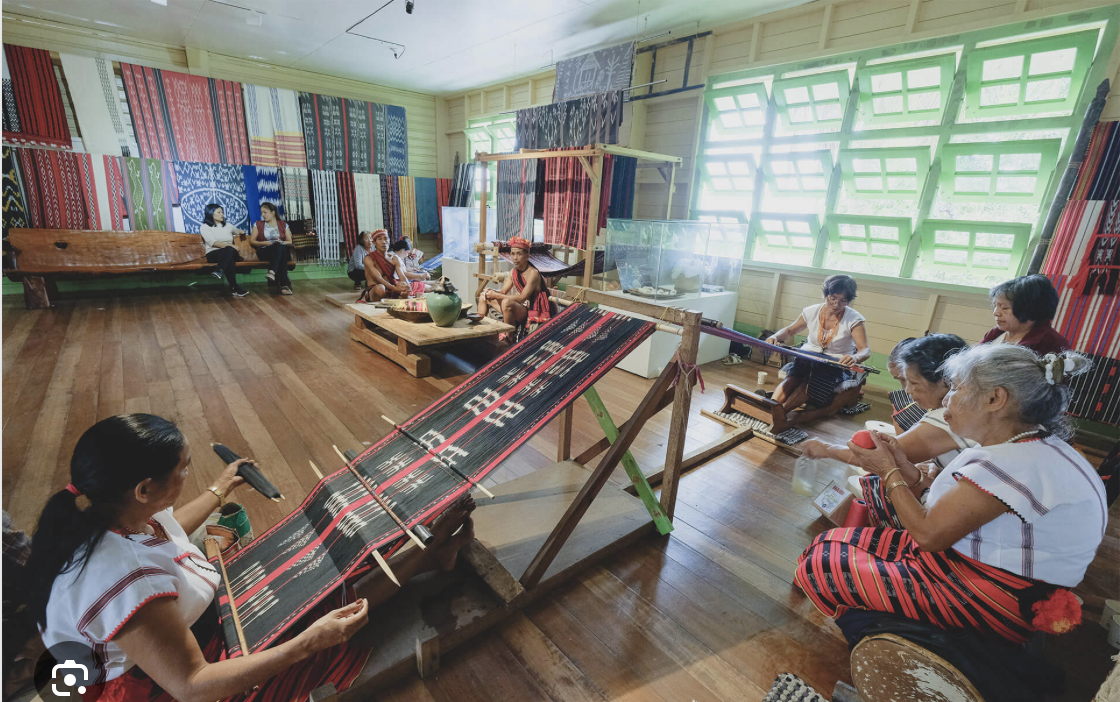
Across the Philippine archipelago, a quiet cultural revolution is underway. In remote villages, mountain highlands, and ancestral lands, community-based tourism projects are empowering Filipinos to preserve and revive their traditions, sustain their environment, and take control of their cultural narratives — all while welcoming travelers in meaningful ways.
Unlike conventional tourism, which often prioritizes profit over preservation, culture-based tourism focuses on local empowerment. These initiatives are designed to benefit communities socially, economically, and culturally, with residents leading efforts to preserve their heritage through craft, ritual, and landscape stewardship.
Weaving identity: Ifugao-Twali women preserve tradition in Nueva Vizcaya
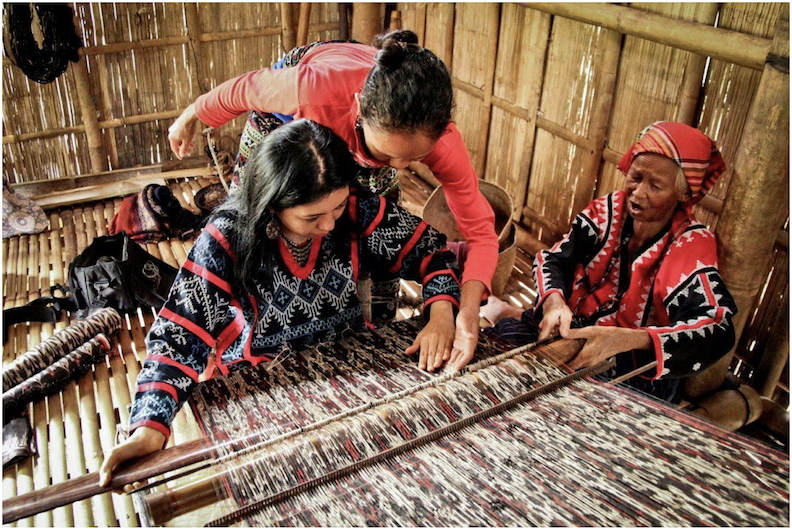
In the mountainous town of Kasibu, Nueva Vizcaya, the women of Barangay Capisaan are reclaiming their Ifugao-Twali roots through weaving. The Alayan Pag-asa Abot-Palad Association, composed of 16 women, many of them mothers, has revived traditional loom weaving techniques with support from the Department of Trade and Industry.
Through their enterprise, Mun-Abol Capisaan Weaving, they craft shawls and skirts using ancestral patterns, including the intricate chain-rib style unique to the region.
Each piece serves as both wearable art and cultural archive — symbols of indigenous resilience passed through generations. Beyond an income source, weaving has become a way for these women to educate their children about their heritage and inspire pride in a once-dormant tradition. With every thread they weave, they stitch together identity, livelihood, and legacy.
The living legacy of the Ifugao Rice Terraces
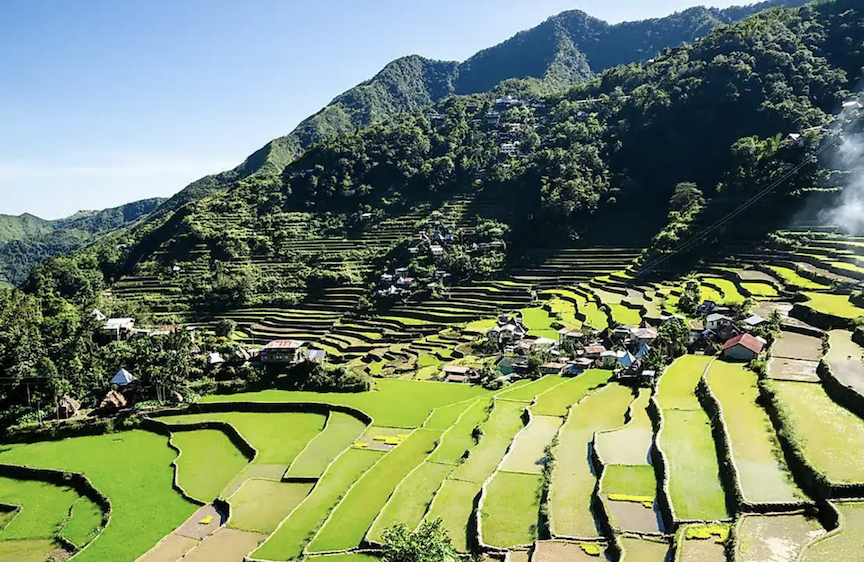
In the Cordillera highlands, the world-famous Ifugao Rice Terraces continue to be a living legacy of indigenous ecological knowledge.
Carved by hand over 2,000 years ago, the terraces are a testament to sustainable farming practices and community-led land management. Still maintained using lunar planting cycles, herbal pest control, and gravity-fed irrigation, the terraces embody a philosophy of harmony with nature.
Here, community-based tourism takes the form of homestays, heritage tours, and craft workshops. Visitors can stay in traditional Ifugao homes, take guided hikes through the terraces, and learn to weave or participate in rituals.
More importantly, these programs are run by the locals themselves, with tourism revenues going directly into maintaining the terraces, supporting families, and teaching younger generations about their vital role as stewards of this UNESCO World Heritage Site.
Tagbanua stewardship: Cultural and environmental protection in Coron

Meanwhile, in Coron, Palawan, the Calamian Tagbanua people are leading one of the country’s most compelling examples of community-managed cultural tourism. Beyond the iconic limestone cliffs and turquoise waters, travelers are invited into the Tagbanua’s ancestral domain, where they learn about sacred landscapes, traditional fishing, and deeply rooted spiritual beliefs.
Lakes such as Kayangan and Barracuda — often featured on tourism brochures—are not just scenic destinations but sacred spaces in Tagbanua cosmology. Local elders and guides explain their connection to the land and sea, offer insights into environmental protection, and regulate tourism activities to preserve ecological balance. The Tagbanua’s control of tour operations ensures that income supports local education, healthcare, and conservation efforts, rather than being diverted to commercial operators.
This model exemplifies regenerative tourism, where travelers contribute not only to local economies but also to the preservation of culture and nature. By asserting their rights and leading the narrative, the Tagbanua show how tourism can serve as a shield against cultural erosion.
Urban heritage preservation: Vigan’s living cultural economy

In Vigan, Ilocos Sur, cultural preservation thrives not just in museums but in the heart of the city’s daily life. Along its iconic cobblestone streets, family-run abel weaving studios and burnay pottery workshops continue centuries-old traditions, inviting visitors to experience the crafts firsthand. Tourists can try their hand at weaving or molding clay, gaining a deeper appreciation for the skill and history behind each creation.
Many of these enterprises have been passed down through generations, serving both as livelihoods and cultural anchors. Their presence helps Vigan maintain its UNESCO World Heritage status—not as a preserved relic, but as a dynamic, living city where tradition and modern tourism coexist. Through hands-on learning and local storytelling, visitors leave not just with souvenirs, but with a sense of connection to the heritage of the Ilocano people.
Empowering locals through culture-based tourism
Across the country — from the weaving looms of Nueva Vizcaya to the sacred lakes of Palawan — these grassroots initiatives share a common thread: a belief that culture should be lived, not just displayed. As mass tourism threatens to homogenize experiences and commercialize identities, Filipino communities are showing that tourism can instead be a powerful tool for cultural resilience and self-determination.
In these villages, heritage isn’t something trapped in the past. It’s a shawl still being woven, a ritual still being performed, a story still being told. And through community-based tourism, it’s being shared with the world, not as a spectacle, but as solidarity.
As the Philippines continues to navigate the challenges of globalization and environmental change, these community-led tourism efforts stand as beacons of hope. They show that when tourism is rooted in respect, collaboration, and cultural pride, it can become a powerful force for preservation and progress.
More than just economic opportunities, these initiatives revive ancestral knowledge, foster intergenerational learning, and strengthen local identities. For travelers seeking meaning beyond leisure, and for communities fighting to keep their traditions alive, community-based tourism is more than a trend — it’s a movement. One that proves heritage, when protected by its people, will not just survive, but thrive.