

When ‘100 Tula Para Kay Stella‘ premiered in 2017, it didn’t just give audiences another college love story — it gave them an emotional time capsule.
Written and directed by Jason Paul Laxamana, the film became a standout entry in the Pista ng Pelikulang Pilipino for its sincerity, rawness, and ability to capture the youthful ache of loving someone from afar.
Anchored by memorable performances from JC Santos and Bela Padilla, 100 Tula Para Kay Stella resonated with students, dreamers, and anyone who has ever loved silently.
It was more than just a romantic film — it was a quiet, poetic reminder that not all love stories are loud, and not all of them end the way we hope.

The story behind the poems
The film centers on Fidel, a shy and soft-spoken freshman who has a speech impediment that makes verbal expression difficult. Despite his struggles, he develops deep feelings for Stella, an outspoken and fiercely ambitious rock singer in their university. Instead of confessing outright, Fidel pours his heart into writing a hundred poems for Stella — each verse an act of devotion, each word something he cannot bring himself to say aloud.
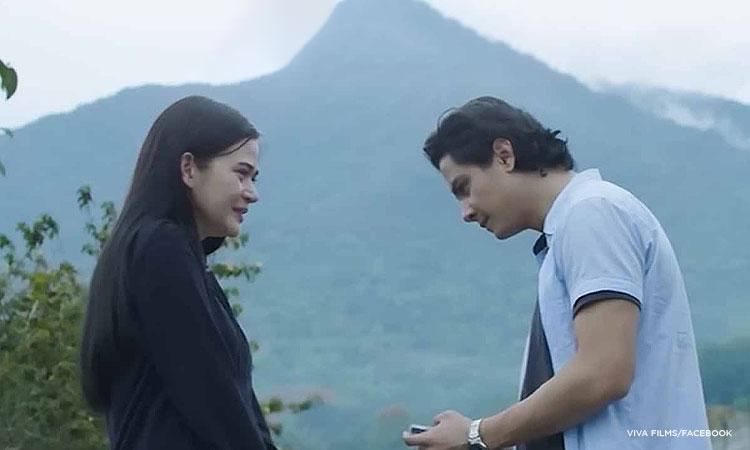
As their college years unfold, Stella chases her dreams of becoming a music artist while Fidel remains quietly by her side, his affection growing stronger yet still unspoken.
The poems become milestones of Fidel’s inner journey — markers of his love, longing, and growth.
Their paths, however, never fully align. Stella falls in love with other people, experiences heartbreaks, and drifts further from Fidel’s quiet world.
Meanwhile, Fidel matures into his own person, silently hoping for a moment when Stella might see him the way he sees her. By the time the 100th poem is written, it becomes clear that some love stories aren’t meant to be fulfilled — and that’s where the film finds its bittersweet beauty.
Themes that resonate
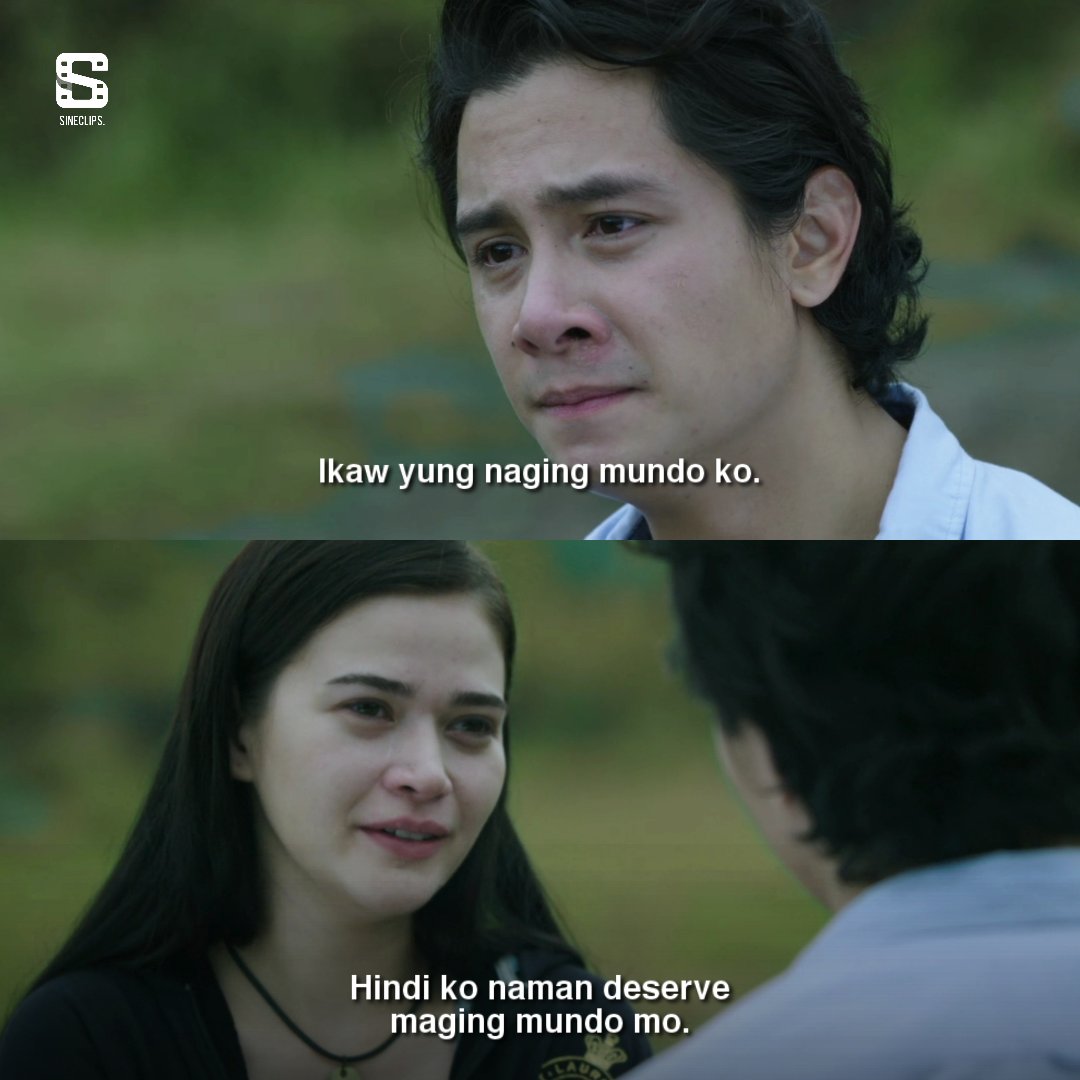
The movie 100 Tula Para Kay Stella resonated deeply because it wasn’t about grand gestures or fairy-tale endings.
It explored themes that felt real and personal:
- Unrequited love – the courage and vulnerability of loving without expecting anything in return
- Coming of age – navigating the awkward and transformative years of college life
- Dreams vs. reality – Stella’s pursuit of fame contrasts with Fidel’s quiet stability, showing how ambitions can pull people in opposite directions
- The power of words – celebrating how the written word can preserve emotions when spoken words fail
These themes struck a chord with many young adults who saw themselves in Fidel’s silent longing or Stella’s restless search for purpose. The film became a mirror for those who have loved quietly, supported from the sidelines, or let someone go for the sake of their happiness.
A poetic cinematic experience

Audiences and critics praised the film for its authenticity and heartfelt storytelling.
JC Santos’ portrayal of Fidel made his stutter and silence feel human and profound, while Bela Padilla brought depth to Stella’s complexity — equal parts charismatic and fragile. The cinematography reflected the characters’ emotional landscapes: warm, muted tones for vulnerability and bright, electric colors during Stella’s performances.
What made the film stand out was its structure — the poems weren’t just decorative flourishes, they were emotional anchors. Each poem revealed pieces of Fidel’s soul, making the audience root for him even when they knew the story might not end in his favor. It transformed the film from a typical romance into a lyrical journey about growth, timing, and the many forms of love.
Where are they now: 100 Tula Para Kay Stella 2
Six years later, the long-awaited sequel finally arrived: 100 Tula Para Kay Stella 2, which will be released this 2025 and once again written and directed by Jason Paul Laxamana.
This time, the story revisits Fidel and Stella years after college — older, changed, and carrying the emotional weight of their past.
Fidel has grown into a successful professional and a published poet, his once-hidden voice now celebrated by many.
Stella, on the other hand, is now a single mother, quietly trying to rebuild her life while caring for her child. Their unexpected reunion stirs old feelings and unresolved regrets, forcing them to confront the love that never fully bloomed and the choices that kept them apart.
Unlike the youthful idealism of the first film, the sequel is grounded in the realities of adulthood. It explores:
- how time reshapes love,
- how missed chances can leave lifelong echoes, and
- how healing and forgiveness are necessary before love can return.
The film doesn’t offer a neat, fairy-tale resolution — and that’s what makes it powerful. It acknowledges that love isn’t just about passion; it’s also about timing, responsibility, and emotional maturity.
Fidel and Stella’s reunion isn’t portrayed as destiny fulfilled but as two people cautiously reaching for what might have been, hoping it’s not too late to rewrite their ending.
Why these films still matter
Together, 100 Tula Para Kay Stella and 100 Tula Para Kay Stella 2 tell a complete and deeply human love story. The first film captures the raw vulnerability of young love, while the sequel explores the sobering weight of adult choices.
For viewers who once saw themselves in Fidel’s 100 poems, the sequel feels like a reunion with old friends — a reminder that even unfinished love stories can find their way back, and that closure sometimes comes not in grand declarations, but in quiet understanding.
These films continue to resonate because they reflect real life: messy, complicated, and beautiful in its imperfection.
They remind us that love isn’t always about getting the person you want — sometimes it’s about appreciating them, letting them go, and finding the courage to love again when life offers a second chance.
In the end, Fidel’s hundred poems became more than love letters. They became a testament to how love — even when unreturned, delayed, or broken — can still be beautiful.