In the vibrant landscape of Filipino digital creativity, language is not just a tool but a culture of its own.
The unique blend of Tagalog and English, affectionately known as Taglish, has long defined how Filipinos express themselves online — especially on social media.
Now, the growing role of AI or artificial intelligence is joining the conversation, reshaping how Taglish content is crafted and shared while dancing on the delicate line between novelty and authenticity.
The rise of AI in Taglish content creation

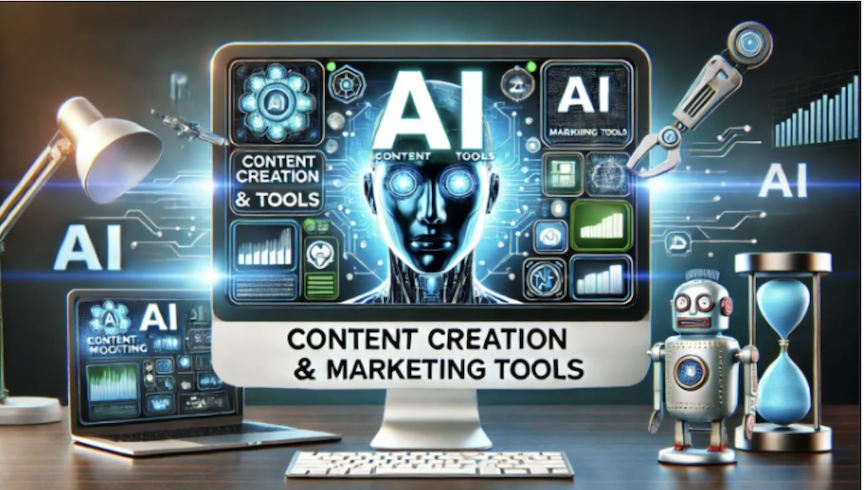
AI tools are rapidly becoming indispensable in the Filipino social media sphere. From generating catchy captions to producing localized, culturally meaningful content, AI-powered writing assistants are helping creators, brands, and businesses craft Taglish posts that resonate with their audiences instantly.
Platforms like Hootsuite provide AI caption generators tailored for social media, capable of producing compelling posts in seconds, saving time and sparking creativity.
These tools are multilingual, and though Taglish is fluid and context-driven, artificial intelligence is learning to accommodate the shifting nuance between English and Tagalog commonly seen in everyday Filipino conversations.
More specialized artificial intelligence writers trained specifically on Tagalog and its nuances are also making waves.

These writers don’t just translate; they understand context, tone, and cultural references, allowing them to generate content that feels authentically Filipino. Whether it’s drafting marketing materials, social media posts, or even news articles, the use of artificial intelligence in Taglish is helping amplify local voices with efficiency and accuracy.
Balancing novelty and authenticity
While artificial intelligence offers speed and scalability, Filipino content creators and brands remain keenly aware that Taglish is more than just words — it’s a cultural vibe and a social currency.
Many are now using artificial intelligence as creative collaborators rather than replacements, refining drafts to maintain the playful, conversational tone that makes Taglish so endearing.

Moreover, continuous human feedback is vital. Filipino creators tweak artificial intelligence outputs to ensure the right mix of humor, warmth, and local flavor.
This “human-in-the-loop” approach guarantees that the spontaneity and charm of Taglish remain intact, even when artificial intelligence handles bulk content production.
The impact on social media and localized content
The fusion of artificial intelligence and Taglish is reshaping how Filipino brands approach digital marketing and social media engagement.
What was once a straightforward process of posting generic content has evolved into a dynamic and highly personalized strategy. Businesses, particularly small and medium enterprises (SMEs), are now harnessing tools powered by artificial intelligence to craft hyper-localized content that resonates deeply with Filipino audiences.
This approach not only captures attention but also strengthens brand loyalty by reflecting local values, shared humor, and cultural nuances.

With the increasing dominance of platforms like TikTok, Instagram, and Facebook, this trend has become even more crucial. Taglish captions generated by artificial intelligence, as well as short-form videos and interactive posts are helping brands join ongoing conversations, ride viral trends, and align with Filipino humor and current events.
These systems can instantly analyze trending hashtags, keywords, and engagement metrics to optimize content for maximum visibility, allowing brands to stay relevant and competitive in fast-paced social feeds.
Beyond boosting engagement, artificial intelligence is also improving content accessibility. Real-time AI-driven subtitling and captioning tools can seamlessly merge English and Tagalog, ensuring that content appeals to a broader spectrum of Filipino viewers, including those with hearing impairments or varying language preferences.
This inclusive approach not only expands audience reach but also reinforces the idea that digital spaces can be welcoming and relatable to everyone.
Ultimately, the integration of artificial intelligence and Taglish signals a shift toward more authentic, culturally grounded, and inclusive content creation — empowering Filipino brands to engage meaningfully with their audiences in ways that feel personal, relevant, and timely.
Looking ahead: The future of Filipino content creation

The evolving relationship between artificial intelligence and Taglish signals exciting potentials. And as artificial intelligence continues to improve its grasp of linguistic and cultural subtleties, we can expect more innovative ways of expressing Filipino identity online with tools that enhance — not dilute — our unique voice.
For Filipino creators and brands, the key is embracing the power of artificial intelligence while preserving the essence of Taglish’s dynamic charm. When artificial intelligence speaks Taglish, it’s not just about technology; it’s about amplifying the heart and soul of Filipino storytelling for the digital age.