
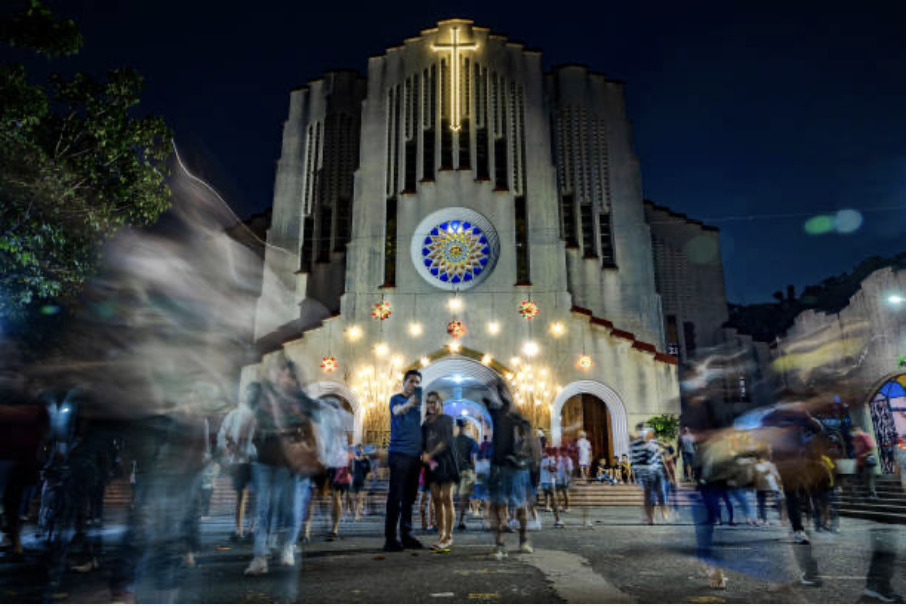
Every December 16, churches across the Philippines begin filling before dawn. Streets are quieter than usual, tricycles idle near parish gates, and the smell of puto bumbóng and bibingka drifts from temporary stalls outside churchyards. For many Filipinos, this early-morning gathering marks the real beginning of Christmas.
Simbang Gabi, the nine-day series of dawn Masses leading up to Christmas Eve, is often described as a Catholic devotion. In practice, it has grown into something broader. It is a cultural rhythm shaped by faith, habit, food, and collective memory — observed even by those who no longer consider themselves regular churchgoers.
Whether completed faithfully or attended only once or twice, Simbang Gabi remains one of the most enduring traditions in Filipino life.
A devotion shaped by work and circumstance
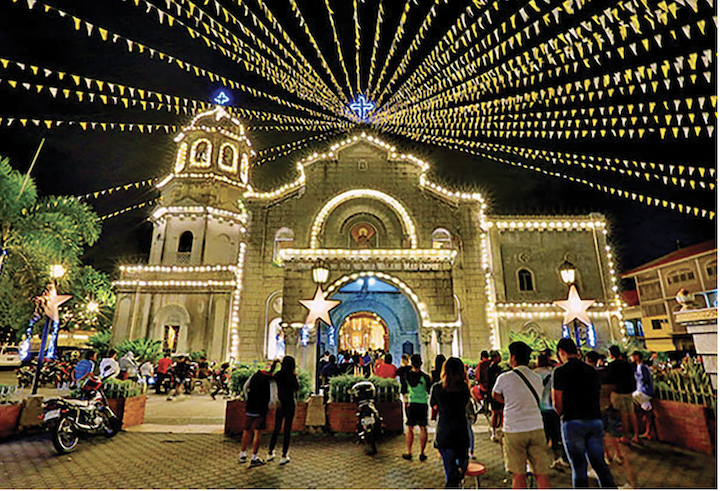
The origins of Simbang Gabi date back to the Spanish colonial period, when Catholic missionaries adjusted Mass schedules to accommodate Filipino farmers. Holding Mass before sunrise allowed agricultural workers to attend before heading to the fields.
What began as a practical solution eventually took on deeper meaning. Over time, the nine-day devotion became associated with sacrifice, discipline, and preparation. Completing all nine Masses is still widely believed to carry special intentions or blessings, though these beliefs vary across families and communities.
More than doctrine, however, the ritual endured because it adapted to everyday life. It fit into work schedules, seasonal rhythms, and communal routines, making it both accessible and meaningful.
The quiet discipline of showing up at dawn
There is a shared experience to Simbang Gabi that begins well before the church doors open. Streets feel different at four in the morning. The air is cooler, movement is slower, and people recognize one another in small, familiar ways.
Inside the church, the atmosphere is subdued but focused. Lighting is softer, voices are lower, and the mood feels more collective than formal. Unlike a typical Sunday Mass, Simbang Gabi carries the sense that everyone present has made the same effort to be there.
For many families, attending together turns the ritual into a form of quiet bonding. Parents bring children, grandparents insist on attendance, and even lapsed churchgoers find themselves returning — drawn by memory, obligation, or a desire for continuity.
Food as an extension of the ritual
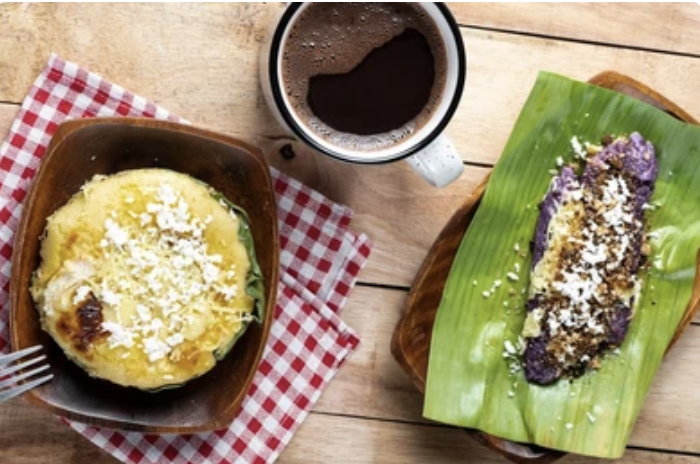
Outside the church gates, the experience continues. Vendors set up before sunrise, selling rice cakes, hot chocolate, and other seasonal fare. Puto bumbóng and bibingka are no longer just holiday treats; they are inseparable from Simbang Gabi itself.
These foods function as a pause after prayer. They offer warmth, conversation, and a reason to linger. People eat standing up or seated on plastic stools, exchanging greetings before heading to work or back home to sleep.
Over time, these dishes have become visual shorthand for the season, appearing in advertisements and social media posts. Their meaning, however, remains tied to context. They are meant to be eaten at dawn, after mass, in the company of others who have shared the same early start.
Different reasons for keeping the tradition
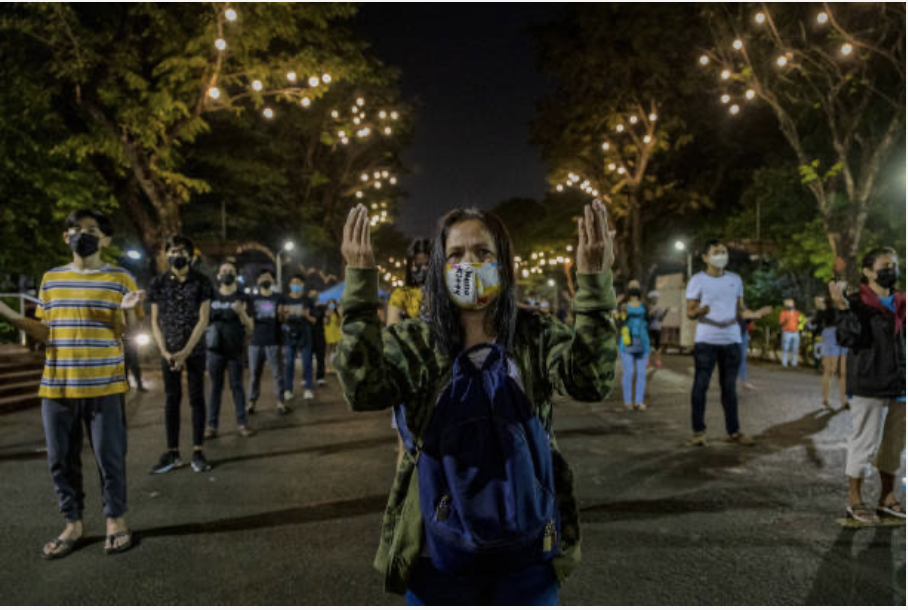
Simbang Gabi means different things to different people.
For some, it remains a deeply spiritual commitment rooted in prayer and intention. For others, it is a family tradition observed out of respect or habit rather than belief.
Many approach it selectively, attending a few masses rather than completing all nine. This flexibility has helped the tradition endure, allowing participation without demanding uniform devotion.
Parishes have also adjusted to modern realities.
Evening versions of Simbang Gabi now accommodate those who cannot attend at dawn because of work schedules, long commutes, or caregiving responsibilities. While some question whether these masses carry the same devotional weight, their popularity reflects how the tradition continues to evolve.
Simbang Gabi away from home
For Filipinos living overseas, Simbang Gabi often carries added emotional weight. In places where Christmas is quieter or less communal, the nine-day devotion becomes a way to recreate a sense of home.
Filipino parishes abroad often organize Simbang Gabi as both a religious and social event. Traditional food is served afterward, and attendance becomes a marker of shared identity. In these settings, the ritual functions as a cultural anchor, reinforcing connection across distance.
Why the ritual still holds
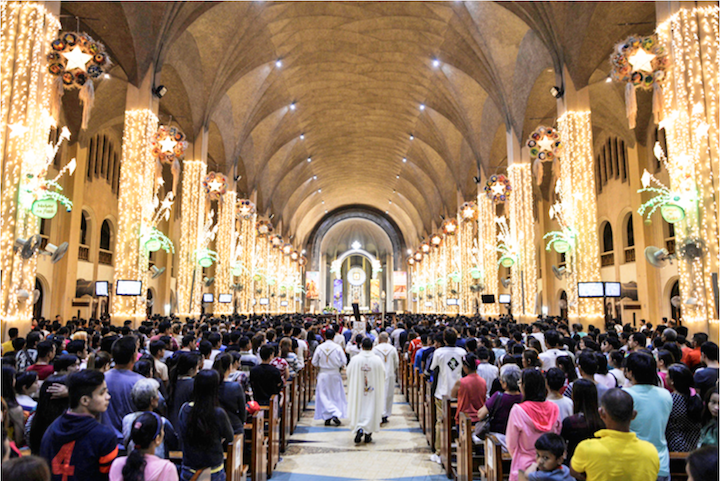
Simbang Gabi has survived not because it has remained untouched, but because it has resisted being fully simplified. It is inconvenient by nature. Waking up early, repeating the effort for several days, and rearranging routines are part of its meaning.
In a time shaped by speed and efficiency, the ritual insists on slowness and presence. It values consistency over ease and participation over convenience.
As Simbang Gabi officially begins, it once again invites Filipinos to step into that rhythm. Whether attended in full or in passing, it remains a reminder that Christmas in the Philippines often starts not with noise or spectacle, but with a quiet gathering before sunrise.