For once, many Filipinos were relieved that the country’s weather bureau had miscalculated. When PAGASA warned of the potential devastation from Super Typhoon Uwan (international name: Fung-Wong), communities across Luzon braced for the worst — stocking up on supplies, reinforcing homes, and preparing for extended power outages.
But when Uwan made landfall in early November, the feared devastation did not materialize.
The system weakened rapidly, its strong winds and heavy rains dissipating almost as soon as they hit Luzon’s eastern coast.
The reason? A natural shield that has quietly protected Filipinos for generations: the Sierra Madre mountain range.

Sierra Madre mountain range: A natural fortress in action
Stretching more than 540 kilometers along Luzon’s eastern corridor, the Sierra Madre is the Philippines’ longest mountain range — and one of its most important. Each year, about 20 tropical cyclones enter the Philippine Area of Responsibility, many of them crashing first into Sierra Madre-facing provinces.
According to PAGASA Deputy Administrator for Research and Development Marcelino Villafuerte II, “The Sierra Madre has indeed weakened Uwan into a typhoon category upon landfall, primarily because of friction.”

Satellite data showed the typhoon’s eye breaking apart shortly after crossing the mountain range — a vivid reminder that geography still shapes disaster outcomes even in the era of climate change.
For many residents, the bureau’s “overestimate” was a welcome surprise. “It’s the kind of mistake we can all be thankful for,” one Luzon resident joked online, echoing a national sigh of relief.
Satellite data confirmed that the storm’s eye broke apart after crossing the mountain range — a vivid reminder that geography still matters in the era of climate change.
For many, PAGASA’s “overestimate” was a welcome relief and a powerful testament to the Sierra Madre’s quiet strength. “It’s the kind of mistake we can all be thankful for,” joked one resident on social media, echoing a nationwide sigh of relief.
If only other regions had their own Sierra Madre
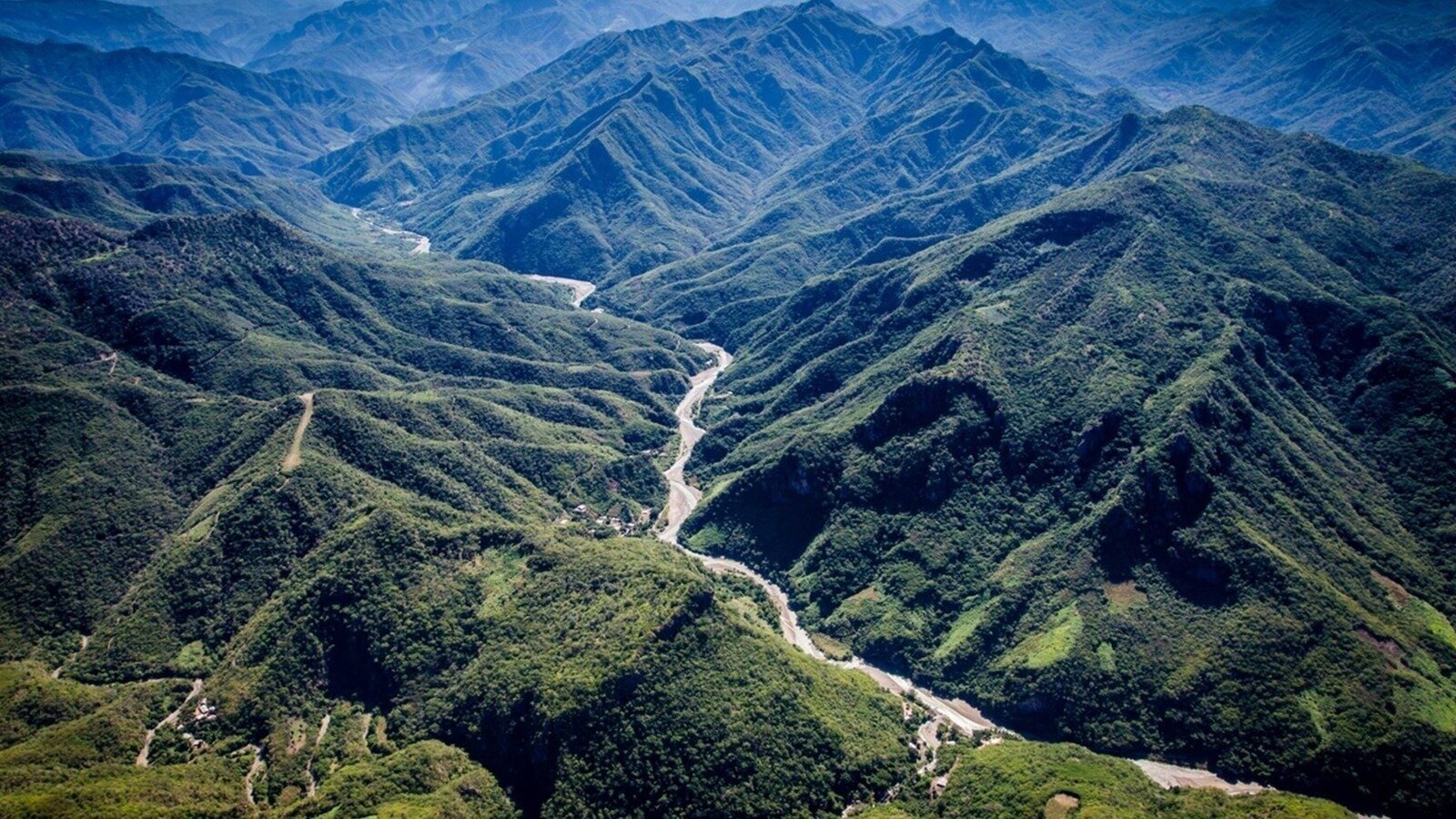
Uwan’s sudden weakening reignited public discussion about how geography influences storm impacts.
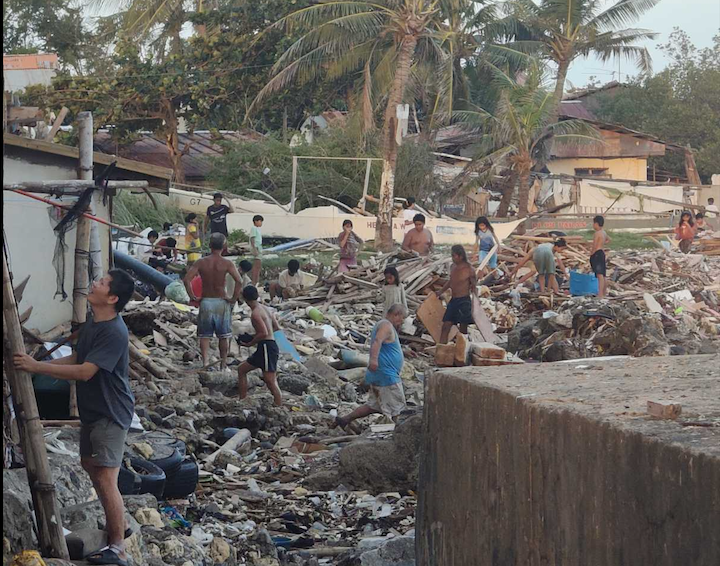
Experts note that the Visayas and Mindanao — which lack an equivalent natural barrier — often suffer the full force of typhoons. When Typhoon Tino and Super Typhoon Odette (Rai) in 2021 swept through central and southern Philippines, the absence of mountain ranges allowed the storms to maintain destructive strength.
Odette alone recorded 195 km/h sustained winds, devastating Cebu, Bohol, and Siargao.
Scientists attribute this difference to the friction effect: mountains interrupt wind flow, weaken storm structure, and disperse rainfall intensity. Studies show that mountain ranges significantly reduce a cyclone’s wind speed upon landfall.
More than a shield
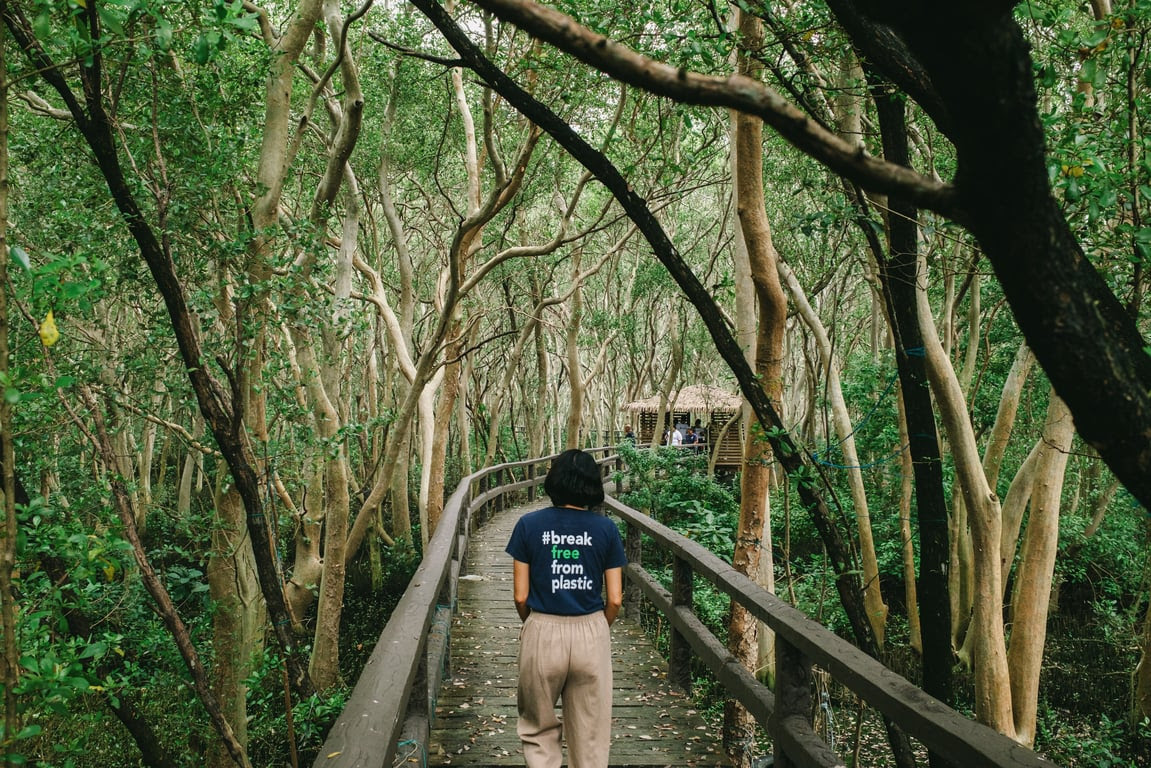
Beyond storm protection, the Sierra Madre is a biodiversity stronghold. It contains some of the country’s last remaining old-growth forests, home to endemic species and major watersheds supplying water to cities and agricultural zones.
Indigenous communities — including the Agta and Dumagat — rely on the mountain for food, medicine, cultural practices, and spiritual identity.

- Carbon sinks (mitigating greenhouse gas concentrations)
- Soil stabilizers (reducing erosion and landslides)
- Natural flood regulators (slowing runoff into lowland rivers)
During Typhoon Uwan, these forested slopes likely helped reduce downstream flood and landslide risk. However, experts caution that the Sierra Madre does not shield the entire country — only Luzon — and even then, only partially.
ABS-CBN’s science report summarizes this nuance: “The science shows the answer is yes, but not quite.”
A shield under threat
Despite its importance, the Sierra Madre is rapidly deteriorating.
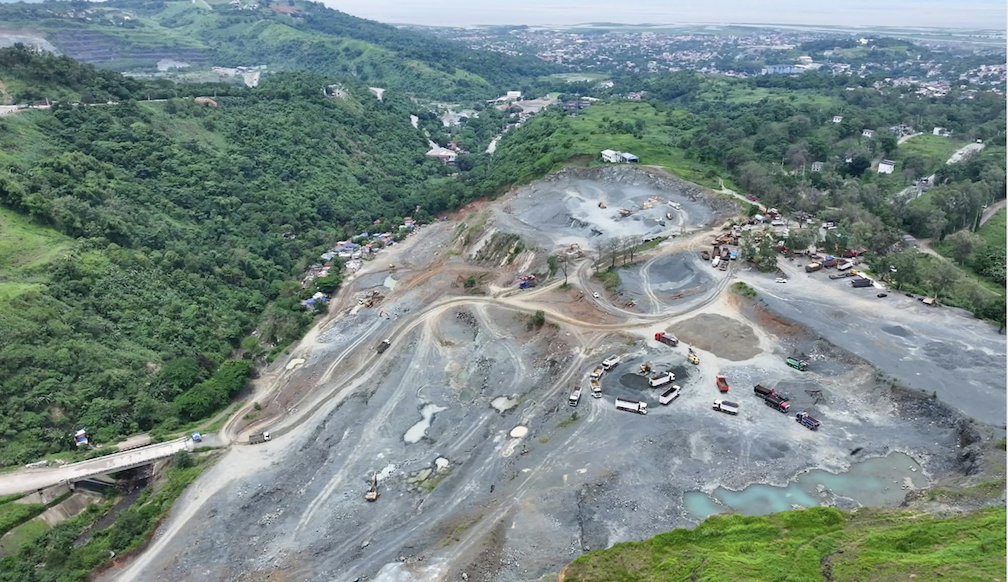
Illegal logging, mining, land conversion, and large-scale development projects continue to degrade its forests.
Environmental groups warn that deforestation could intensify Luzon’s exposure to flooding and stronger typhoons.
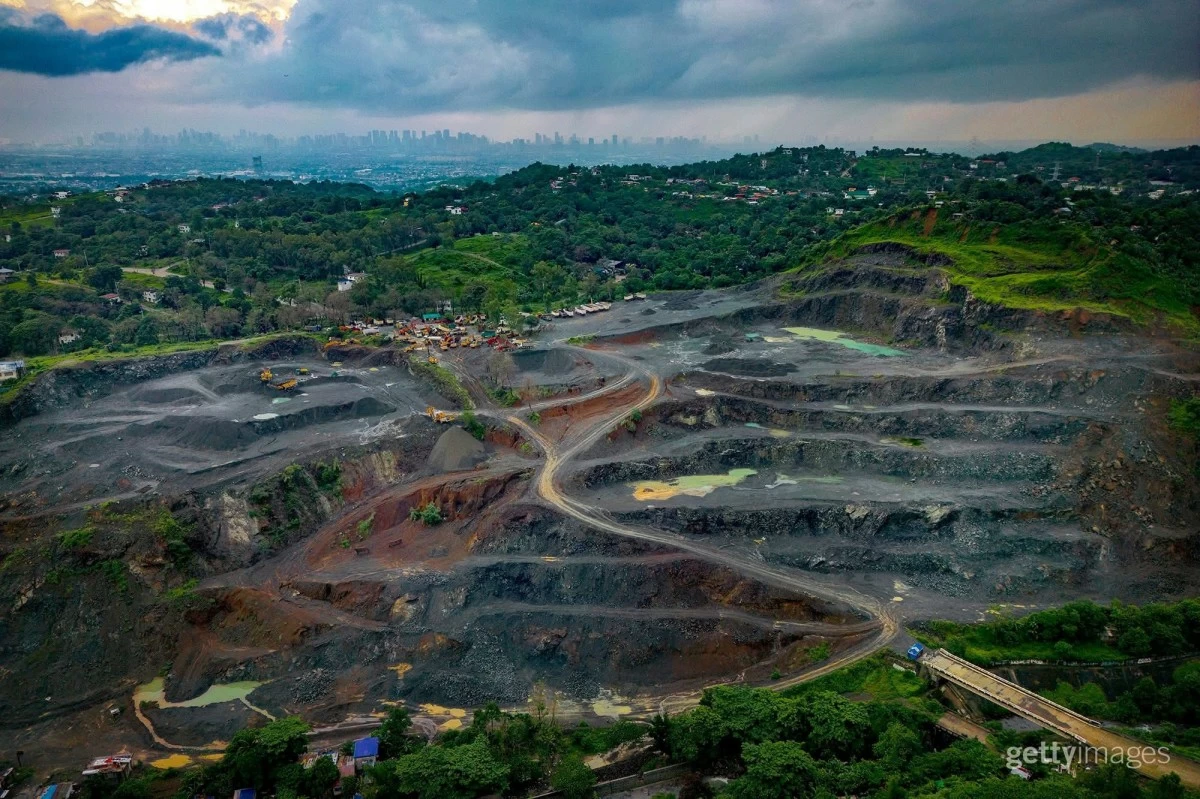
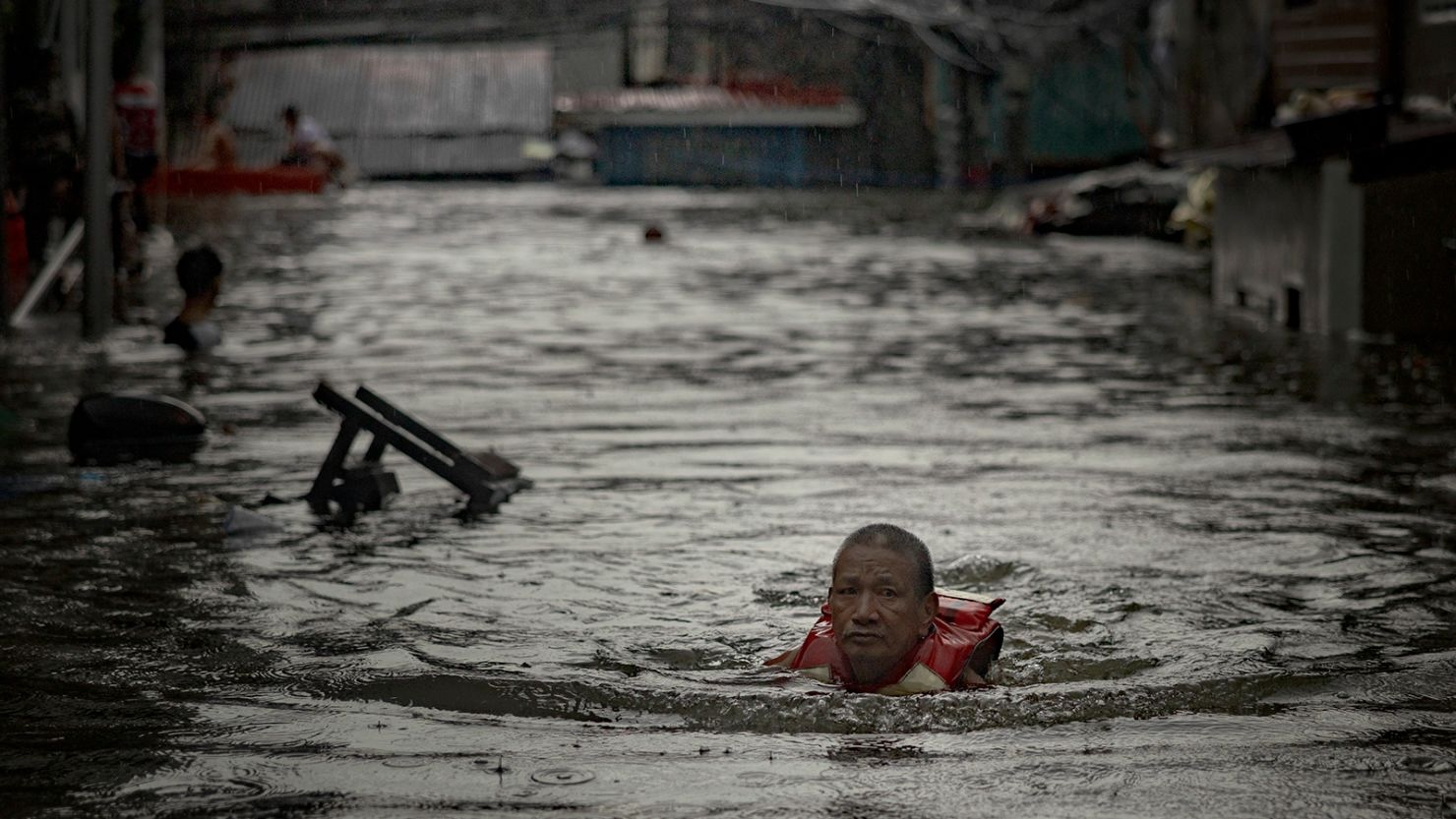
A 2023 scientific study has found that while the range may reduce wind exposure by 3–8%, it can also increase rainfall in adjacent lowlands by 25–55% due to orographic lifting — a phenomenon where moist air rises along mountain slopes and releases rainfall.
“If we lose the Sierra Madre, we lose our first line of defense,” said one climate scientist. “Nature has given us this fortress — it’s up to us to keep it standing,” he added.
This trade-off makes it clear: Sierra Madre is not a cure-all, but its presence remains essential for mitigating widespread disaster.
The human and climate connection
As the planet warms, extreme weather events are becoming more intense.
Sierra Madre’s forests help stabilize the climate by absorbing carbon, buffering rainfall, and regulating water systems. During Uwan, the range’s disruption of the storm likely spared inland communities from more severe winds, giving emergency responders precious time.
Environmental advocates emphasize a critical shift in mindset: “Rather than focusing on the mountain ranges protecting us from the impacts of typhoons, we should instead shift the discourse to protecting these mountain ranges from anthropogenic impacts.”
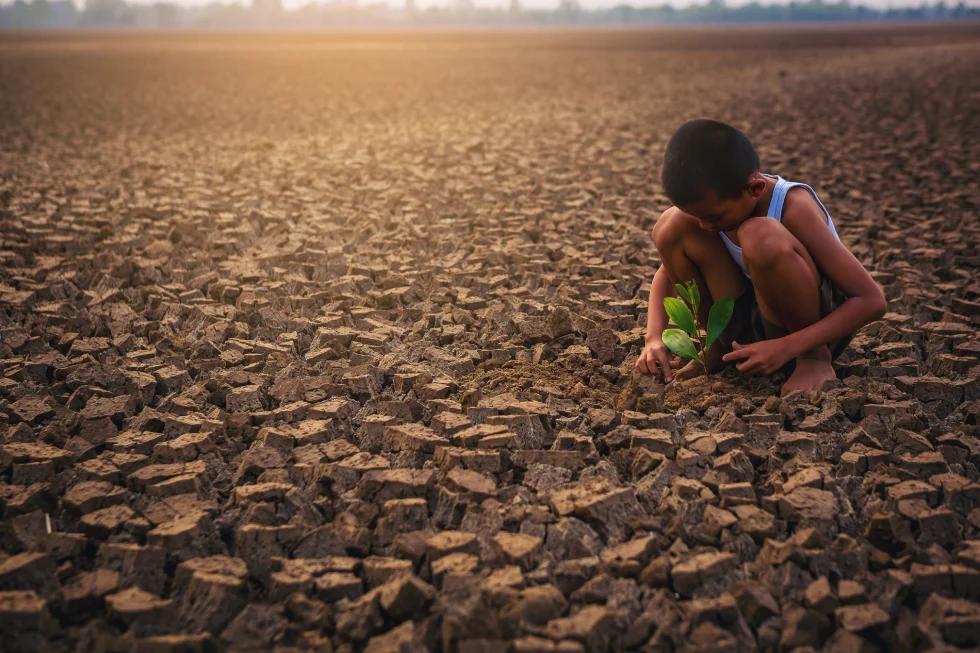
For indigenous peoples, the Sierra Madre is not just a natural shield — it is home.
Generations of Agta and Dumagat communities have safeguarded its forests, rivers, and wildlife, preserving cultural knowledge and sustainable practices. Their heritage is increasingly threatened as logging and development push deeper into ancestral lands.
Protecting the protector
As climate change accelerates, the Sierra Madre’s role becomes more vital — and more fragile. Luzon’s safety and prosperity are deeply intertwined with the wellbeing of its “backbone.”
Conserving the mountain range is not simply an environmental objective. It is a national security priority. Its forests and watersheds protect water supply, prevent landslides, support biodiversity, and reduce disaster impacts.
If the Sierra Madre is lost, Filipinos lose far more than a mountain range:
- A frontline defense against storms
- A reservoir of biodiversity
- A lifeline for millions who depend on its ecosystems
The next powerful storm will come — that much is certain. The question is whether our natural barrier will still be strong enough to protect us.