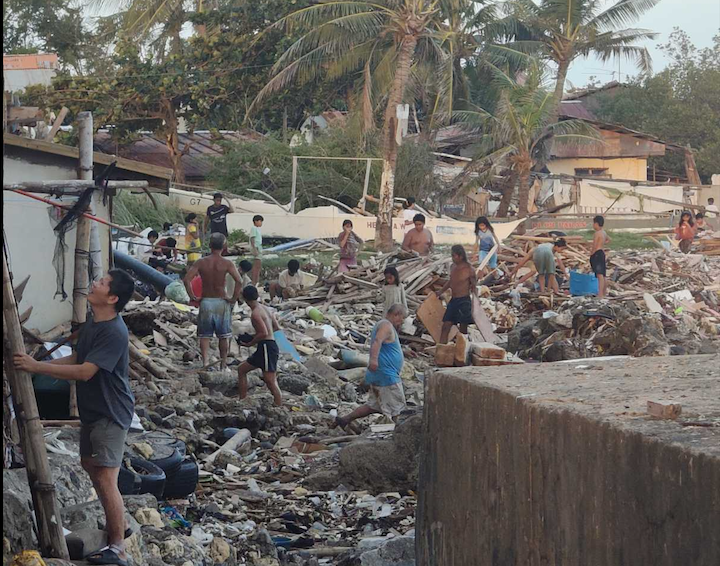
Writing from the aftermath of Typhoon Tino, our Cebu correspondent Rhyll Neri shares a poignant first-hand account of the darkness that followed the storm and the quiet frustration of a city left off the grid. His personal reflection offers a moving roadmap for finding strength when systems fail, reminding us that resilience is often built through small, steady acts of love.
I stood on my porch in Cebu, listening to the tail end of Typhoon Tino as it finally dragged itself out to sea. The wind stopped complaining sometime after midnight, and with it went the last of the mechanical noises I had grown used to: the refrigerator hum, the neighbor’s late-night television, the soft electric breath of a city that thinks it is always awake.
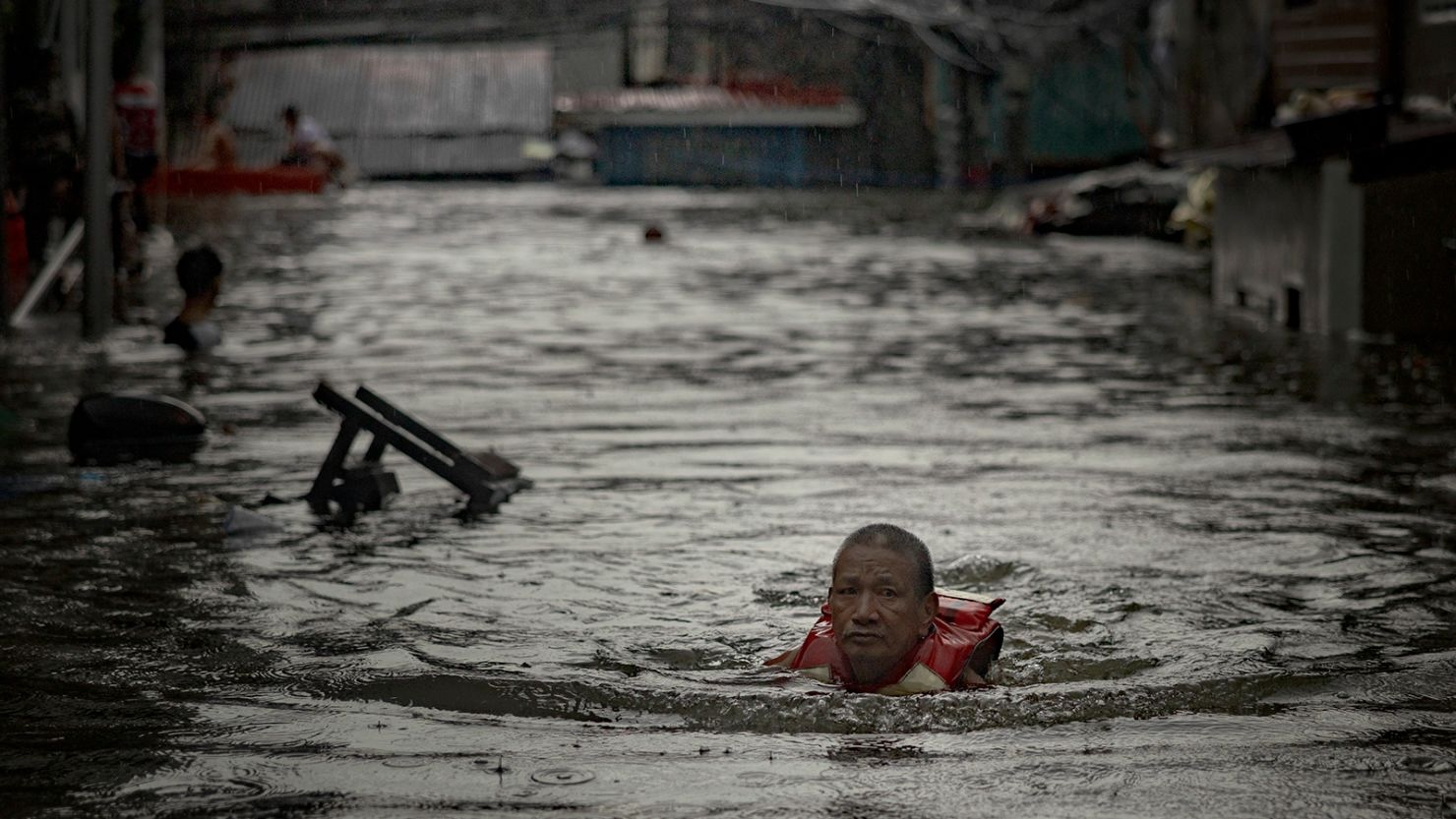
I have lived through storms before, but Typhoon Tino was different. It didn’t just pass through; it carved a hollow space into the province. The typhoon took more than roofs and branches; it took our power for almost three weeks.

I sat outside on a crate the first clear night after the typhoon, surrounded by the unfamiliar silence of my neighborhood, letting the cold breeze wash over me and the dark remind me how small things can feel. Looking up, the stars seemed nearer — not because they moved, but because the light we create had temporarily disappeared.
In that vastness, my thoughts turned to my parents. I want to give them a gentle life: one filled with ease, with fewer nights of worry, with a roof that does not leak and a light that does not flicker.
But the problem is not just physical. After the typhoon, amidst the debris of our street, I found myself asking the hard questions: What do I do? Where do I begin? Where do I find strength when the grid is down and help is slow?
This is not a manifesto. It is a personal attempt to place those questions into words — to be honest about the frustration we felt in Cebu after the typhoon, grateful for the small comforts we scraped together, and deliberate about finding a path forward.
The small, immediate realities of the typhoon

When the power goes out, everyday comforts stop being background noise and become the foreground of life. Food spoils. Phones run low. The house grows cold. Time stretches because schedules lose their frames.
For many families here, these inconveniences of the typhoon were a test of endurance; for some, they were an exposure of deeper vulnerabilities — weak infrastructure, slow aid, and leaders who seemed distant from the urgent and practical needs of the people.
I felt frustration — not a rhetorical, headline-ready outrage, but a plain, human disappointment. It’s one thing to know systems can fail. It’s another thing to watch systems that should protect people act as if they were performing for themselves.
The helplessness wasn’t abstract; it was the hum of an old fan I had to take apart and clean just to keep a sleeping child cool, the long lines for limited water, and the radio announcements that promised action but delivered delay.
But alongside that frustration, there was gratitude. Gratitude for neighbors who lent extra candles. Gratitude for volunteers who checked on elders. Gratitude for my parents — for their histories of resilience despite the typhoon and the inherited habits that keep us from panicking: a little extra savings tucked away, a recipe that feeds more people than it should, a stubbornness passed through a hundred small hardships.
Where to begin: Practical steps that build momentum
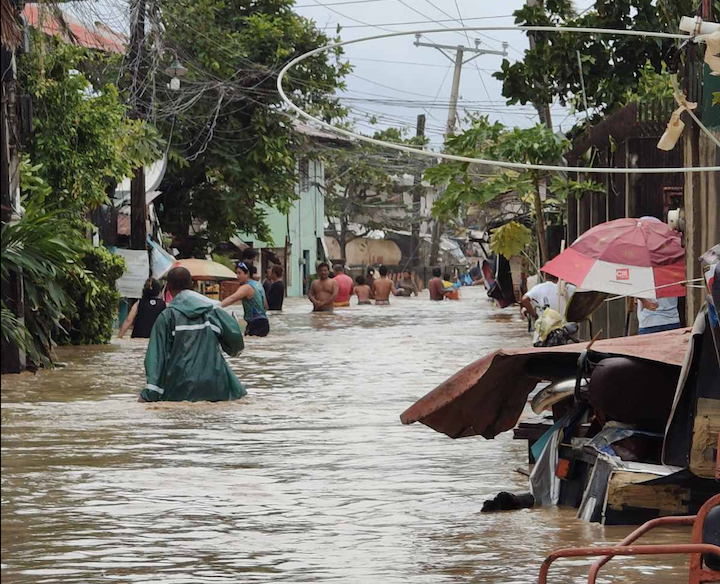
When everything feels fractured, the urge to do something grand is strong. But strength—the kind that lasts — usually starts small and accumulates.
Here is what worked for us:
- Prioritize immediate stability. For my parents, that meant a simple checklist: food security, clean water, a solid sleeping arrangement, and accessible medicines. Practical, measurable steps reduce panic and create space for planning.
- Rebuild in layers. Start with repairs that prevent further damage (fix the leak, clear the drainage), then move to improvements that reduce future vulnerability (reinforce the roof, invest in basic surge protection).
- Create a small emergency fund. Even a modest amount set aside regularly can mean the difference between borrowing under pressure and choosing a measured repair.
- Share skills and knowledge. Community workshops on basic home repairs, emergency first aid, or even battery maintenance can multiply resilience faster than any single donation.
- Document what happened. Keep receipts, take photos, and record conversations with local officials. Documentation is useful for aid applications and builds accountability.
These actions are not glamorous. They are not quick fixes. But they are the sort of steady work that, piece by piece, makes a life more secure.
Finding strength when it feels thin
Asking “Where do I find strength?” is as honest as it is hard. Strength is not a single thing you can gain and store; it’s a practice.
- Ground yourself in routine. The discipline of small daily tasks — making a meal, checking on your parents, walking around the neighborhood — rebuilds confidence.
- Let anger be useful, not destructive. Frustration at systems that fail can be energy. Channel that energy into advocacy: a petition, a meeting with a barangay official, or a community needs list that is shared publicly.
- Small acts of care are enormous. A consistent visit, a repaired window, a cooked meal—these become proof of agency. They teach you that action matters.
- Connect to others. Resilience is social. Strength grows faster and lasts longer when shared.
- Practice honest rest. Strength also means allowing exhaustion to be real and respecting it. Recovery is not a luxury; it is a necessary act of self-preservation.
On anger toward leadership — and what to do with it
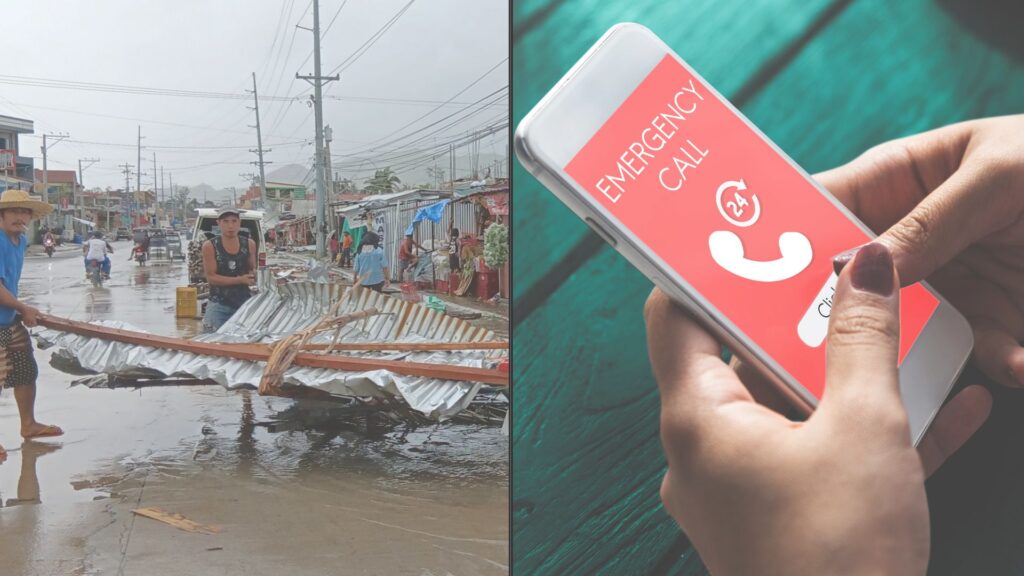
It’s valid to be angry when leaders focus on optics or personal agendas instead of people. But for personal sanity, it helps to direct that anger into outcomes.
Demand transparency regarding recovery timelines. Organize neighbors to present a single, coherent list of needs, as officials are easier to move when requests are specific and unified.
Use public platforms thoughtfully to share experiences that elevate evidence and human stories, not just slogans.
This is less about excusing the system and more about turning public anger into civic leverage.
Moving forward
That night, under the Cebu stars, the questions I asked felt less like commands and more like companions. “What do I do? Where do I begin? Where do I get strength?”
These are not questions meant to be answered all at once. They are prompts for a long practice of care, repair, and persistent hope.
Maybe the first answer is simply this: start small, move steadily, and refuse to be isolated by fear. Build a roof that will stand. Build a routine that keeps the heart steady. Build a neighborly network that acts when help is delayed. And, when possible, keep the light on for others — figuratively and practically.
If you are reading this looking for a blueprint, I don’t have one. I only have a collection of small truths learned in dark nights: practical preparation helps, community multiplies strength, and quiet acts of care matter more than dramatic gestures.
The world sometimes fails to give us what we need. We cannot rely on it to always act with kindness. But we can, in our small circles, practice a steadiness that looks like love.