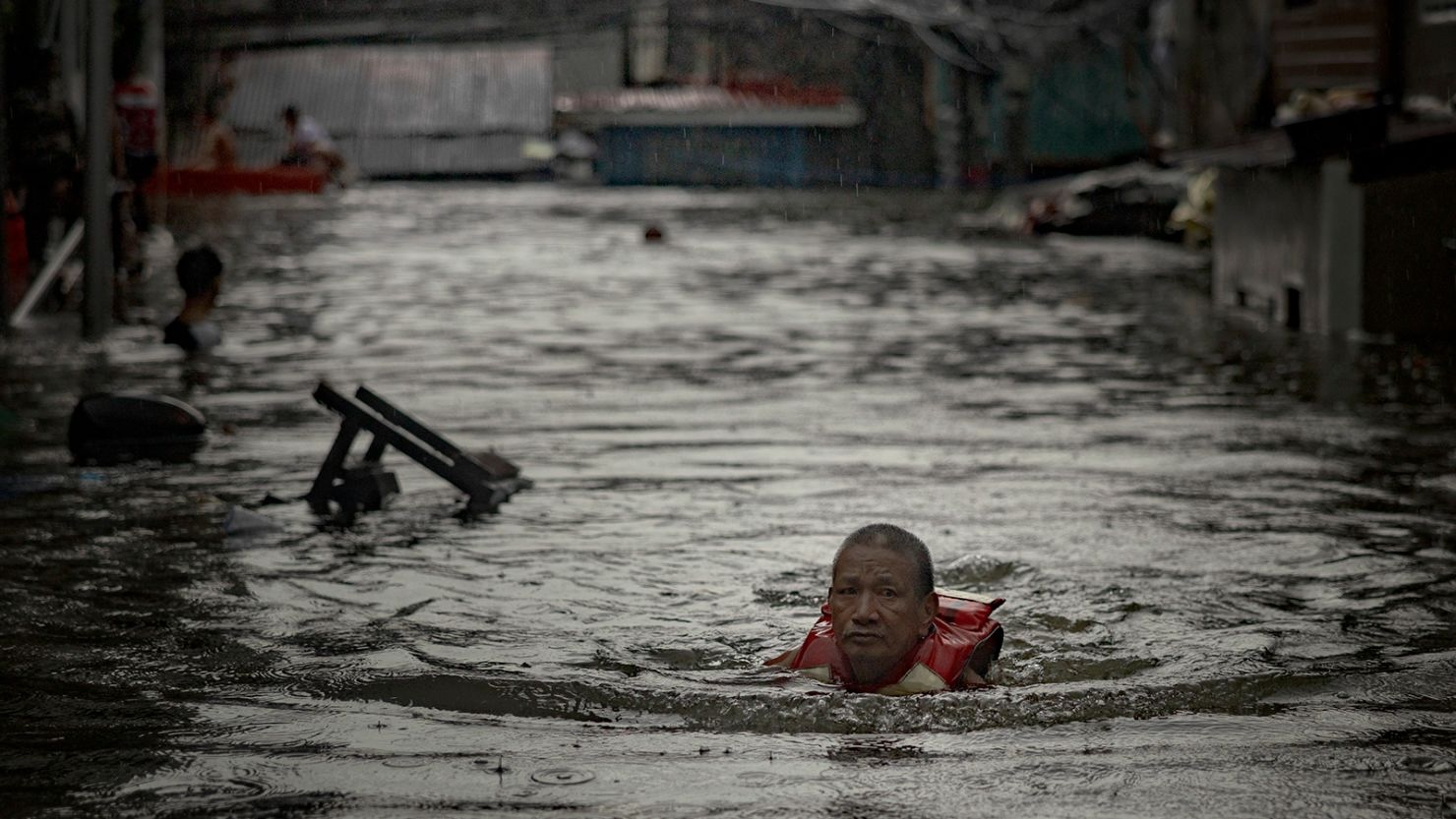
As the Philippines braces for the peak of the typhoon season, a recent Greenpeace report estimates that since 2023, the Philippine government has lost a staggering ₱1.029 trillion in climate-tagged funds due to corruption.
The high cost of corruption

Rising water levels submerging a house as heavy monsoon rains cause major floods in Baco, Oriental Mindoro
This year alone, an estimated ₱560 billion may have already been lost, with the Department of Public Works and Highways (DPWH) at the center of the controversy. Data from the government’s climate database shows that the DPWH manages 90% of all climate-tagged projects, amounting to ₱800 billion in 2025.
Of this amount, ₱248 billion is allocated for flood-related projects. However, based on estimations from a recent Senate inquiry led by Senator Erwin Tulfo, corruption cuts can leave as little as 30-40% of project budgets for actual implementation. This means a staggering ₱173 billion intended for flood control is vulnerable to corruption this year alone.
“A trillion pesos is a staggering, absurd amount, siphoned by avaricious, self-serving officials and contractor corporations from projects meant to help people cope with escalating climate impacts,” said Greenpeace campaigner Jefferson Chua.
“This is unacceptable. They’re not just plundering government coffers, they’re also crippling the ability of millions of Filipinos to survive in the face of an escalating climate crisis. Theft of climate funds at such a scale is atrocious, and offenders are akin to climate criminals,” he further stated.
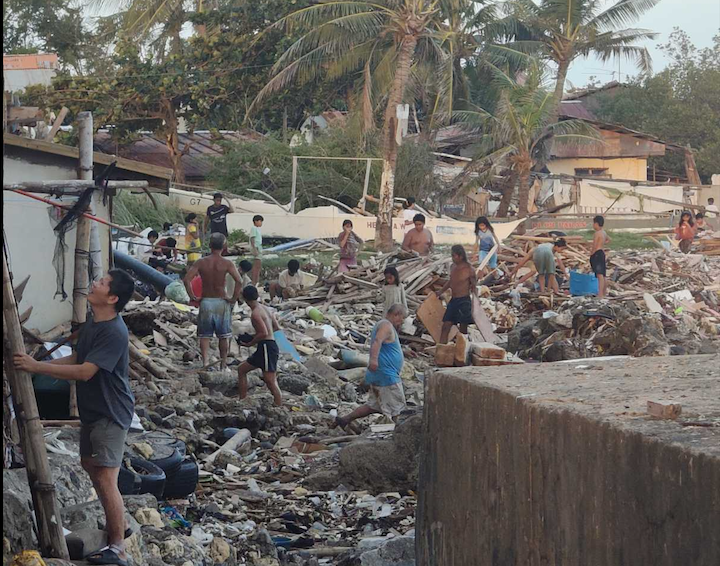
The consequences are dire, as millions of Filipinos are left vulnerable to devastating floods. The economic toll is immense, with the Department of Finance (DOF) reporting losses of ₱506.1 billion from climate-related disasters between 2010 and 2020. The World Bank projects that without adequate climate action, the Philippines could lose up to 13.6% of its GDP by 2040.
A scandal unfolds
The issue of corruption in flood control projects has been brought to the forefront by the ongoing investigation against Sarah Discaya, a prominent businesswoman and socialite, and her family.

IMAGE CREDIT: Facebook/Julis Babao | George Calvelo, ABS-CBN News | Facebook/Rated Korina
The controversy erupted after a social media post by Pasig City Mayor Vico Sotto questioned the ethical implications of an interview conducted by veteran journalists Julius Babar and Korina Sanchez with the Discayas. The interview, which aired just before the 2025 national elections, was seen by many as a PR stunt to bolster the family’s image amid growing public scrutiny of their involvement in government projects.
The investigation has since uncovered a complex web of anomalous transactions and ghost projects, with the Discaya family’s construction firm at the center of the storm. The firm, a major contractor for DPWH flood control projects, is accused of using substandard materials and falsifying documents to secure lucrative contracts.
The scandal has also sparked public outrage and renewed calls for greater transparency and accountability in government spending.
A call for action

In response to the mounting crisis, Greenpeace Philippines is calling for immediate and decisive action from the government.
The organization is urging President Ferdinand Marcos Jr. to hold corrupt officials and contractors accountable, as well as the fossil fuel companies that contribute to the climate crisis.
Among their key demands are:
- An end to corruption and the implementation of transparency measures in government.
- The creation of systems for greater public participation and access to information.
- The establishment of mechanisms to safeguard climate funds from corruption.

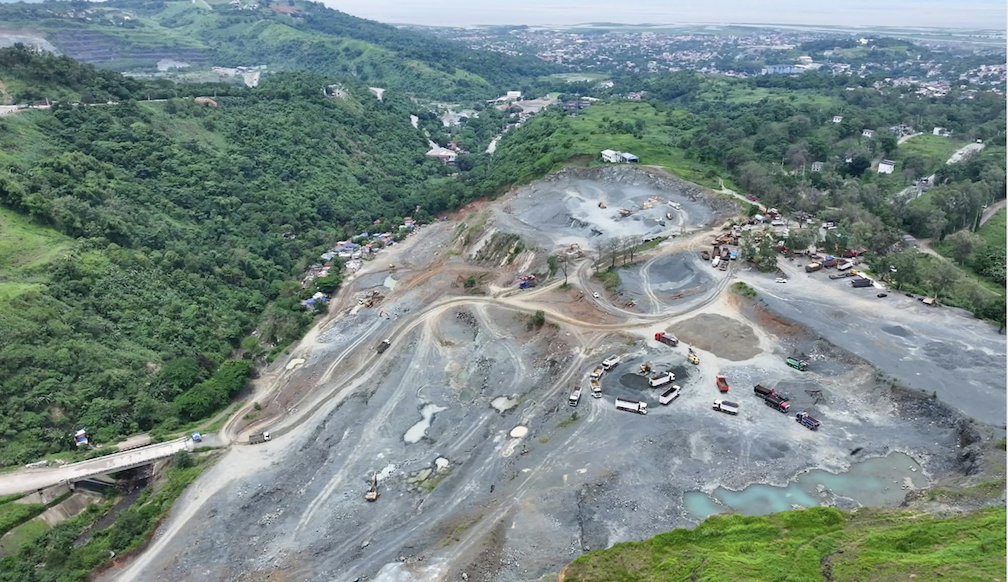
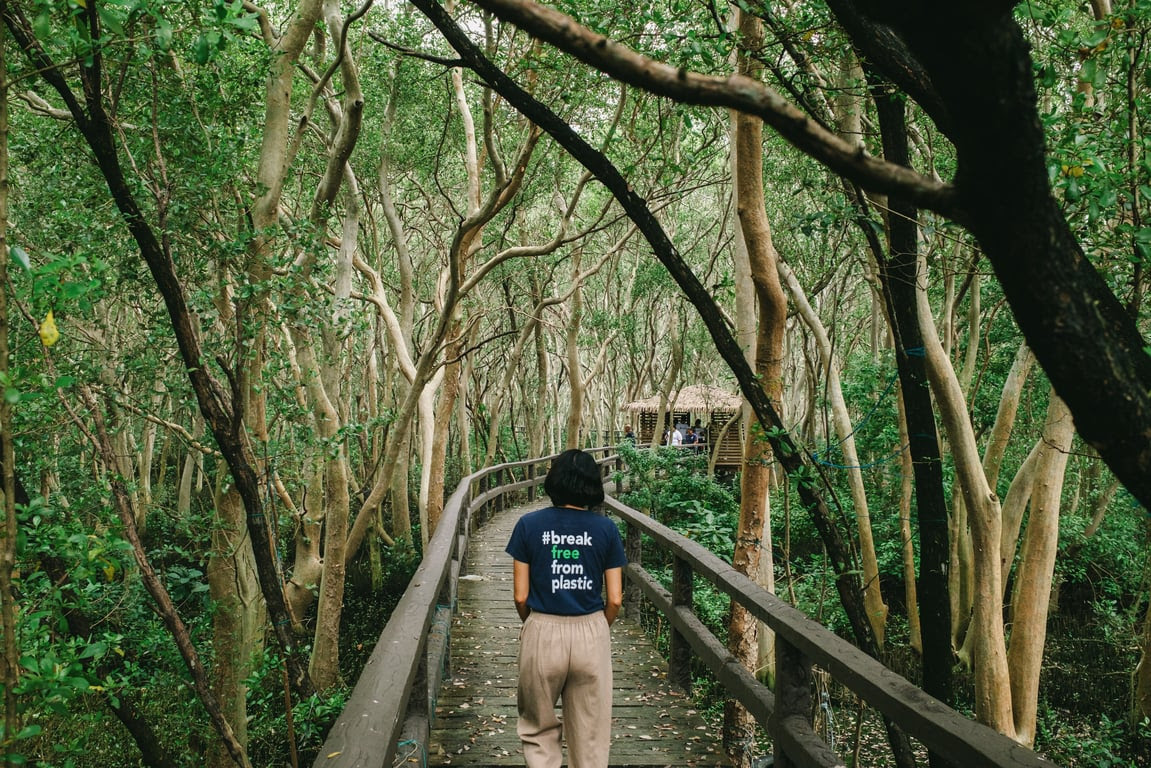
Greenpeace also emphasizes the need for a paradigm shift in the government’s approach to climate adaptation, moving away from an overreliance on gray infrastructure and towards nature-based and community-led solutions. This includes preserving watersheds, stopping destructive mining and quarrying projects, and instituting a national ban on single-use plastics.
As the country grapples with the ongoing typhoon season, the Filipino people are left to grapple with the double burden of a worsening climate crisis and a corrupt system that robs them of their right to a safe and sustainable future. The call for justice and accountability has never been more urgent, as the fate of millions hangs in the balance.