
The K-pop world is buzzing with news about NewJeans, the powerhouse girl group that’s suddenly finding itself at the center of a messy legal battle. What started as a promising career has now turned into a complicated saga that’s got fans and industry insiders talking.
The group’s unexpected hiatus comes on the heels of a heated dispute with ADOR, their label under HYBE Corporation.
At the heart of the conflict? The members’ attempts to break free from their current contract, sparked by the controversial removal of their mentor and former CEO, Min Hee-jin.
Behind the Scenes: More Than Just a Contract Dispute
This isn’t just another industry squabble. It’s a glimpse into the often brutal world of K-pop, where young artists can find themselves trapped in contracts that feel more like golden handcuffs than opportunities for growth. The Seoul Central District Court recently sided with ADOR, blocking the group from pursuing independent activities – a move that’s become all too familiar in an industry known for its tight control.
For fans, it’s heartbreaking. For industry observers, it’s frustratingly familiar. K-pop has long been criticized for its grueling schedules, restrictive contracts, and the enormous pressure placed on young idols. NewJeans’ situation is just the latest chapter in an ongoing story of artists fighting for their right to artistic freedom.
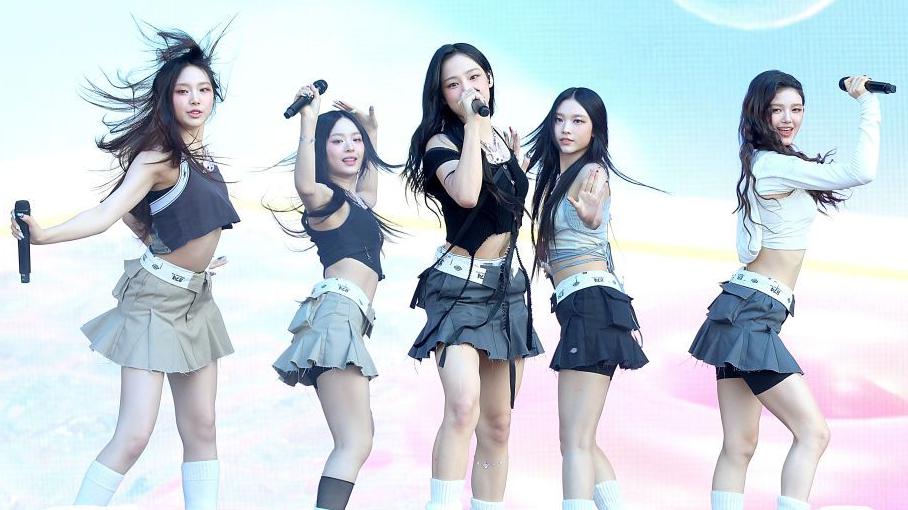
NewJeans: A Pattern of Struggle
This isn’t new territory for K-pop. Groups like EXO, GOT7, and LOONA have all faced similar challenges, fighting legal battles that can make or break their careers. It’s a high-stakes game where the artists often seem to have the most to lose.
The group has been careful in their messaging, assuring fans that this is a temporary setback. With their first court hearing scheduled for April 3, 2025, there’s still hope. But in an industry known for its complexity, nothing is ever simple.
What It Means for the Future
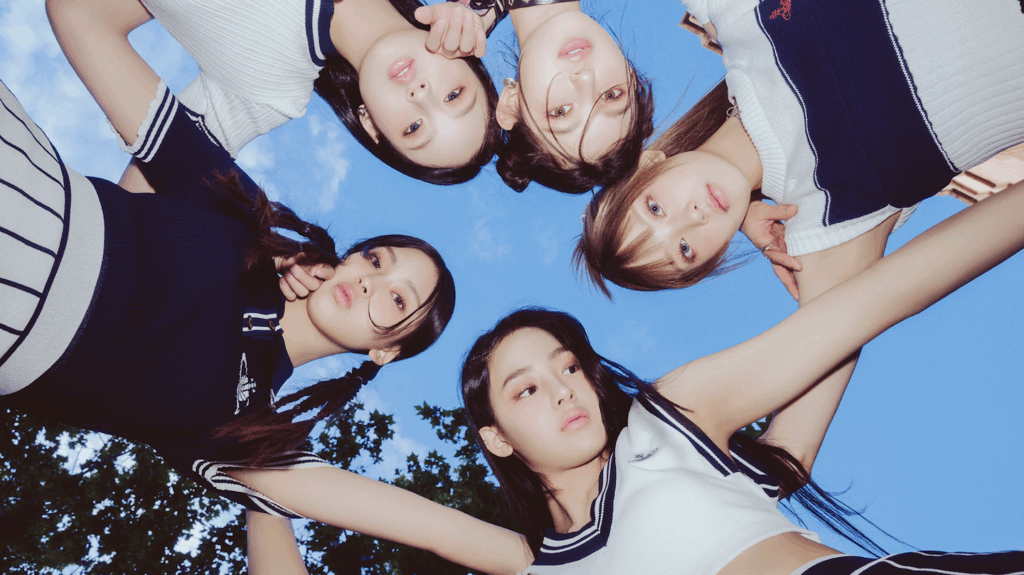
The uncertainty surrounding NewJeans’ future casts a shadow over their previously meteoric rise, leaving fans in a state of anxious anticipation.
The outpouring of support, however, also highlights the deep connection between idols and their followers, and the collective hope that NewJeans can overcome these hurdles and continue their journey on their own terms.
This situation has undeniably become a rallying point for discussions about fairer treatment and greater artistic freedom within the K-pop industry, potentially paving the way for more artist-centric approaches in the future.
Nevertheless, NewJeans’ situation is more than just a personal struggle – it’s a potential turning point for how K-pop treats its artists. As the global music scene continues to watch, many are hoping this could be the moment that sparks real change in an industry that’s long needed it.
For now, fans are left waiting, hoping, and supporting the group through this challenging time. One thing’s for certain: this won’t be the last we hear of NewJeans.