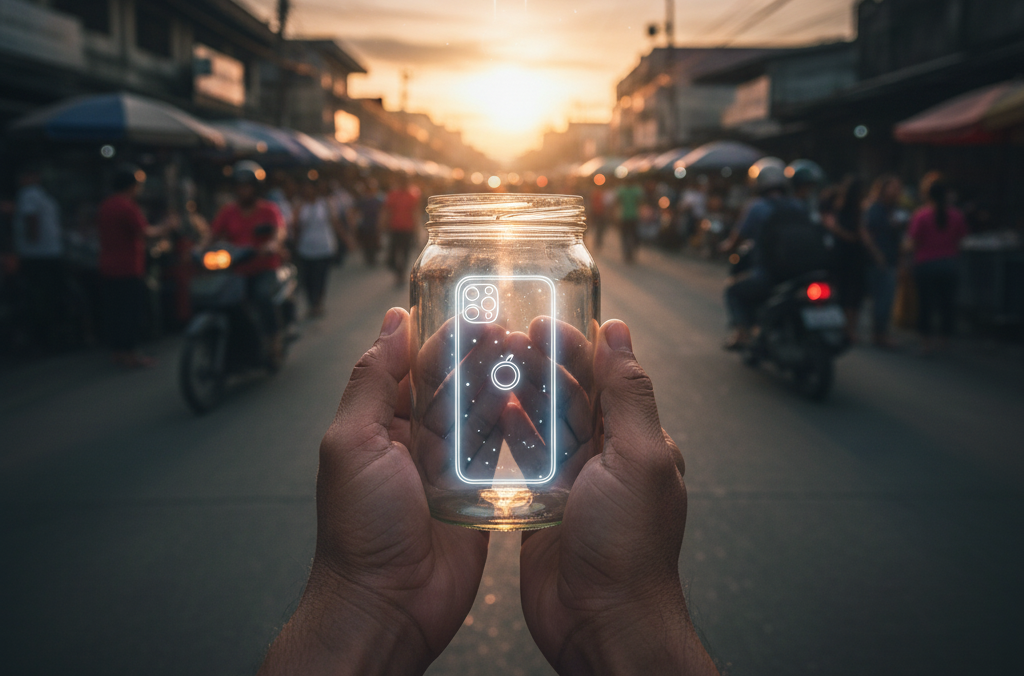
The iPhone 17 Pro has officially arrived in the Philippines. It’s sleek, fast, and built for those who crave the latest in tech design and performance.
But behind the excitement lies a number that’s hard to ignore: 101 working days. That’s how long the average Filipino needs to work, without spending on anything else, to afford the iPhone 17 Pro (256 GB).
According to the 2025 iPhone Affordability Index by analytics firm Tenscope, the Philippines is among the most expensive countries in Asia to buy an iPhone relative to income.
The result isn’t just about money. It’s a reflection of how technology and aspiration continue to intersect in Filipino life.
The official numbers
When Apple Philippines announced the iPhone 17 lineup in September, fans already expected two things: a major performance jump and a steep price.
The iPhone 17 Pro now runs on the A19 Pro chip with a 3-nanometer architecture, upgraded cameras, and improved battery life.
Here’s the official pricing from Apple’s website:
- ₱57,990 – iPhone 17 (256 GB)
- ₱79,990 – iPhone 17 Pro (256 GB)
- ₱101,990 – iPhone 17 Pro (512 GB)
- ₱116,990 – iPhone 17 Pro (1 TB)
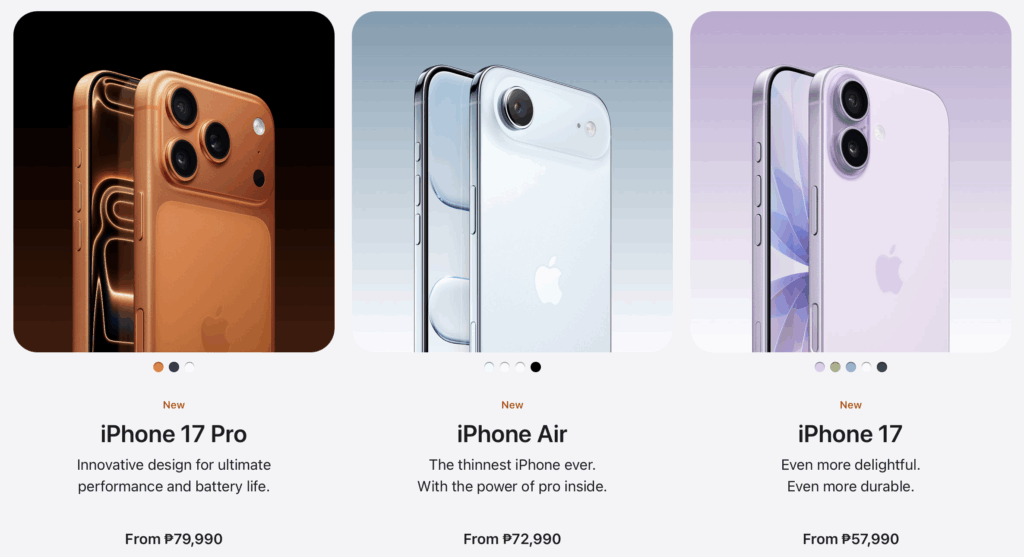
With Metro Manila’s minimum daily wage at around ₱610, it would take more than three months of full-time work to afford even the base iPhone 17 Pro.
For professionals earning ₱40,000 a month, the phone still costs about two months of salary.
Global pricing has stayed consistent — the same iPhone 17 Pro that costs around USD 1,199 in the US — but local incomes haven’t kept up.
The global gap
The Tenscope affordability index shows how the Philippines compares to its neighbors:
- United States – 5.7 working days
- Singapore – 9 working days
- Malaysia – 29 working days
- Philippines – 101 working days
It’s the same phone, the same technology, but a completely different experience depending on where you live.
Each Apple Philippines release brings excitement, but also a quiet reminder of how uneven access to innovation can be.
Why Filipinos still line up
Despite the numbers, the appetite for new iPhones hasn’t faded. Every September, long queues appear outside authorized retailers, and pre-orders flood online stores.
In the Philippines, an iPhone is rarely just a phone. It’s a symbol of progress, a personal milestone, and for some, a statement of stability.
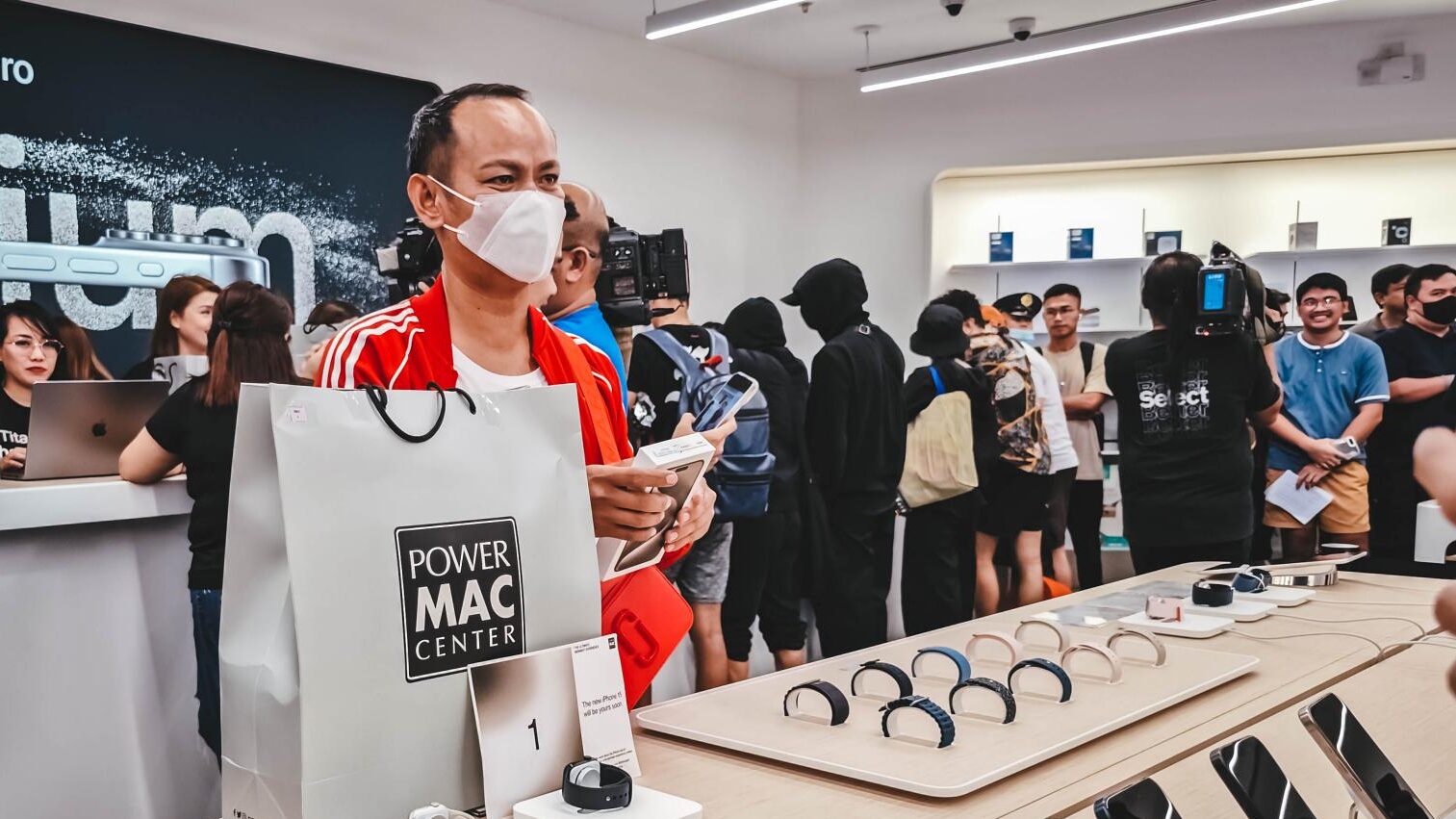
Gadgets like the iPhone aren’t only about function — they symbolize stability, success, and self-worth.
For many, owning an iPhone isn’t about impulse; it’s about reward — something earned through persistence and planning.
How Filipinos make it work
The iPhone 17 affordability challenge hasn’t stopped people from finding practical ways to buy one.
Installment plans and postpaid bundles are now the most common options. Globe and Smart both offer 24- or 36-month contracts with payments starting around ₱3,000 per month.

Apple’s trade-in program also helps by allowing customers to exchange older devices for credit toward new models. A well-kept iPhone 14 Pro can reduce the price of an upgrade by as much as ₱40,000.
Others wait for 0% interest promos or buy pre-owned units from trusted resellers. These habits show how resourcefulness, not recklessness, drives most buying decisions.
The real cost of 101 days
The iPhone 17 Pro Philippines price is more than a figure on a tag. It represents the time and effort Filipinos are willing to trade for a piece of modern technology.
For some, it’s a creative tool for photography or content work. For others, it’s a personal trophy—a way of saying they’ve made progress in a world that often measures it through screens.
Either way, the motivation is rarely shallow. It’s tied to ambition, belonging, and the satisfaction of reaching something once out of reach.
A mirror of modern aspiration
The 101 working days it takes to buy an iPhone 17 Pro tells a story about more than wages and pricing. It’s about a country that continues to dream, save, and adapt even when the odds are high.
Technology may move faster than income, but the Filipino instinct to push forward remains the same.
In the end, the iPhone isn’t just another luxury item. It’s a reflection of how far many are willing to go to stay connected — to the world, to opportunity, and to the future.