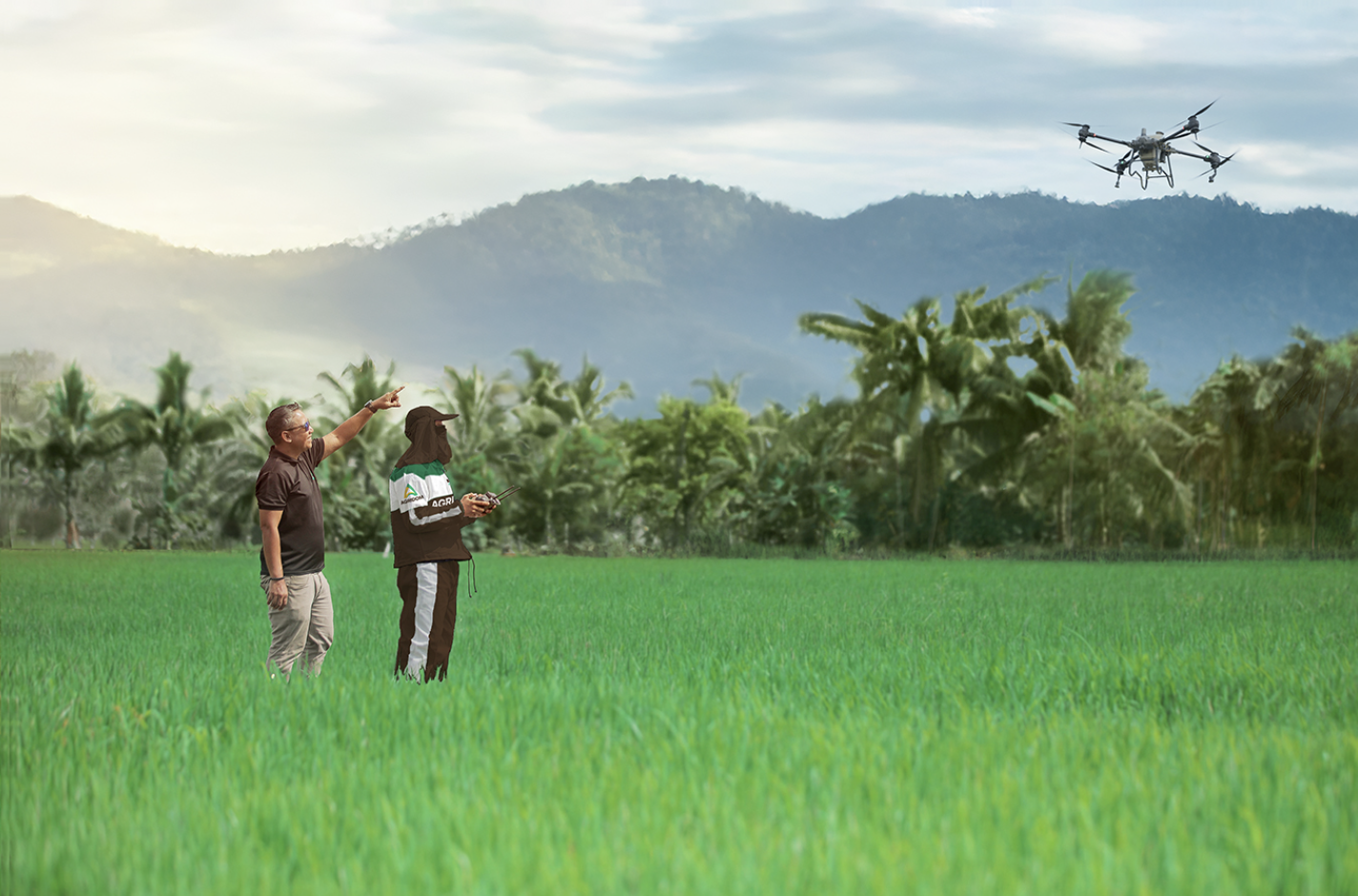
In the age of digital transformation, even the skies above Philippine farmlands are becoming part of the innovation landscape.
Drone technology — once associated only with photography and logistics — is now taking root in agriculture, reshaping how Filipino farmers plant, fertilize, and protect their crops.
During a recent multi-sectoral discussion among agricultural experts, regulators, and private stakeholders, the spotlight turned to how drones are redefining farm management and sustainability.
From increasing efficiency to ensuring precision in crop cultivation, technology is seen not merely as a convenience, but as a necessity for the country’s food security and competitiveness.

Drone technology driving agricultural innovation
Representatives from the Fertilizer and Pesticide Authority (FPA) and the Civil Aviation Authority of the Philippines (CAAP) highlighted the growing role of drones in enhancing productivity.
The FPA has introduced initiatives such as a memorandum circular allowing off-label use permits for licensed drone operators — aimed at balancing innovation with safety and regulation.
“Drone technology is not just about modernization — it’s about changing mindsets,” said the Executive Director, Glenn Estrada of DA-FPA. “We are helping farmers understand that technology is their ally in producing more while using less,” he added.

Photo shows, from left: Dir Glenn DC. Estrada (DA-FPA), Benedict Jardinero (IRRI), Capt. Rhoda Bathan (CAAP), Capt. Rhoda Bathan (CAAP), and Mariko Yasuda (Marketing and PR Director of SF Group of Companies Inc.)
From aerial seeding to precision spraying of fertilizers and pesticides, drones allow farmers to cover larger areas faster and more uniformly. This precision helps reduce waste, promote safer chemical use, and protect the environment — addressing both productivity and sustainability goals.
Balancing innovation and safety: The new frontier of regulation
CAAP officials acknowledged ongoing challenges in public perception and policy alignment. “People tend to see drones as a threat—to security, to privacy, but with proper information and coordination among agencies, we can turn these fears into opportunities.” said Captain Rhoda Bathan of the Civil Aviation Authority of the Philippines (CAAP).
The conversation also underscored the need for clearer jurisdiction and updated regulations. With drone technology evolving rapidly, CAAP, the Department of Agriculture, and other agencies are working to keep oversight in step with innovation. Inter-agency consultations and stakeholder hearings are paving the way for more harmonized policies.
Innovation driving inclusivity in PH agriculture
Experts from the research sector, including those from the Philippine Rice Research Institute (PhilRice), emphasized inclusivity as a central challenge.
While drones have proven effective for large farms, smaller landholders — the backbone of the country’s agriculture — must also benefit from digital transformation.
By promoting clustered or cooperative-based drone operations, small farmers can share access to these technologies, reducing costs while building a networked farming system that supports precision agriculture.
Data and AI driving the future of farming

From left: Dir Glenn DC. Estrada (DA-FPA), Benedict Jardinero (IRRI), Jennifer Joy Subang (Co-founder and Chief of Operations (COO) of AgriDOM Solutions Corp), Capt. Rhoda Bathan (CAAP), Dominador Subang (CEO of AgriDOM Solutions Corp), Capt. Rhoda Bathan (CAAP), and Mariko Yasuda (Marketing and PR Director of SF Group of Companies Inc.).
Looking ahead, the integration of artificial intelligence (AI) and blockchain technology could push Philippine agriculture toward a more data-driven future. Every drone flight can collect valuable data — on crop health, soil condition, and weather patterns — that fuels smarter decision-making.
“With good data, AI can transform how we farm,” said Benedict Jardinero, Manager of International Rice Research Institute (IRRI). “It will enable transparency, traceability, and long-term sustainability.”
Officials believe that in five to ten years, Philippine farms will see drones operating autonomously, analyzing crops in real-time, and linking directly with digital platforms that connect farmers, suppliers, and regulators.
A shared vision for sustainable growth
The consensus among public and private sectors is clear: drone technology represents not just a tool but a transformative shift in the country’s agricultural landscape.
By aligning policy, research, regulation, and education, stakeholders aim to ensure that no farmer — big or small — is left behind in the digital revolution of agriculture.
As Dominador Subang, Chief Executive Officer of AgriDOM, puts it: “All vehicles should be properly registered — and that includes the chemicals they carry, which must follow strict protocols and registration. At AgriDOM, we make sure to comply with every regulation, and while it’s not easy, we do our best because it’s the right thing to do. But we also need to think of others who are not yet complying. That’s where we must come together as one group.”
“Moving forward, registration should not only cover drones but also other emerging technologies. If we truly want to prepare for the future of the Philippines, we must start building systems that ensure innovation goes hand in hand with safety and responsibility,” he added.