
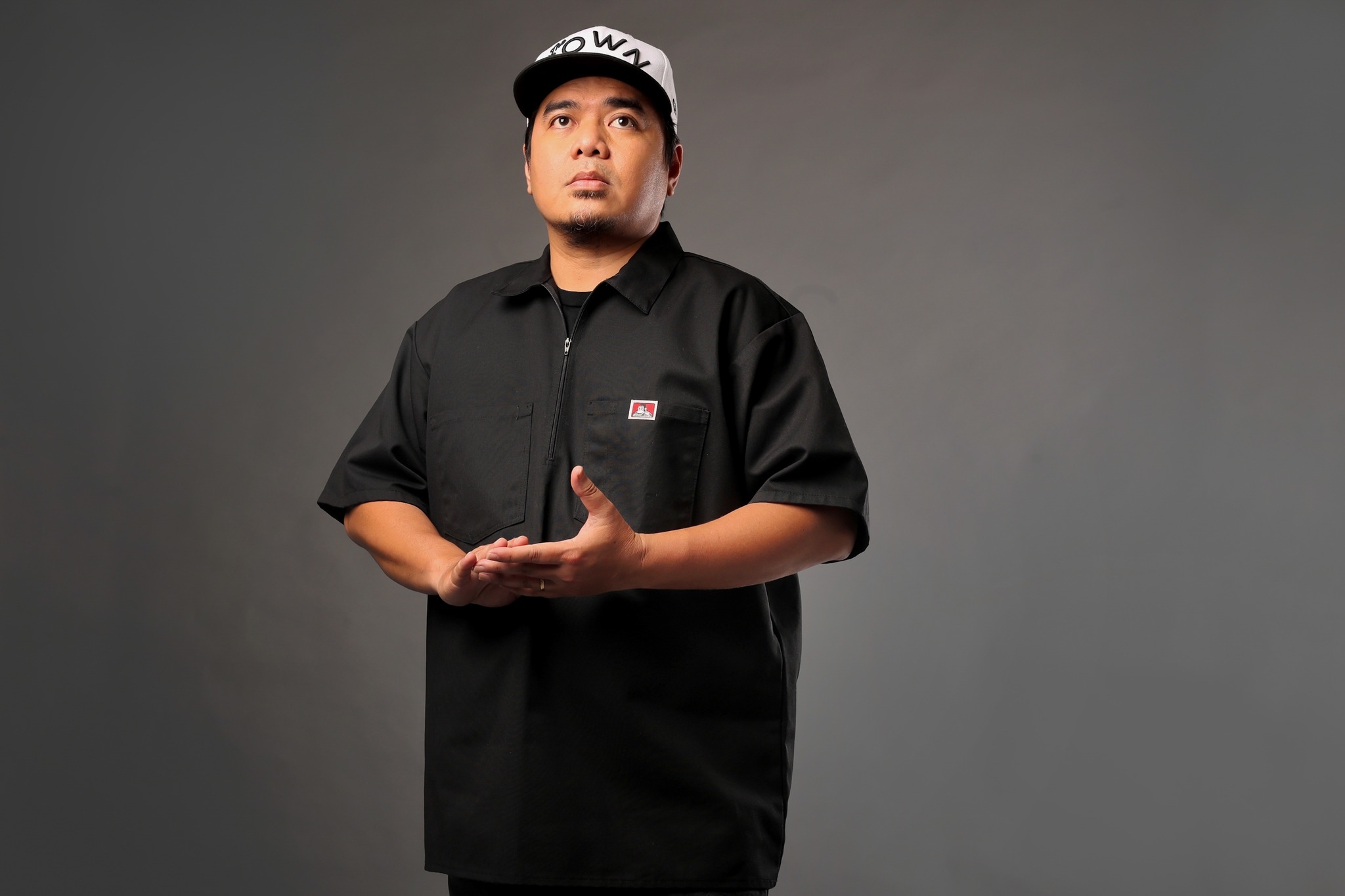
Sixteen years after its release, Gloc-9’s socially charged rap track “Upuan” is dominating timelines once again. What was once a sharp commentary on inequality and indifference among those in power has resurfaced as a rallying cry for Filipinos frustrated by fresh corruption scandals tied to flood control projects.
On TikTok, Twitter (X), and Facebook, the song has become a soundtrack for protest clips, memes, and social media posts, calling out the government’s failure to protect citizens from rising waters and rising graft.
A song born from experience
Released in 2009 under Gloc-9’s Matrikula album, “Upuan” paints a vivid picture of officials seated in comfort while ordinary citizens endure hardship.

Gloc-9 — real name Aristotle Pollisco — wrote the song during his nursing student days, drawing inspiration from long hospital shifts and the struggles he witnessed firsthand. Its opening line, “Kayo po na nakaupo, subukan n’yo namang tumayo,” is both a challenge and a plea: to step out of privilege and see the real condition of the Filipino people.
Back then, the track became an anthem for the voiceless, cementing Gloc-9’s reputation as one of the country’s sharpest social commentators. By 2010, it had already won “Song of the Year” at the Awit Awards — the first rap track in history to do so.
Why it’s trending in 2025
Fast forward to today, and “Upuan” has found new life amid public outrage. Reports of billions wasted on “ghost” flood control projects, delays in master plans, and repeated inundations across Metro Manila have reignited discussions on corruption and accountability.
Filipinos online began using the track’s lyrics to soundtrack protest videos showing flooded streets, evacuation centers, and daily commuters trudging through knee-deep water. TikTok edits show shots of politicians and their families at lavish events, flaunting their luxurious lifestyles while several parts of Luzon are submerged in flood.
This underscores the stark divide between those in power and those enduring the consequences of failed infrastructure, including recent allegations against a contractor named Sarah Discaya, whose firms reportedly cornered a significant portion of the flood control budget.
The outrage has been further fueled by news reports of a mid-level DPWH official attempting to bribe a congressman, a case reported by Batangas Rep. Leandro Leviste, highlighting the brazenness of corruption within the agency tasked with building vital infrastructure.
The timelessness of protest music
What makes “Upuan” particularly powerful is its evergreen message. Corruption scandals may change names and faces, but the systemic issues remain the same: inefficiency, lack of long-term planning, and misplaced priorities. Each time public frustration boils over, songs like “Upuan” return as cultural touchstones.
This isn’t the first resurgence. In 2022, Gloc-9 performed the song at a Leni Robredo campaign rally, where it served as a rallying anthem for progressive voters. Even then, its lyrics resonated across political divides, proof of its enduring relevance in Philippine society.

Now, in 2025, its revival demonstrates how music can act like a time capsule, bridging generational frustrations with familiar words and beats.
Social media as a protest stage
The digital landscape has amplified the song’s reach. Platforms like TikTok and Instagram Reels thrive on nostalgia, remixing older tracks for new contexts. For Gen Z and younger millennials, who may have been children when “Upuan” first dropped, the track feels both fresh and urgent.
Creators splice its verses into short clips of flooded jeepneys, impassable streets, and workers wading through water. Others pair it with speeches from Senate inquiries into the ₱1.14 trillion flood control budget, layering Gloc-9’s verses over soundbites of officials promising solutions. The irony hits hard, and audiences respond with shares, stitches, and duets.
From streets to screens — The real-life context
Behind the virality lies a grim reality. This July, Metro Manila saw more than 500 flood-affected zones, paralyzing commutes, schools, and businesses. Allegations that contractors pocketed billions through ghost projects have fueled resentment.
In this climate, “Upuan” functions less as nostalgia and more as an indictment. Its verses, written over a decade ago, read like today’s headlines. As one tweet put it: “We’ve changed administrations, but not positions — those in power still sit pretty while we drown.”
Gloc-9’s legacy as a voice of the people
For Gloc-9, whose discography often leans toward social realism, the renewed popularity of “Upuan” underscores his lasting influence. Other hits like “Sirena” and “Walang Natira” also blend storytelling with social critique, making his work resonate across generations.
The artist himself has remained relatively quiet about the song’s resurgence, but his career has long demonstrated a commitment to giving voice to marginalized narratives. Whether or not he intended “Upuan” to trend again in 2025, its revival cements his role as one of the Philippines’ cultural truth-tellers.
The power of music as protest
History shows that music often becomes the pulse of dissent. From folk protest songs in the Marcos dictatorship era to hip-hop anthems of the 2000s, Filipinos have leaned on art to articulate frustrations when words alone don’t suffice. “Upuan” continues this tradition, transcending time and context.
It reminds us that protest isn’t just about placards and marches — it’s also about reclaiming cultural tools, remixing them, and turning them into viral symbols of accountability.
The return of Gloc-9’s “Upuan” proves that great protest music never dies — it waits. In the face of corruption scandals, budget controversies, and floods that drown both homes and hope, the song resonates louder than ever. Its revival on social media reflects not only nostalgia but also urgency: a generation demanding better, frustrated that little has changed since 2009.
As Metro Manila continues to wrestle with rising waters, Gloc-9’s timeless lyric remains a challenge: “Kayo po na nakaupo, subukan n’yo namang tumayo.” Sixteen years later, the call still echoes — and perhaps, this time, it’s louder than the floods themselves.