

You’ve got the brand voice, the template, and even the content planned out. The big question then becomes: where should you tell your brand story — in print, or on TikTok?
With so many channels available, it can feel overwhelming. Both traditional and digital media have their strengths — and knowing where to tell which part of your story is the key to effective PR and marketing.
Here’s how you can choose the medium that suits your story best.
Why your brand story needs multiple channels

Filipino audiences consume media in countless ways. Some still read newspapers and community bulletins, while others spend hours scrolling on TikTok or Facebook.
To earn their trust, your brand needs consistency — telling the same story across platforms, but tailoring it to each format to build credibility and recognition.
According to Alexander Duca, a digital marketing expert who trains PR professionals on campaign strategy, clarity is crucial before jumping into any campaign. “Step one is having a clear objective,” he said. “When you work with a client, you need to ask: what is the goal of this campaign? Do you want awareness, engagement, or sales? Many clients don’t really know — and that’s where strategy comes in.”
With the guidance of a skilled PR agency in the Philippines, you can map out which parts of your story belong in print and which work best in digital. This ensures that whatever channels you use complement each other and maximize your reach.
What works best in traditional media

While we live in the digital era, traditional media like print isn’t dead — it just serves a different purpose.
Here’s when it works best:
Publishing long-form features — Print publications often run feature articles that explore your brand’s journey, challenges, and successes in depth. This makes them ideal for founder stories, advocacy work (CSR or charity initiatives), thought leadership pieces, and milestone achievements.
Establishing credibility and authority — Newspapers and magazines remain highly trusted sources in the Philippines. If your story appears in the Philippine Daily Inquirer or Manila Bulletin, it immediately signals credibility.
Reaching out to communities — Local newspapers and barangay bulletins are excellent for grassroots PR. If you’re opening a store or launching a community project, print ensures that neighbors and local stakeholders hear about it.
What works best in digital media

Digital media thrives on flexibility, interactivity, immediacy and engagement. Here’s what it’s best used for:
- Posting real-time updates — Launching a promo or an event? Facebook, Instagram, and TikTok are the fastest ways to get the word out.
- Harnessing engagement and feedback — Unlike print, digital platforms allow conversations. Customers can react, comment, and share — helping spread your story organically.
- Providing visual storytelling — Short videos, infographics, and behind-the-scenes content shine online. Think quick reels of your team at work, a customer unboxing your product, or glimpses of your brand’s day-to-day culture.
Duca also noted that engagement isn’t just about getting likes or shares, but understanding what drives interaction. “If your post has no engagement, it means you didn’t pay attention to your audience,” he said. “Engagement, whether it be on Facebook or on TikTok, tells you whether your message is reaching people who actually care.”
He added that brands should always define what success looks like: “Each campaign needs a call to action — a CTA button. It could be ‘Shop Now,’ ‘Send Message,’ or ‘Learn More.’ Without that, your Facebook, IG, or TikTok campaign is just about information, not action.”
Print and TikTok: How to integrate both
Don’t treat traditional and digital media as separate worlds. Although they differ in approach and impact, they work best when used together.
- Cross-promotion — Mention your social channels in print ads and share your print coverage online.
- Story sequencing — Use print for deep storytelling (e.g., feature articles) and digital for amplification (e.g., short clips, infographics).
- Audience targeting — Use print to build credibility among older demographics and digital to reach younger ones.
As Duca pointed out, testing and targeting are essential for success. “You can’t just have a story published in a local newspaper or post new content on FB or TikTok and hope for the best,” he said. “You need to test which audience your content will resonate with — maybe Metro Manila, Cebu, or Davao. The goal is to find where your story performs best and then build on that.”
For example: if your bakery is featured in The Philippine Star, share the article on Facebook along with a behind-the-scenes video of your signature bread being baked.
This way, one story lives across two worlds. There’s always a special charm in saying, “We were featured in this publication!” after all.
Common mistakes to avoid
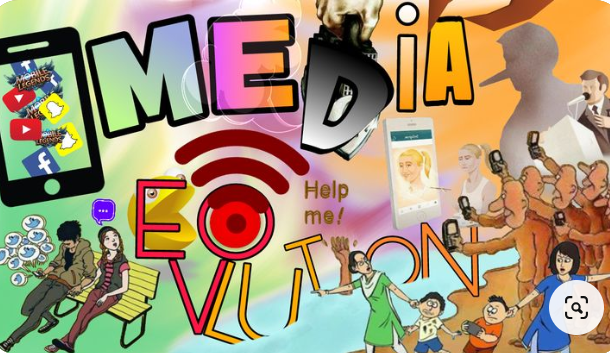
Brands — especially new ones — often assume that using a single channel is enough. Think of PR as an investment: to maximize your reach and impact, you need to diversify.
However, don’t let this diversity dilute your message. Keep your tone and story consistent across every platform — be it in traditional media (like newspapers) or digital media (FB, IG or TikTok).
Also, never underestimate hyperlocal publications. They’re a powerful tool for small businesses looking to connect directly with their communities. Partnering with local press outlets helps establish visibility and credibility in your area.
In short: both traditional and digital media can strengthen your visibility and credibility.
Why PR agencies are essential

With a PR agency by your side, you don’t need to worry about maintaining seamless storytelling across multiple platforms.
They handle the legwork — from pitching your story to print and digital outlets to managing optimal content distribution.
PR agencies are experts at crafting tailored content that keeps your messaging consistent and integrated. On top of that, they already have established media connections that you can tap whenever your PR plan calls for it.
For new businesses, partnering with a PR agency that understands both traditional and digital media gives you the best of both worlds.
The right stage for your story
Print and digital media are not rivals — they’re partners in amplifying your brand story. Print gives you credibility and depth, while digital provides speed, visuals, and interaction.
Together, they create a powerful narrative that makes your brand memorable.
With a well-planned PR strategy, you can put the right story in the right place — and ensure it’s heard everywhere it matters.