As Philippine cities pulse with urban life, a profound culinary shift is blossoming — restaurants and chefs are forging meaningful links between the field and the table. The farm-to-table movement is no longer a trend but a transformative force in cities like Metro Manila, Baguio, Davao, and beyond.
This movement prioritizes hyper-local sourcing, sustainable practices, and a genuine partnership with Filipino farmers.
In 2025, this sustainable dining is not just reshaping menus, but also empowering communities, promoting environmental responsibility, and delighting diners with food that tells a story of place and purpose.
Where the movement thrives: Restaurants leading the way
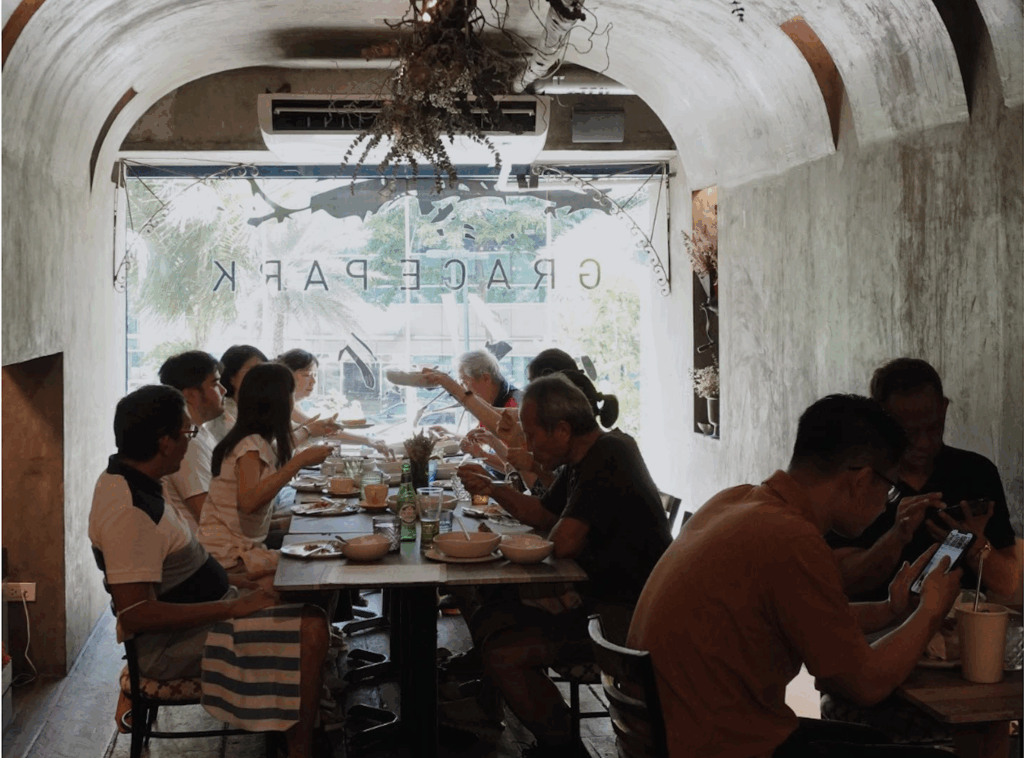
A typical scene at Grace Park restaurant, founded by acclaimed chef Margarita Forés
Several restaurants stand out for putting farm-to-table and sustainability at the heart of their operations:
- Grace Park (Metro Manila): Founded by acclaimed chef Margarita Forés, Grace Park exemplifies sophisticated simplicity. The restaurant champions ingredients sourced across the archipelago, regularly highlighting the work of Filipino farmers. Dishes such as Fried Squash Flowers and Butter-Garlic Chicken celebrate produce at the peak of freshness, linking plate and place directly.
- Bistro Lokal (Baguio City): Chef Miko Dy’s seasonal degustation menus are a love letter to Northern Luzon’s indigenous flavors. Each meal’s harvest is dictated by what’s ripe in partner plantations on a given day, highlighting the depth and surprise of true farm-to-fork dining.
- 25 Seeds (Pampanga): Chef Sau del Rosario reinvents Kapampangan classics using ingredients from plantations in North Luzon, prepared in a restored ancestral mansion which is a statement of tradition and innovation.
- Farmer’s Table (Tagaytay): Nestled at Nurture Wellness Village, Farmer’s Table draws inspiration from Tagaytay’s lush farms. Many of its vegetables and herbs are grown onsite or sourced from neighboring smallholders, showcased in creative Filipino classics.
- Balik Bukid Farm & Kitchen (Davao): With interiors made from upcycled materials and a commitment to scratch-made local comfort food, Chef Paolo Garcia’s restaurant integrates farmers’ work into every facet, from composting to menu design.
- The Wholesome Table (Manila): With multiple locations, it champions nutritious, naturally sourced ingredients. Chef Raymond Palmez and the team prioritize partnering directly with local plantations, and plan to create a dedicated cropland for even more traceable sourcing.
Other notable mentions include Rolando’s Farm to Table Restaurant in Quezon City and innovative establishments in Cebu and Dumaguete experimenting with sustainable operations and energy-efficient initiatives.
Building partnerships: Farmers and chefs as allies

Farm-to-table dining in the Philippines depends on relationships that transcend mere logistics. Chefs have become regular visitors to local plantations, learning about harvest cycles, crop challenges, and growing practices. Farmers, in turn, gain reliable buyers, improved economic stability, and recognition as vital partners in food culture — fostering a virtuous cycle of respect and fair trade.
Special initiatives like collaborative dinners — such as the celebrated Holy Carabao Farms partnership with Old Manila — have educated diners about the vital role farmers play and the profound impact of choosing local, seasonal food.
At events like the upcoming 2025 Terra Madre Asia & Pacific in Bacolod, stakeholders from across Asia will gather to exchange ideas on food biodiversity, ethical sourcing, and sustainable cuisine.
Beyond the plate: Reducing environmental impact

Sustainability in urban Filipino restaurants means more than “local is best.” Many establishments take holistic steps: composting kitchen waste, using upcycled décor and furniture, opting for biodegradable materials, and curating menus that change with the seasons, thereby slashing food miles and minimizing spoilage.
In Cebu’s green-minded eateries, energy efficiency, water conservation, and waste management are now routine, with management fully adopting environmental practices to reduce ecological footprints.
Chefs and owners also actively educate staff and customers, making sustainability a shared mission. Diners are encouraged to participate, whether by bringing reusable containers, supporting restaurants that champion local farmers, or ordering only what they can finish to reduce food waste.
A movement that nourishes people and planet

The Filipino farm-to-table movement thrives on diner participation. Guests are increasingly discerning, asking where ingredients are sourced, recognizing seasonality, and choosing restaurants abuzz with social and environmental purpose.
By opting for hyper-local dining, each visit becomes a vote for healthier meals, more resilient food systems, and a future where farmers are at the table as honored collaborators, not just suppliers.
In 2025, the Philippines steps confidently onto the world stage as a hub for sustainable gastronomy, hosting landmark events meant to celebrate food biodiversity and shape food systems for resilience and justice. The country’s best and brightest chefs are building new traditions — rooted in heritage but forward-looking, deliciously creative, and morally grounded.
As more Filipino cities join the movement, the journey from farm to feast promises to nourish both people and planet, leaving an indelible mark on Philippine identity.
Every dish served in these pioneering establishments is more than a meal — it’s a celebration of living traditions, seasonal bounty, and a better future crafted right here in the Philippines.