Third Spaces are becoming the ultimate refuge for urban Filipinos as the high-pressure December rush highlights the need for social environments outside of home and work.
While the sun dips below the Quezon City skyline on a humid afternoon, a neighborhood café settles into its second life. Outside, the holiday rush is in full swing — jeepneys are packed with shoppers, and the air is thick with the scent of bibingka and car exhaust. But inside, the world slows down.
A freelance designer sits near a wall outlet, framed by a capiz-decorated window, alternating between typing and watching the parols sway in the breeze. Two friends talk quietly over shared pastries, stretching a conversation through its second hour.
At the counter, someone reads behind noise-canceling headphones, their coffee long since cooled.
No one looks like they are passing through. Across Philippine cities, spaces like this—cafés, co-working hubs, bookstores, and community kitchens—have become essential fixtures in the Filipino routine. Sociologists call them “Third Spaces.” They are not home (the first space) and they are not the office (the second space).
During the Christmas season, these places take on a sacred role: they are the only rooms left where one can simply linger without the pressure of productivity or the chaos of holiday hosting.
Living between compressed spaces
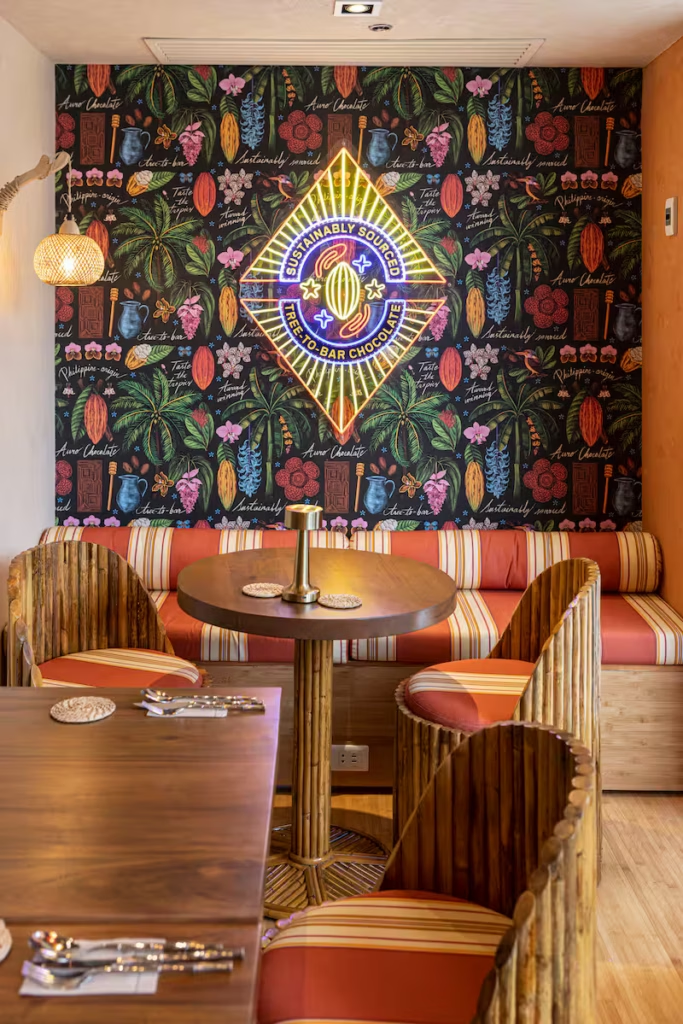


Urban life in the Philippines is famously shaped by density. In many Metro Manila households, square footage is a luxury negotiated between multi-generational families. Commutes, exacerbated by “Christmas traffic,” can consume three hours of a person’s day.
As hybrid and remote work arrangements became the post-pandemic norm, the boundaries between rest and labor dissolved. Bedrooms became call centers; dining tables became boardroom hubs.
The act of “leaving work” became less about logging off and more about a physical necessity to exit the front door.
For many, the Third Space has become a way to reclaim that boundary. “You arrive when you want. You stay as long as you need. You leave without explanation,” says one regular at a Makati co-working hub. It is a gift of autonomy in a season usually governed by strict schedules and family obligations.
From cafés to community kitchens
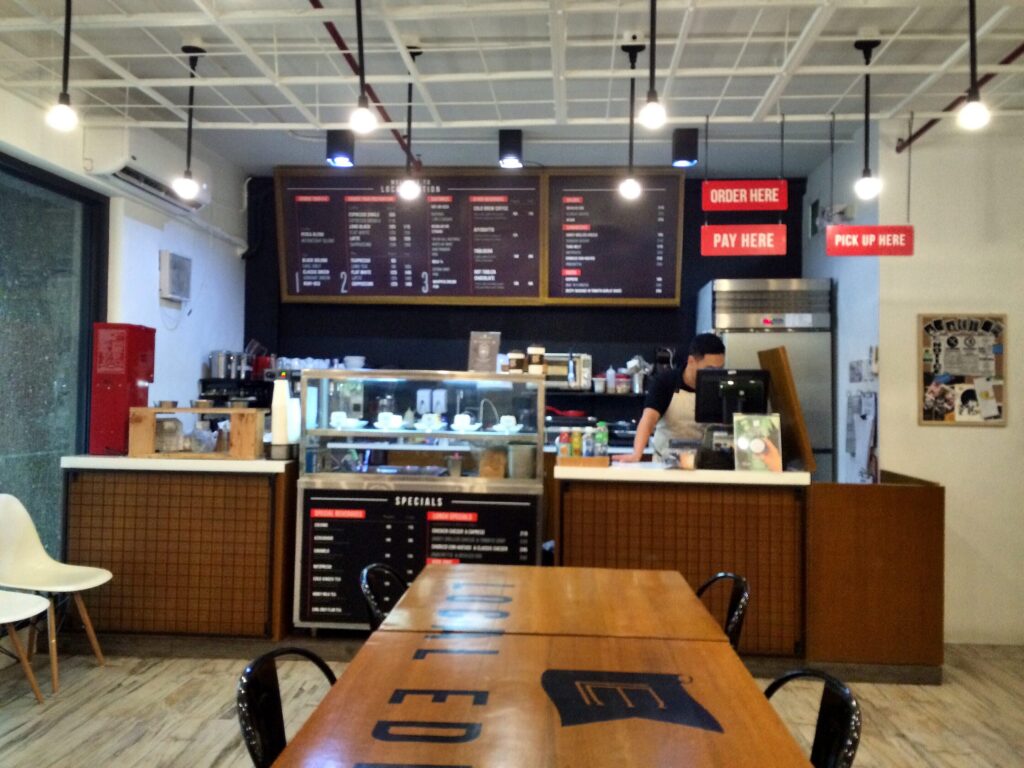
While cafés are the most visible Third Spaces, their function has shifted. They are no longer just pit stops for caffeine. Design choices now signal that staying is encouraged: outlets are placed within reach, seating is ergonomic, and “lo-fi” holiday beats fill the room without dominating it.
Beyond the coffee shop, other formats are emerging:
- Co-working as rhythm: Unlike corporate offices, these spaces accommodate work without demanding constant “busyness.” Small teams gather for in-person days, while freelancers claim familiar desks to avoid the isolation of a quiet apartment.
- The quiet rooms: Independent bookstores and art spaces offer a slower pace. Here, silence is shared, not enforced. In the middle of the loudest month of the year, these spaces provide a setting where “being present” is the only requirement.
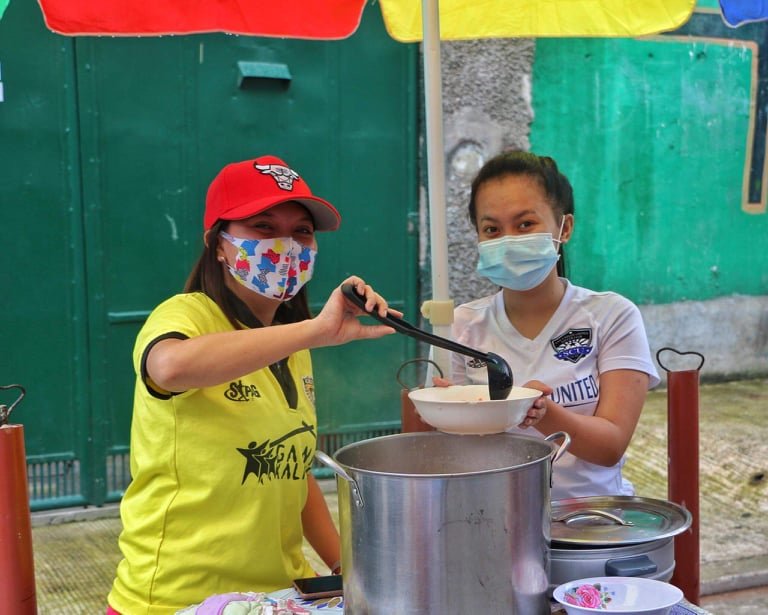
- Shared tables: Food-centered third spaces, like community kitchens, gather people around the act of cooking. Strangers cook together, eat together, and leave without needing to exchange social media handles.
Design choices that shape behavior
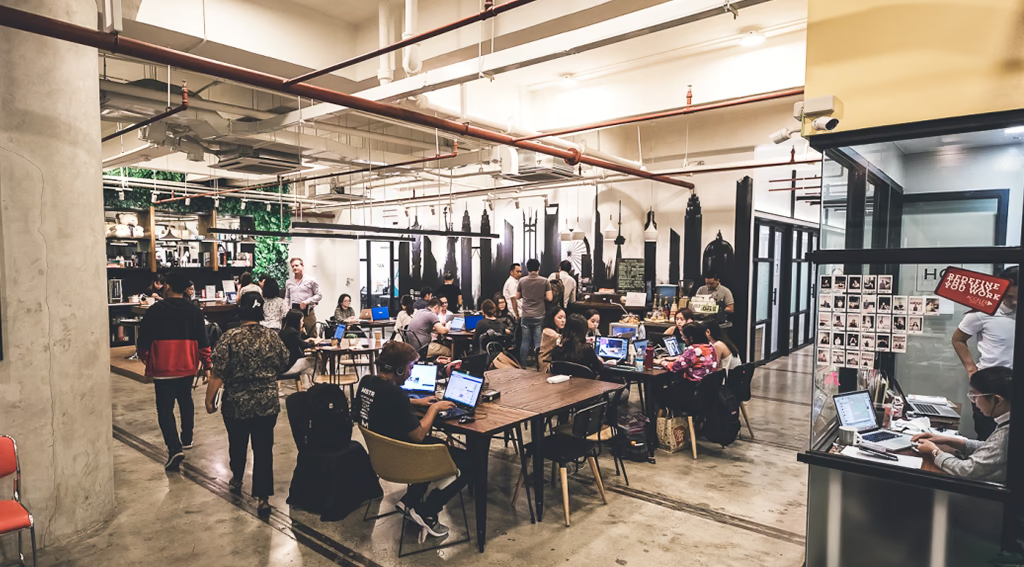

What turns a commercial establishment into a Third Space often comes down to small decisions. Comfortable seating signals that staying is acceptable. Accessible pricing reduces pressure to keep ordering. Stable Wi-Fi and charging points accommodate longer visits, while specific lighting and sound levels set a calm pace.
These details influence how people behave.
Over time, patterns emerge — regulars, familiar routines, and unspoken norms. A place becomes recognizable not through branding, but through repeated use. For many Filipinos, these spaces are folded into daily life: a café stop before logging on, or an afternoon spent reading somewhere quiet.
The interactions are brief and often wordless — a nod from the barista or a familiar face at the next table.
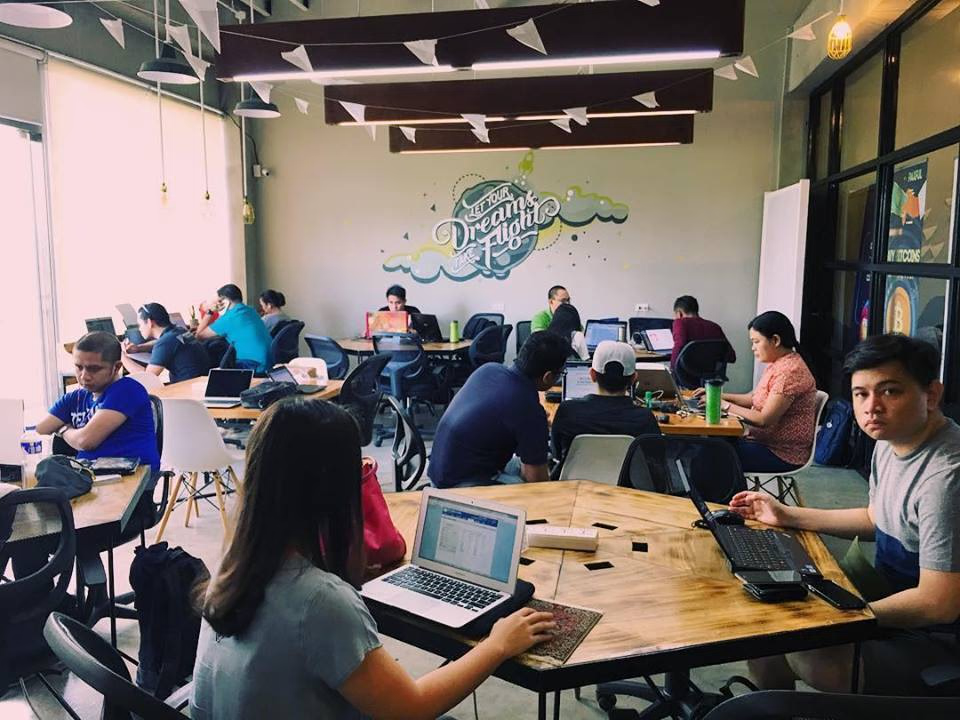
For many, co-working is less about output and more about rhythm — having a place where work happens, but does not overtake the entire day.
Access and the anchor of routine


Not everyone has equal access to commercial third spaces; time, cost, and location shape who can linger. In many communities, this role is filled by public libraries, barangay halls, church grounds, and covered courts — places where people sit, talk, or simply pass time together. While these spaces may not carry the same aesthetic, the behavior remains familiar.
As evening approaches on this Friday in December, the café grows quieter but does not empty.
Someone closes a laptop and opens a book. A chair is pulled closer to an outlet. A familiar customer is greeted by the barista with a nod, no order necessary. Nothing dramatic happens. There are no grand Christmas parties here, no exchange of gifts, and no loud music.
Instead, there is the gift of a shared, quiet presence — a reminder that in the middle of a bustling city and a frantic holiday, there is still a place to simply be.
Across Philippine cities, these moments repeat. People simply stay.