In an era where every post, pose, and pixel contributes to personal branding, fashion has become much more than just clothing. For many Filipinos today, it’s not about keeping up with the latest trends — it’s about making a statement, sharing a story, and reclaiming identity. Gone are the days when what we wore was merely decorative or functional. Now, it’s a powerful language of expression, emotion, and even protest.
From colorful streetwear to gender-fluid pieces and heirloom-inspired outfits, what we choose to wear reflects more than taste — it reveals our values, beliefs, and lived experiences. Fashion in the Philippines is evolving into a canvas for individuality and identity, and the stories told through fabric and thread are becoming more personal, more political, and more powerful than ever.
Wearing heritage proudly
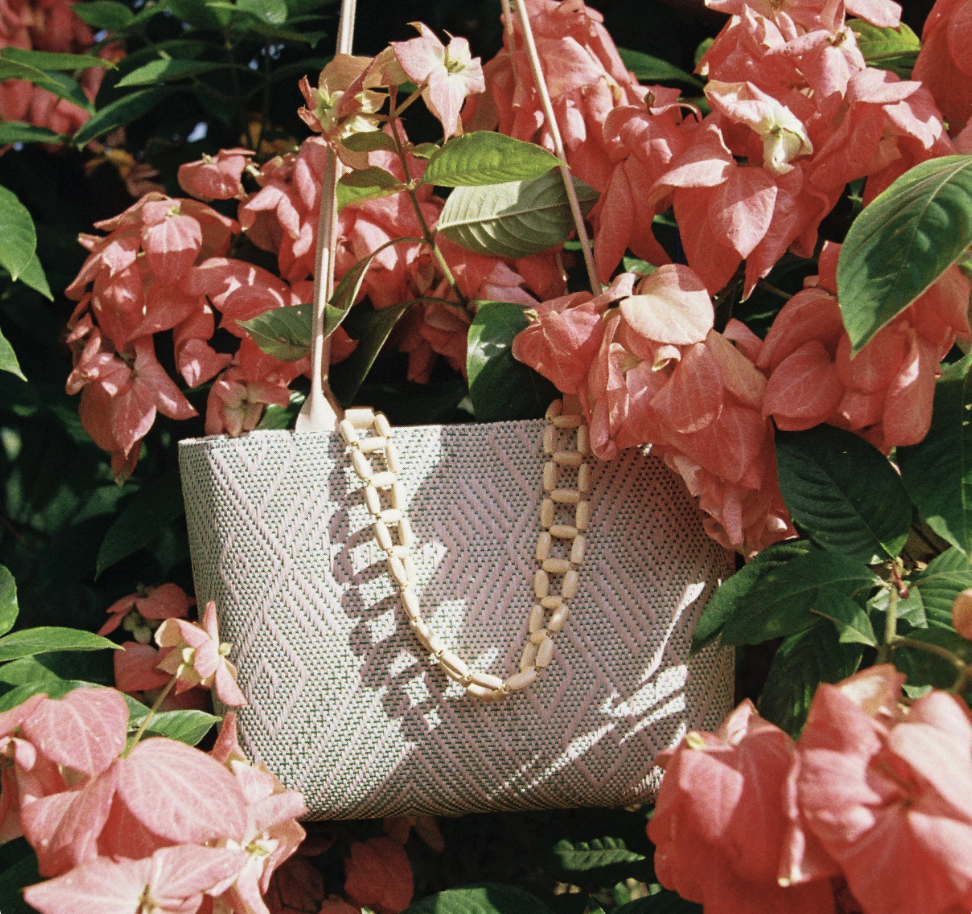
A growing number of Filipino designers and wearers are going back to their roots, infusing traditional textiles like Inabel, T’nalak, and piña into modern, everyday wear. The classic barong, tapis, and malong are being reimagined with contemporary cuts and silhouettes, making heritage wearable — not just for special occasions, but for daily expression.
This movement isn’t exclusive to the young. Older generations are embracing expressive fashion too, revisiting the past while confidently stepping into the now. Some seniors are rejecting the outdated notion that age should dictate modesty or restraint, choosing bold colors and daring styles to affirm that self-expression knows no expiration date.
Outfits as statements

Across generations, genders, and social classes, Filipinos are using fashion to speak volumes — without saying a word. An outfit can hint at a person’s stance on climate change, gender identity, political views, or cultural pride.
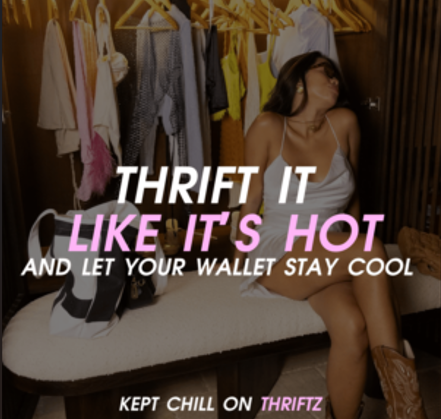
The popularity of ukay-ukay (thrift fashion), for instance, isn’t just about affordability. It also signals a deeper awareness of sustainability, individuality, and a quiet rebellion against fast fashion’s environmental cost.
In this way, clothing becomes an extension of one’s voice — visible even before someone speaks.
Youth, identity, and social movements

Fashion pieces from Rajo Laurel presented during his 25th year as a designer (IMAGE CREDIT: Preview)
The younger generation, in particular, is at the forefront of using fashion to question norms and challenge the status quo. Gender-neutral silhouettes, body-positive styles, and pride-themed accessories are making their way into local fashion scenes — and not just during Pride Month.
Influenced by global icons and digital platforms, Filipino youth are using clothes to signal cultural pride and progressive ideals. Thrifted jeans, vintage tees, and locally woven jackets come together in looks that are both stylish and statement-making.
Unisex clothing and neutral palettes are no longer niche. They’re redefining mainstream Filipino fashion, with designers like Ivar Aseron and Rajo Laurel leading the way. Their collections blur gender lines and mix indigenous materials with modern cuts, proving that fashion can be both inclusive and rooted in tradition. Streetwear brands like Hype Streetwear Manila and Pana Streetwear are also pushing boundaries by embracing floral motifs and oversized fits — styles that embrace gender fluidity.
When fashion becomes protest

Fashion has long been a symbol of resistance. From the black berets of the Black Panthers to the pink hats of the Women’s March, clothing has amplified voices during historic moments of dissent.
In the Philippines, that tradition is alive and well. During the 2025 Pride March Festival, participants wore rainbow-drenched ensembles made with traditional Filipino fabrics.
These weren’t just eye-catching outfits — they were acts of solidarity, merging queer visibility with cultural heritage. From embroidered slogans to symbolic colors, garments at the march showed how fashion can honor identity while demanding equality.
Dressing for the future

As we step into the digital age, fashion continues to adapt. Virtual clothing, AI styling tools, and metaverse wardrobes are reshaping how people express themselves online. Yet, even in pixel form, the purpose remains: to communicate who we are and what we stand for.
So, the next time you get dressed, remember — your outfit may be saying more than you think.
Did you know? The average person forms an opinion within seven seconds of meeting someone, and clothing plays a big role. So, what is your outfit saying today?