

Media and Information Literacy (MIL), which involves acquiring the skills to access, analyze, evaluate, and produce media content while understanding the ethical implications of media consumption and production, can empower vulnerable populations.
This article marks the beginning of a four-part series dedicated to exploring the importance of MIL in helping the Filipino youth navigate the complexities of the digital world safely and responsibly.
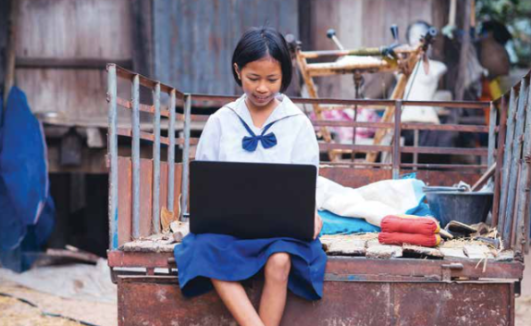
In today’s intricately connected digital landscape, vulnerable youth face unique and significant challenges in protecting themselves from the dangers that lurk online.
Due to their limited agency and the lack of critical discernment regarding the media they consume, these young individuals are often seen as easy targets by online predators.
Vulnerable youth frequently lack the resources and educational background necessary to effectively understand and evaluate media, making them more prone to exploitation and misinformation.
This underscores the essential role of media and information literacy (MIL) in equipping them with the ability to critically access, analyze, and assess media content. Such skills are particularly vital for those facing heightened risks and obstacles, as they contribute to safer and more informed online experiences.
Media and Information Literacy’s role in safeguarding a vulnerable youth
Filipino youth commonly encounter challenges such as misinformation, cyberbullying, and online exploitation. Their limited digital literacy leaves them susceptible to these risks, which is where MIL becomes indispensable.
By developing these skills, they learn to understand their online rights, navigate the digital environment with greater responsibility, and make informed decisions.
For instance, a young person who has developed MIL skills might recognize and avoid online scams by evaluating the credibility of a sales page. Similarly, they would be empowered to report online harassment to social media platforms, knowing they have the right to be safeguarded against such behaviors.
When vulnerable youth are aware of the risks they may face online and are equipped with the tools to protect themselves, their guardians can find reassurance in the fact that their charges are engaging in safer digital experiences.
Overcoming barriers

Vulnerable youth often confront substantial challenges in accessing and interpreting media. These difficulties can stem from limited access to digital resources, lower levels of literacy, and an increased susceptibility to misinformation and online risks.
Consider a scenario where children are not exposed to digital devices due to financial constraints. When they eventually gain access to gadgets like smartphones or tablets, they are at a higher risk of encountering online exploitation, scams, and misinformation simply because they lack early exposure to and training in digital literacy.
In essence, socioeconomic factors, educational background, and access to technology play a significant role in a young person’s ability to navigate the digital world securely.
So, how can these challenges be addressed? One solution is to ensure that every family has access to digital resources and reliable internet connectivity.
Governments could invest in producing more affordable technology for widespread use and provide subsidies to expand internet infrastructure across all regions. While this is a long-term goal, driven by the broader push for industrialization and global competitiveness, short-term measures are also necessary.
Policymakers can implement immediate solutions such as enhancing education and fostering community-based initiatives.
Empowerment through education
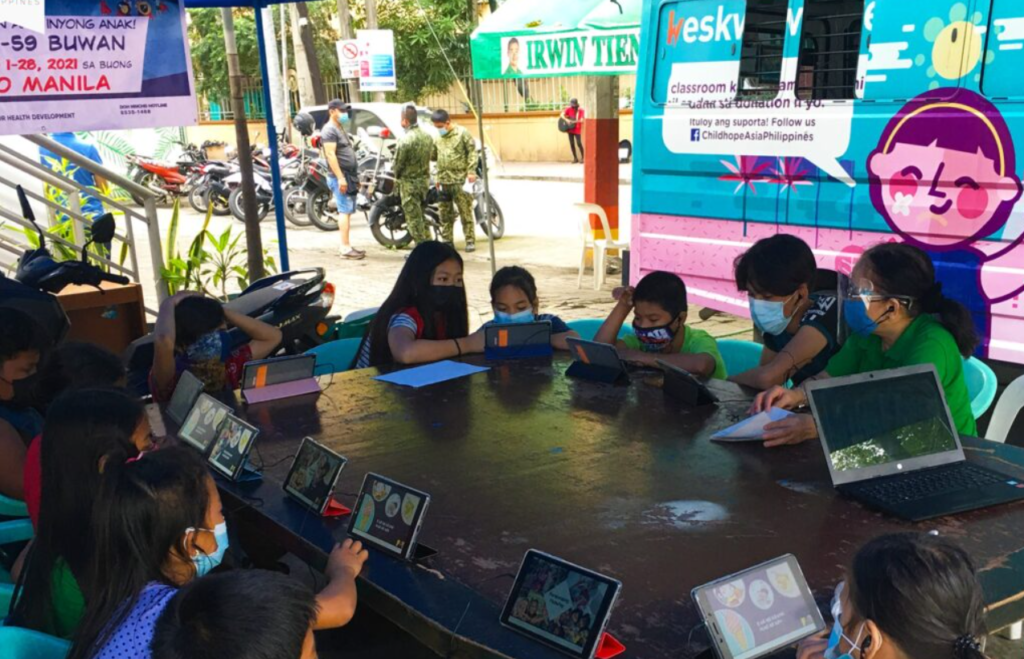
Integrating MIL education into school curricula is essential for empowering vulnerable youth. By learning MIL skills as part of their formal education, children can develop the critical thinking needed to navigate the digital world with confidence.
However, it is equally important to provide opportunities for students to apply and validate these skills through practical experiences, such as workshops and community engagement activities.
These initiatives can equip them with the tools to critically evaluate media content and confidently engage with digital platforms.
Creating effective Media and Information Literacy programs
Building successful MIL programs requires collaboration among schools, community organizations, and policymakers. Given that MIL education functions within an interconnected system, all stakeholders must contribute to its success.
To ensure MIL programs effectively serve vulnerable youth, they must be designed to be accessible, relevant, and engaging. Additionally, the integration of technology can enhance the learning experience. However, as previously discussed, challenges such as accessibility and inclusivity must be prioritized to ensure no one is left behind.
Moreover, empowering teachers through adequate training and financial support is key to the success of these programs, as educators play a pivotal role in delivering MIL education.
A call to action
Empowering the Filipino youth through MIL is a crucial step towards fostering a more informed, resilient, and inclusive society where everyone can safely and responsibly engage with the digital world.
When policymakers and educators prioritize MIL initiatives for the vulnerable youth, they contribute to creating a future in which every Filipino, regardless of their circumstances, can confidently and critically engage with the media.
This empowerment is essential for ensuring a safer and more informed online experience for all.
Therefore, it is imperative that stakeholders champion MIL education through supportive policies, resource allocation, and ongoing training for educators.
About Coach Boost Gio and Kwento Co
Kwento Co is a vibrant and diverse media and information literacy platform. We are a team of dedicated content creators, artists, influencers, and young entrepreneurs passionate about helping businesses of all sizes succeed through effective, brand-tailored digital marketing strategies.