As the vibrant tapestry of Philippine democracy prepares for the May 2025 elections, a silent, yet powerful force is at work, ensuring the integrity of the process: the Bangko Sentral ng Pilipinas (BSP).

While the nation’s focus often rests on the ballot boxes and bustling campaign trails, the BSP is diligently fortifying the financial backbone of the country, safeguarding it from potential misuse during the country’s election season, a crucial period.
In a move that underscores their commitment to a fair and transparent election, the BSP has issued a critical directive to all BSP-supervised financial institutions (BSFIs). Memorandum No. M-2025-006, released on March 23, 2025, calls for heightened vigilance, particularly in the realm of digital transactions.
In a world increasingly reliant on online banking and e-wallets, the central bank recognizes the potential for these platforms to be exploited for illicit activities, specifically vote buying and selling.
Imagine the bustling streets of Manila, the provincial markets, and the quiet barrios – all connected by the invisible threads of digital finance. While these technologies offer convenience and efficiency, they also present a new frontier for those seeking to undermine the democratic process.
BSP: Securing financial channels for fair elections
The BSP’s directive aims to secure these digital pathways, ensuring that the flow of funds remains transparent and untainted.
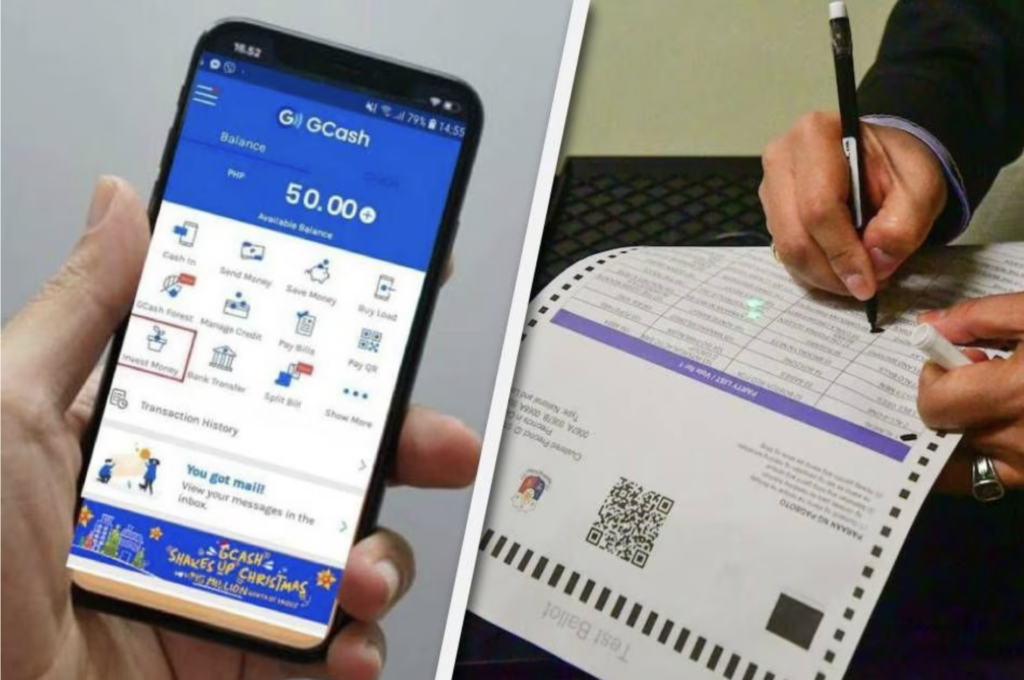
Leading the charge in this digital defense is GCash, the Philippines’ dominant fintech platform.
In a practical demonstration of their commitment to fair elections, GCash has implemented daily transaction limits on its “send money” feature. This measure, detailed in an advisory on their app and website, aligns with COMELEC Resolution No. 10946 (Kontra-Bigay), effectively acting as a digital barricade against potential vote-buying schemes.
“If a user receives an error notification, it means they have reached the daily transaction limit. They can resume any transactions the next day. This ensures we support fair and transparent elections,” stated GCash, highlighting their dedication to the democratic process. This action, though potentially causing temporary inconvenience to users, reflects a proactive approach to safeguarding the electoral process.
Beyond the digital realm, the BSP is also focusing on strengthening the broader financial landscape. Rigorous customer onboarding processes, advanced fraud management systems, and meticulous account and transaction monitoring are all part of the central bank’s strategy to create a multi-layered defense against any potential influx of fraudulent activities.
To aid BSFIs in their monitoring efforts, the BSP has outlined key red flags that should raise alarm bells: a sudden surge in account registrations in election hotspots, unusual spikes in cash transactions, deviations from normal transaction patterns, and abnormally high cash-in/cash-out volumes. These indicators serve as a digital compass, guiding financial institutions to identify and report suspicious activities.
Maintaining a secure and transparent financial environment
This proactive approach is not a one-off initiative. It’s a continuation of the BSP’s unwavering commitment to maintaining a secure and transparent financial environment for all Filipinos.
Collaborating closely with COMELEC, the Philippine National Police (PNP), and even the Department of Information and Communications Technology (DICT), the BSP is creating a unified front against electoral fraud.
The BSP also urges citizens to be vigilant. If you witness any suspicious financial transactions related to vote buying or selling, report it. Your voice matters. Reports can be filed with the PNP National Headquarters or the National Bureau of Investigation (NBI), ensuring that every lead is thoroughly investigated.
In the heart of the Philippines, amidst the vibrant markets and bustling cities, a silent battle is being waged – a battle to protect the integrity of the nation’s vote. The BSP, alongside fintech giants like GCash, is working tirelessly to ensure that the digital highways of finance remain a conduit for progress, not corruption.
As the nation heads to the polls, this collective effort reinforces the foundation of democracy, ensuring that every vote counts, and every transaction is transparent.