
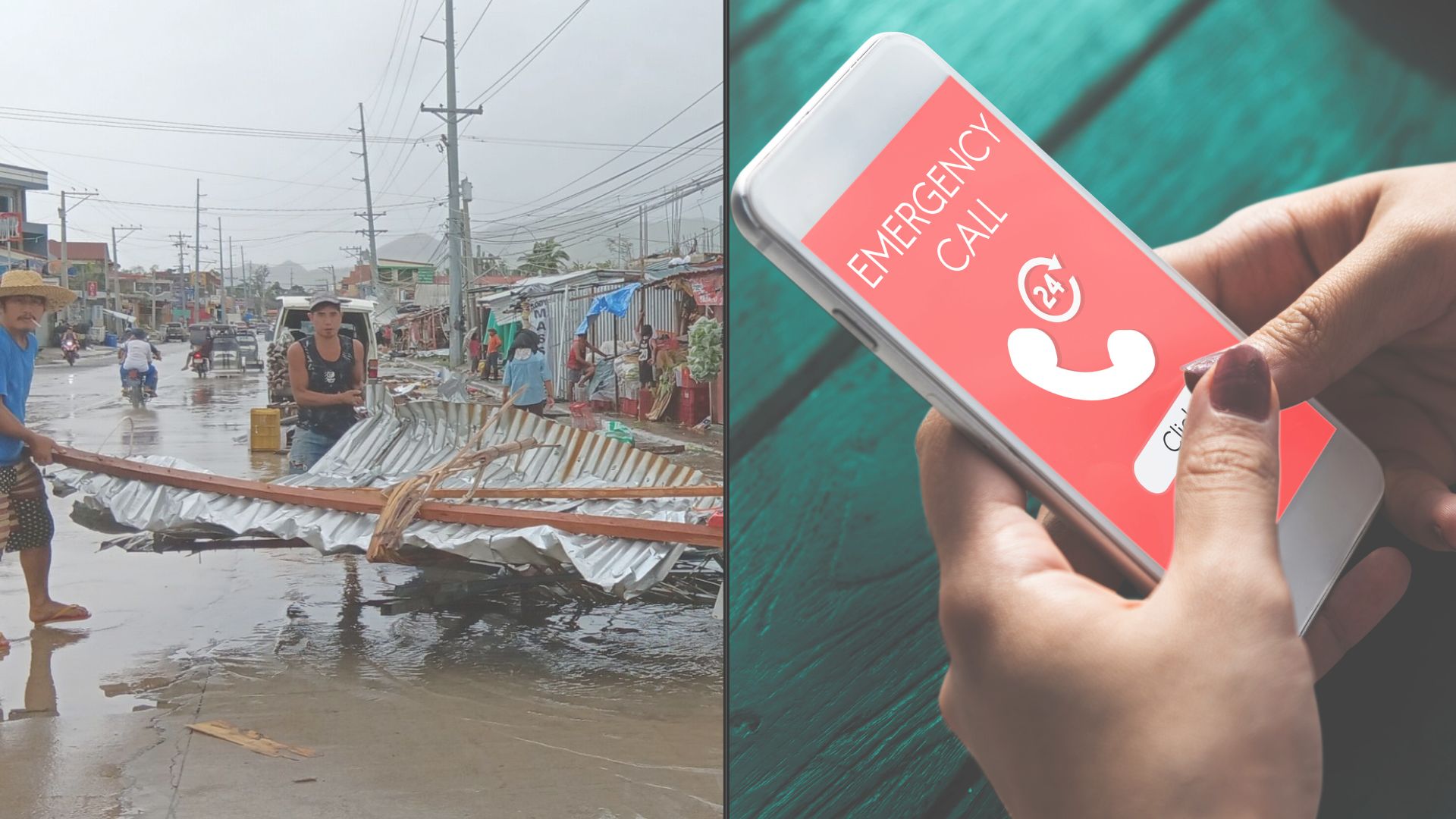
When disaster strikes in the Philippines, help no longer travels just through roads. It flows through screens. The centuries-old Filipino tradition of bayanihan, where communities unite to lift and support one another, has found a new home online.
Through social media, Filipinos have created a Digital Bayanihan that turns likes, shares, and hashtags into real-world action.
From typhoons and earthquakes to floods and fires, every calamity now triggers a wave of digital response. Facebook groups become command centers. Twitter (or X) threads evolve into real-time dispatch systems. TikTok and instagram creators use their platforms to raise funds and awareness. In just a few clicks, people can send donations, volunteer for rescue missions, or spread verified updates all from their smartphones.
When empathy meets technology
The beauty of this digital movement lies in its speed and accessibility. In the past, community aid often required physical coordination such as gathering goods, organizing teams, and traveling to disaster zones. Now, social media collapses those steps. A single post about a flooded barangay can reach thousands within minutes, sparking waves of donations and offers of help.

Online fundraisers have replaced physical coin banks. Digital wallets make it easy to send any amount instantly. And where once people relied on word of mouth, now hashtags serve as beacons, connecting those in need with those who can help.
Glenn emphasized the role of social media in extending help during times of crisis. “I’m always on Facebook talaga, so pag nakakakita ako ng reels or posts about disasters and calamities on my feed, I share them or re-story to raise awareness,” he said. “Minsan naman, when there are donation drives and I can contribute naman, I send my donations online. It’s really much easier now.” he added
This is bayanihan reimagined — fueled not by proximity, but by connectivity. Even Filipinos abroad can instantly join in relief drives back home, proving that the Filipino spirit of unity has no borders in the digital age.
Virtual volunteers and rescue networks
Beyond fundraising, social media has also transformed how volunteers and responders operate. Community pages often function as grassroots coordination hubs, where citizens share live updates on road conditions, evacuation centers, and missing persons.
Messaging apps become digital lifelines, enabling real-time communication between rescuers and residents in affected areas.

During recent calamities, countless Filipinos have volunteered not only on the ground but also online. Some take shifts verifying information before reposting it. Others help map flooded zones using satellite data or crowdsource lists of evacuation centers.
This shows that in the digital bayanihan, help comes in many forms some physical, some virtual, all essential.
What makes the Filipino digital community unique is its sense of empathy. While the internet can often feel divided or overwhelming, Filipinos have shown that it can also be a tool for compassion and coordination. The same platforms that spread entertainment and news become powerful engines for mobilization.
The immediacy of social media allows relief efforts to outpace bureaucracy. Families in crisis can directly reach donors, bypassing red tape and delays. And because the information spreads peer-to-peer, trust becomes the new currency. Every share, every update, and every online confirmation adds to the network of accountability and transparency.
Challenges in the digital age
Yet, as powerful as this new form of bayanihan is, it is not without its challenges. Misinformation can spread as quickly as genuine calls for help, leading to confusion or misplaced donations. Some areas still lack stable internet connections, making it difficult for affected communities to access real-time assistance.
There is also the risk of compassion fatigue where people, overwhelmed by constant crisis updates, begin to disengage. Sustaining digital bayanihan requires balance: keeping empathy alive without overwhelming online communities.
To address these challenges, many digital volunteers and advocacy groups now emphasize “responsible helping.” They verify sources, post official updates only, and remind others to pause and confirm before sharing. This culture of digital responsibility ensures that technology remains a tool for empowerment, not chaos.
“Of course, when I donate naman, I make sure it’s through a reliable source, like official Facebook pages of news outlets, as we all know there are still many scammers out there kahit pa may calamities, so it’s better to be safe na rin.” Glenn said.
The future of Bayanihan
The evolution of bayanihan into the digital space reflects the resilience and adaptability of the Filipino people. Disasters may be inevitable, but disconnection is not. With each new platform, app, or innovation, Filipinos continue to find creative ways to bridge distances and bring hope faster than ever before.
Ultimately, the Digital Bayanihan is more than a trend, it’s a living proof that empathy evolves. It shows that even in times of crisis, unity remains our strongest connection. Whether it’s a post shared at midnight, a donation sent from across the world, or a volunteer joining a rescue group through a chat link, the spirit is the same: we rise by helping one another.
In every typhoon, flood, or fire, the message echoes louder than ever, our bayanihan may have gone digital, but its heart remains unmistakably Filipino.