The Philippines’ gross international reserves (GIR), a crucial indicator of the nation’s financial health, dipped to US$106.84 billion by the end of December 2024, according to preliminary data released by the Bangko Sentral ng Pilipinas (BSP).
This figure represents a slight decrease from the US$108.49 billion recorded at the end of November. But before alarm bells start ringing, it’s important to understand the context.
GIR, essentially the country’s foreign currency and gold holdings, acts as a buffer against economic shocks and ensures the nation can meet its international financial obligations.
The recent decrease, as the BSP has explained, is primarily due to a confluence of factors: the central bank’s own foreign exchange operations (likely selling dollars to support the peso), the national government drawing on its BSP deposits to service foreign debt, and a drop in the value of gold holdings due to lower international gold prices.
Reserves: Not the amount, but the value of its components
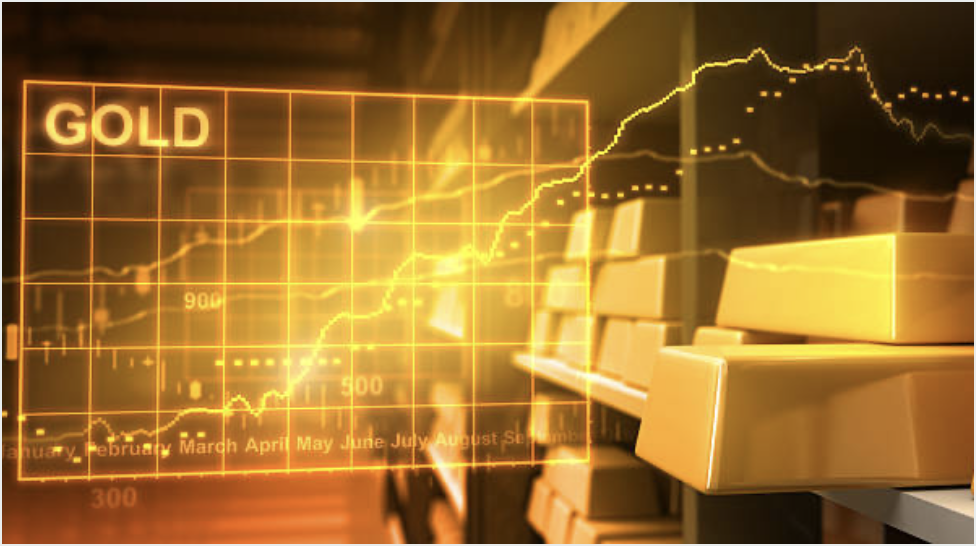
This last point is key: the GIR isn’t just about the amount of reserves, but also the value of its components, and gold, while a valuable asset, is subject to market fluctuations.
This dip also affected the net international reserves (NIR), which subtract short-term foreign debt and IMF obligations from the GIR. The NIR also fell slightly, to US$106.83 billion from US$108.46 billion.
However, the BSP was quick to reassure the public that the current GIR level remains robust. It represents a healthy 7.5 months’ worth of imports, services, and primary income payments – well above the internationally accepted minimum of three months.
Furthermore, the GIR is roughly 3.8 times the country’s short-term external debt, providing a comfortable cushion against potential debt repayment challenges.
So, while the headline figure might suggest a decline, a closer look reveals a more nuanced picture. The decrease is attributable to specific, identifiable factors, including routine central bank operations and market fluctuations, not necessarily a sign of underlying economic weakness.
The Philippines’ GIR still comfortably exceeds international benchmarks for adequacy, providing a strong foundation for the economy. Understanding these nuances is crucial for interpreting fluctuations in the GIR and avoiding knee-jerk reactions based solely on the headline number.
Reserves get entangled in a heated political drama

This routine financial activity, however, has become entangled in a heated political drama. A storm is brewing in Philippine politics, with accusations of gold reserve theft and manipulation swirling around President Ferdinand Marcos Jr.
Former President Rodrigo Duterte’s claims that Marcos had a hand in the BSP sale of gold reserves, allegedly contributing to the peso’s depreciation, have ignited a firestorm of controversy. (Pundits also say this is in direct retaliation for the impeachment case filed against his daughter, VP Sara Duterte, by allies of the Marcos administration).
Duterte’s accusations, made during a recent rally, have been swiftly dismissed by the Presidential Communications Office (PCO) as a “campaign joke.”
Claire Castro, Undersecretary of PCO, emphasized that selling gold reserves, which are part of the country’s Gross International Reserves (GIR), is a standard BSP practice to manage the economy.
“If the price is high, it makes sense to sell,” she explained. The PCO has since vowed to counter such “erroneous statements” with accurate information, particularly given the potential for misinformation to spread.
BSP issues a statement
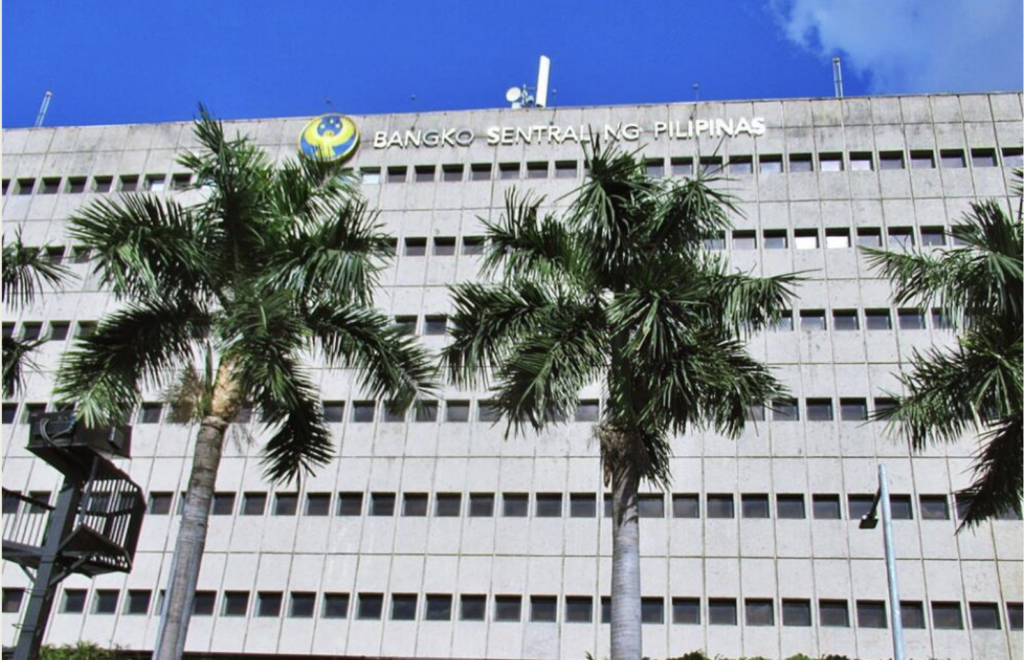
The BSP itself has issued a firm statement, clarifying its sole responsibility for managing the GIR, which includes gold, to ensure the stability and convertibility of the peso and meet the country’s foreign exchange needs.
Trading in gold, the BSP explained, is a common practice among central banks worldwide, used to hedge against price fluctuations in other assets and to ensure sufficient funds for government projects and obligations during crises.
Gold holdings, which currently account for about 10% of the GIR, are adjusted based on global market trends.
In the first half of 2024, the BSP sold 25.95 tons of gold, taking advantage of high global gold prices that soared above $2,600 per ounce – more than ten times higher than prices two decades ago, according to Rizal Commercial Banking Corp. chief economist Michael Ricafort. “There were sales of gold holdings a few years back to take advantage of higher world prices in recent years,” he said.
“The BSP has been buying gold especially from small-scale miners and selling gold to the BSP has been encouraged in recent years,” he further stated. As of this writing, the Philippines and Hong Kong were among the countries in the region that are not buying any more gold.