
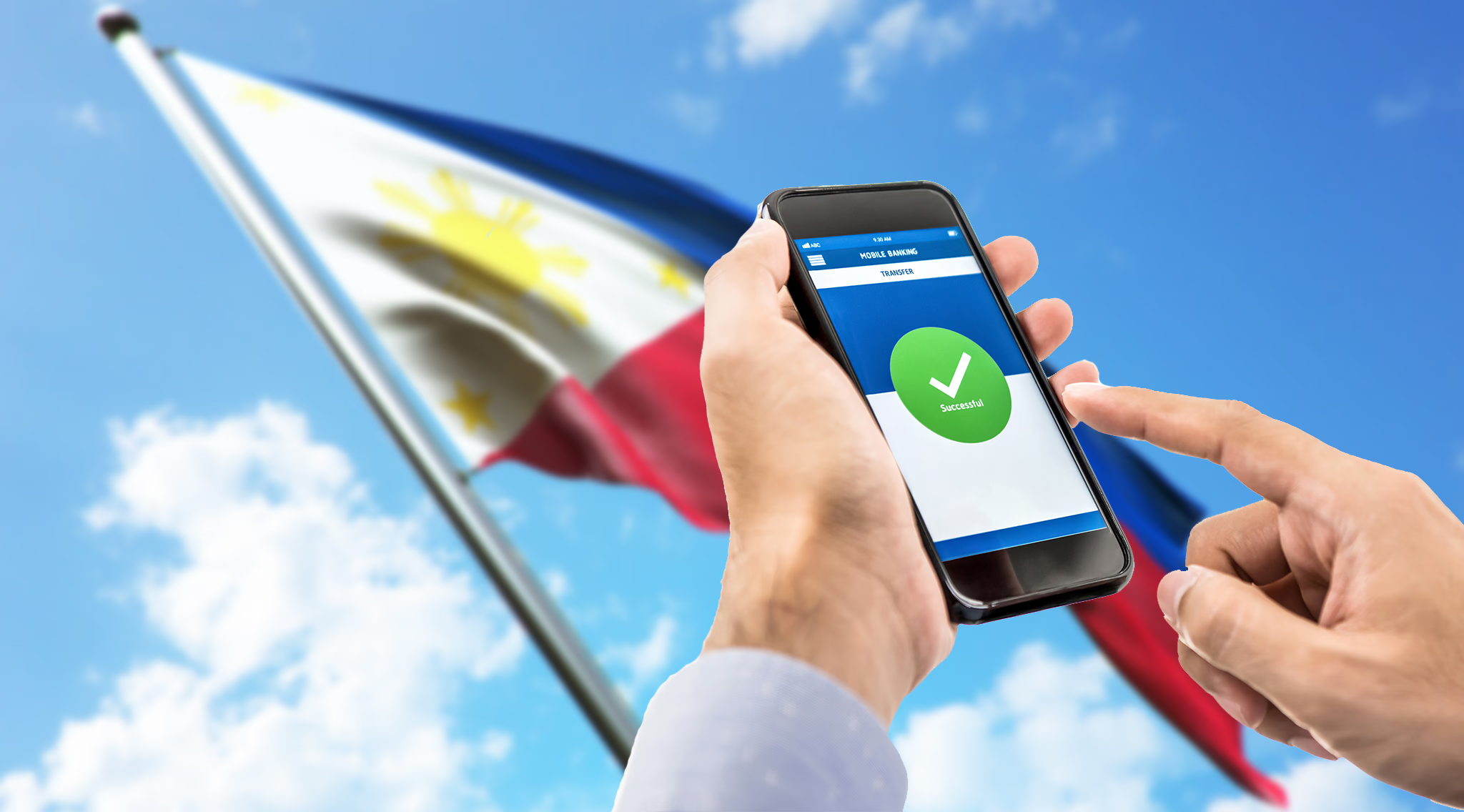
There was a time when salary day meant lining up at the bank, manually updating a passbook, and carefully filing away physical deposit slips in a drawer at home. For decades, this was the standard ritual for the Filipino workforce — a tangible, albeit time-consuming, connection to one’s earnings.
Today, that ritual has quietly but profoundly evolved.
For many young Filipino professionals, payday now arrives with a simple notification buzz. It is instant, paperless, and trackable in real time. This shift from physical passbooks to mobile apps reflects more than just a change in technology; it signals a fundamental shift in the national mindset toward money: one that values convenience, visibility, and control.
As digital banking tools become more accessible, salary crediting has transformed from a mere administrative task into a strategic opportunity for smarter budgeting, automated savings, and long-term financial planning.

Salary crediting in real time
For today’s workforce, especially the tech-savvy Millennial and Gen Z cohorts, waiting days to confirm a salary deposit feels like a relic of the past. The friction of the “old way” — traveling to a branch, finding parking, and waiting in line — has been replaced by seamless connectivity.
Mobile banking apps now send real-time alerts the moment a salary is credited, providing an immediate sense of security.
Instead of visiting a physical branch, users can immediately check balances, review transaction histories, and even categorize spending within seconds of receiving their pay. This convenience is particularly vital for professionals navigating the high cost of living in major hubs like Metro Manila or Cebu.
Knowing exactly when funds arrive allows them to schedule bill payments to the minute, helping them avoid late fees and manage cash flow with surgical precision. With an entire financial history visible in one dashboard, the guesswork of “how much is left” is eliminated.
Furthermore, digital salary crediting reduces the heavy dependency on physical records. The old habit of hoarding paper receipts and updating passbooks has been replaced by downloadable electronic statements and searchable transaction logs. These digital footprints are not just convenient; they are essential tools that simplify the process of applying for car loans, home mortgages, or filing taxes.
Digital budgeting for everyday life
The journey from passbooks to apps has fundamentally changed how Filipinos approach their monthly budget. In the past, budgeting was a manual, often exhausting chore involving notebooks, spreadsheets, or the “envelope system.”

Today, many rely on integrated in-app features that automatically categorize spending —segmenting funds into groceries, transport, utilities, and entertainment.
These tools help young professionals spot financial leaks quickly. A simple glance at a generated pie chart or a weekly summary can reveal exactly where a salary is being depleted.
With these clearer insights, adjusting spending habits becomes less intimidating and more data-driven. It moves the conversation from “where did my money go?” to “this is where my money is going.”
Many modern apps also allow users to create digital “buckets” or sub-accounts. By allocating specific portions of a salary to rent, travel funds, or emergency savings the moment it hits the account, budgeting shifts from a reactive struggle to a proactive strategy.
The discipline that once required manual effort is now built into the user interface.
Automating the future
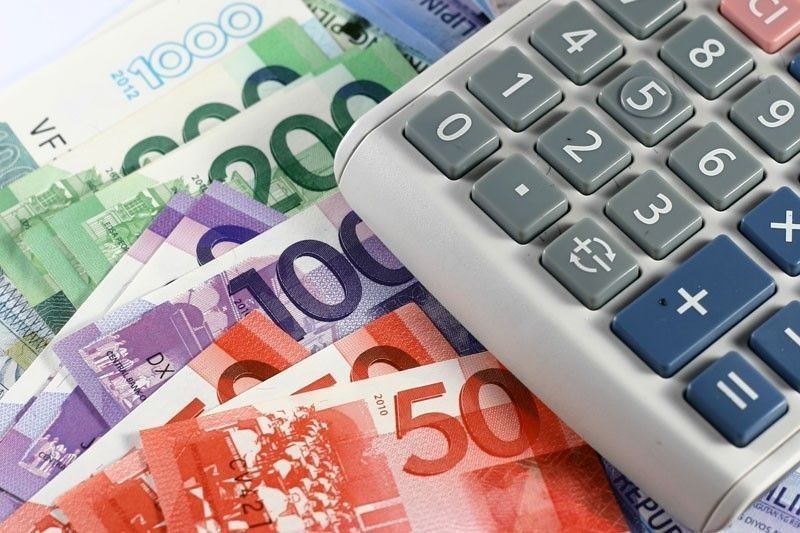
Perhaps the most significant advantage of this digital migration is the power of automation. Rather than relying on willpower alone to save, users can now schedule automatic transfers to high-yield savings accounts or investment platforms the moment their salary is credited.
This “set it and forget it” approach removes the psychological hurdle of “parting” with money, making consistency the default setting.
Automation also acts as a natural barrier against overspending. When a portion of the salary is whisked away to a digital “vault” immediately, the remaining balance in the main account becomes a realistic spending limit.
Over time, this habit builds the financial resilience necessary to navigate rising inflation and unpredictable economic shifts.
For young professionals dreaming of home ownership or international travel, these tools offer the structure and visibility needed to turn aspirations into reality. Salary day is no longer just about receiving income; it is about activating a system that works tirelessly in the background.
From passbooks to apps, the Filipino salary experience has become more dynamic and empowering. The tools are digital, but the goal remains timeless: financial stability and a future built one payday at a time.