
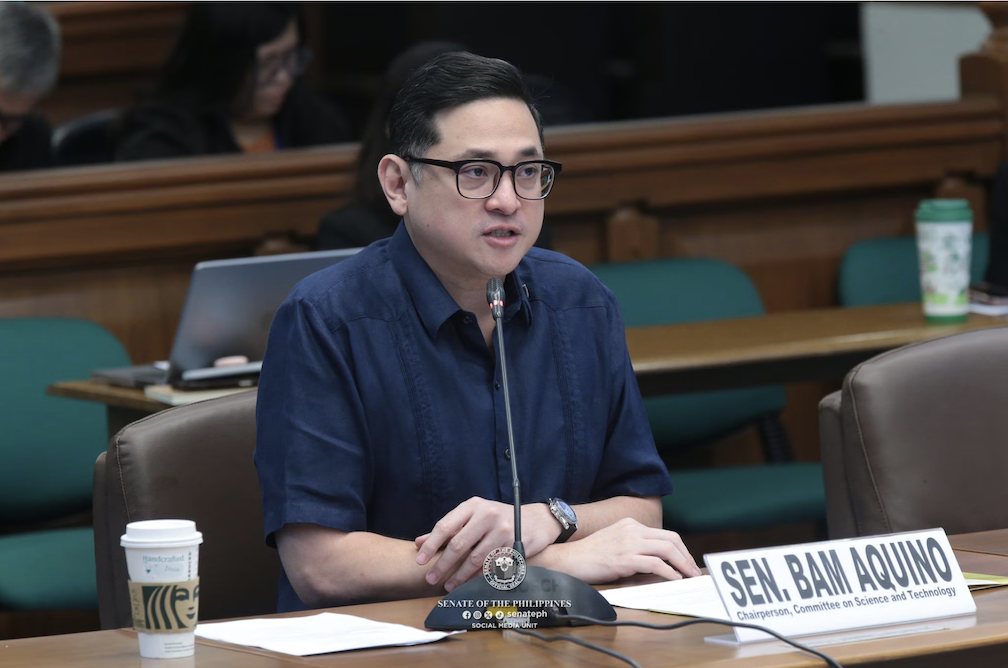
Senator Bam Aquino has filed a proposed measure aimed at reforming the Philippine Party‑List system, introducing stronger safeguards to ensure that its representatives genuinely serve marginalized and underrepresented sectors while curbing corruption.
The proposed Senate Bill No. 1559, also known as RA 7491 or the “Party-List System Act,” is designed to help “guarantee that the party-list system truly serves the many and empowers ordinary Filipinos to have a real say in their Congress,” Sen. Aquino said. “It will reduce, if not completely remove, opportunities for misuse and corruption within the system.”
Party-List: Exposing systemic issues

The need for reform is evident.
Aquino cited a 2025 study by election watchdog “Kontra Daya,” which found that 86 of the 156 accredited party‑list groups in the 2025 elections were linked to political dynasties or large corporations. Of the 63 party-list groups proclaimed as part of the 20th Congress, 40 were among those flagged in the report.
“These findings underscore an urgent and undeniable truth: the party-list system is being exploited by the powerful at the expense of those it was designed to uplift,” Aquino said. Various organizations, including the John J. Carroll Institute on Church and Social Issues (ICSI), have called for the restoration of dignity to the system by returning it to its original purpose and intent.
Key features of the party-list reform

The proposed law introduces several measures to ensure that party-list groups genuinely represent the sectors they claim to serve:
- Stricter vetting: The Commission on Elections (COMELEC) would conduct public evidentiary hearings to verify organizational legitimacy and nominee eligibility.
- Extended deadlines: Registration periods for party-list groups would be extended from 90 to 120 days before elections, while the release of the certified list of eligible organizations would move from 60 to 90 days prior.
- Nominee rules: Groups must submit at least six nominees, approved by their highest decision-making body, with disqualifications for those related within the third degree to incumbent officials or linked to government contractors.
“Through these reforms, this measure ensures that the party-list system truly serves the many, not the few, and empowers ordinary Filipinos to have a real say in their Congress,” Aquino said. “It is a step toward a more inclusive, accountable, and meaningful democracy and the kind of government the Filipino people deserve.”
Potential impact of the reform
If implemented effectively, the reforms could:
- Restore legitimacy to the party‑list system.
- Strengthen the representation of historically marginalized sectors.
- Increase public trust in democratic institutions.
For sectors like laborers, farmers, and urban poor, this could mean that their voices and concerns are more directly reflected in legislation. For voters, it presents an opportunity to see a system that was intended to serve “the many” rather than “the few.”
Challenges and caveats
While the reforms are promising, they are not a panacea. Implementation will be key: COMELEC will need to conduct thorough, impartial verification processes, and resources will need to be allocated to ensure smaller sectoral groups can comply without being disadvantaged.
Additionally, voter awareness and civic engagement remain crucial. Without informed citizens, even the most well-designed reforms can fall short of their intended impact.
Connecting representation and transparency through technology

In a modern twist, Aquino’s proposal also encourages the use of blockchain-based payments for government disbursements to party-list groups and other agencies.
Digitizing transactions on a transparent ledger could minimize mismanagement, enable real-time auditing, and ensure funds reach their intended beneficiaries.
Experts note that linking political reforms with fintech solutions could help build public trust and create a more accountable system. “It’s not just about who gets a seat in Congress,” said one analyst. “It’s also about ensuring resources actually reach the communities they are meant to serve, and technology like blockchain could play a crucial role in that.”
The road ahead
While the reforms are a significant step, their success depends on thorough implementation, impartial enforcement by COMELEC, and active civic engagement from citizens.
For voters, staying informed and questioning nominees remains critical to ensure that party-list representation reflects the interests of the marginalized, not the elite.
If enacted, the Party-List Reform Act could restore legitimacy to the system, strengthen democratic participation, and introduce technological transparency — a dual approach that marries political reform with modern fintech practices.
A cautiously optimistic perspective

As someone observing from Bacolod, I see this bill as a step in the right direction — a recognition that democracy requires constant vigilance and adjustment. While the reforms won’t solve all systemic issues, they open a window of opportunity for marginalized sectors to reclaim their rightful place in national politics.
For citizens, the takeaway is clear: stay informed, question nominees, and engage in the political process, because party‑list reform is not just about rules on paper — it’s about ensuring that democracy works for everyone, not just the privileged few.”
Internal Links:
- Read more about Philippine electoral reforms.
External Links (DoFollow):
- Learn more about the Philippine party-list system
See Kontra Daya’s 2025 party-list report