PRSP survey reveals Filipino PR professionals embrace AI, demand training and ethical guidelines
With majority of Filipino public relations and communications professionals already utilizing artificial intelligence (AI) tools, a groundbreaking survey released recently by the Public Relations Society of the Philippines (PRSP) reveals an industry at a pivotal moment.
While enthusiasm for artificial intelligence is high, the survey, conducted in collaboration with the AI Centre of Excellence (ACE), underscores a critical need for immediate and comprehensive training, coupled with robust ethical guidelines to navigate the rapidly evolving landscape. (The results of this survey will be revealed soon at the ACE Workshop (“Power of AI for Communications and Beyond”) that’s set to take place at The Holiday Inn & Suites in Makati on March 21).
The “Survey on AI in PR and Marketing Communications,” which garnered responses from a diverse cross-section of communications professionals including specialists, managers, directors, and CEOs, paints a clear picture: Artificial intelligence is no longer a novelty, but a rapidly integrating force within the Philippine PR landscape.
According to the survey, a staggering 90.7% of respondents have already used artificial intelligence tools like ChatGPT, Grammarly, Quillbot, and Canva Magic Studio, with 90.7% also expressing a keen interest in artificial intelligence training programs.

“The results of this survey underscore the rapid integration of AI into the Philippine PR landscape,” stated Ana Pista, Vice President for Internal of PRSP. “While Filipino PR practitioners are eager to embrace AI’s potential, they also recognize the critical need for training, ethical guidelines, and a deeper understanding of its implications.”
Results of the PRSP’s survey on AI
The survey’s key findings reveal a dynamic industry poised for AI-driven transformation:
- AI adoption is mainstream but not yet fully integrated: Having over 90% of survey respondents admitting they’ve been experimenting with AI only validates what we already know: that the technology is no longer a novelty but a necessity. These findings align with a global trend, with AI adoption in PR skyrocketing from 28% to 64% in just one year (2023). The high adoption rate among local communications professionals signifies that they recognize AI’s potential to streamline workflows, provide data-driven insights and generate content but true integration still requires structured implementation and training before it can become a part of PR strategies.

- AI offers productivity, content boost: The biggest advantage of using artificial intelligence tools in communications is efficiency, with 88% of those surveyed citing productivity gains and 79% highlighting improved content creation. The tools help them draft press releases, generate creative ideas, and monitor media coverage faster than traditional methods. The global perspective reinforces this, with three out of four PR professionals saying artificial intelligence has improved their work quality. These findings also confirm that AI’s role in PR is evolving from a mere experiment and into a reliable assistant that enhances storytelling and engagement.
- Knowledge gap a barrier to artificial intelligence’s full potential: Despite widespread adoption of AI tools, the survey found that two-thirds of respondents feel unprepared due to a lack of training and almost three-quarters (73.3%) want more case studies and hands-on workshops. This is consistent with global trends, where only 16% of PR leaders feel highly knowledgeable about artificial intelligence even though 80% of them recognize its importance. Without proper education, PR professionals could struggle to use artificial intelligence effectively, limiting its potential benefits.
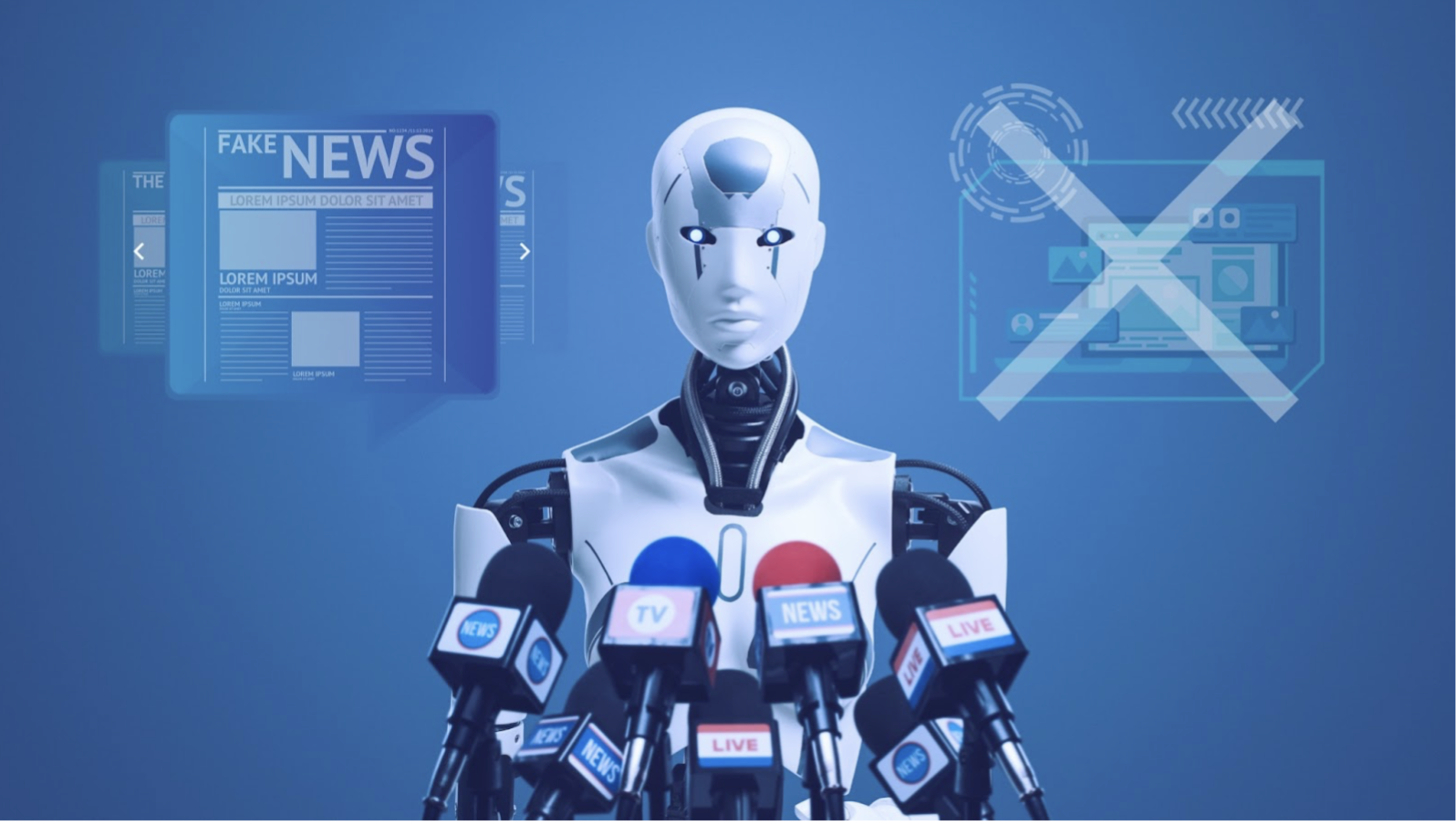
- Concerns about ethical use and governance loom large: While AI presents clear advantages, most of the survey respondents remain wary of its risks, with 68% expressing concerns about its ethical implications and 74.7% highlighting misinformation as top priorities. The survey also highlights three key concerns: data privacy (80%); misinformation (74%), and AI-generated content accuracy (70%). These fears reflect global anxieties, where it was found that 61% of communications leaders worry about misinformation fueled by artificial intelligence and a lack of formal artificial intelligence policies (50% of organizations). Developing industry-wide ethical guidelines and artificial intelligence governance frameworks will be crucial to ensuring artificial intelligence is used responsibly in PR.
A call to action: Upskilling and ethical integration

The PRSP’s survey findings are clear: PR professionals, marketing executives, and business communicators must embrace AI to stay competitive.
While aligning with global industry trends indicating a rapid rise in artificial intelligence adoption within the communications sector, it also highlights the critical need for dual approach: embracing artificial intelligence while simultaneously addressing the ethical and training challenges it presents.
Companies and PR teams should invest in artificial intelligence training programs to close the skills gap. They should come up with workshops and case studies to boost confidence in artificial intelligence use and offer ethical guidelines and governance frameworks to mitigate risks. Doing so will allow communications professionals to harness AI as a strategic asset rather than a liability. In the end, the next wave of innovation will be driven by those who adapt, upskill, and integrate artificial intelligence responsibly into their workflows.
PRSP is committed to facilitating this transition through targeted workshops and training programs, as well as the development of industry-wide ethical guidelines.
According to Ma. Luisa P. Sebastian, President of PRSP, “The Public Relations Society of the Philippines is committed to providing the resources and support that our members need to navigate this evolving landscape responsibly and effectively. We recognize the urgent need for upskilling and ethical AI integration to ensure our members remain competitive and contribute to a trustworthy communications environment.”
In the end, the PRSP survey serves as a vital benchmark for understanding the current state of artificial intelligence adoption in the Philippine PR industry while highlighting the organization’s commitment to leading the charge in responsible integration of artificial intelligence.
About PRSP

The Public Relations Society of the Philippines (PRSP) is the premier organization of public relations professionals in the country dedicated to promoting excellence in the practice of public relations and communication.
Through continuous learning, collaboration, and innovation, PRSP plays a key role in shaping the future of public relations in the Philippines.