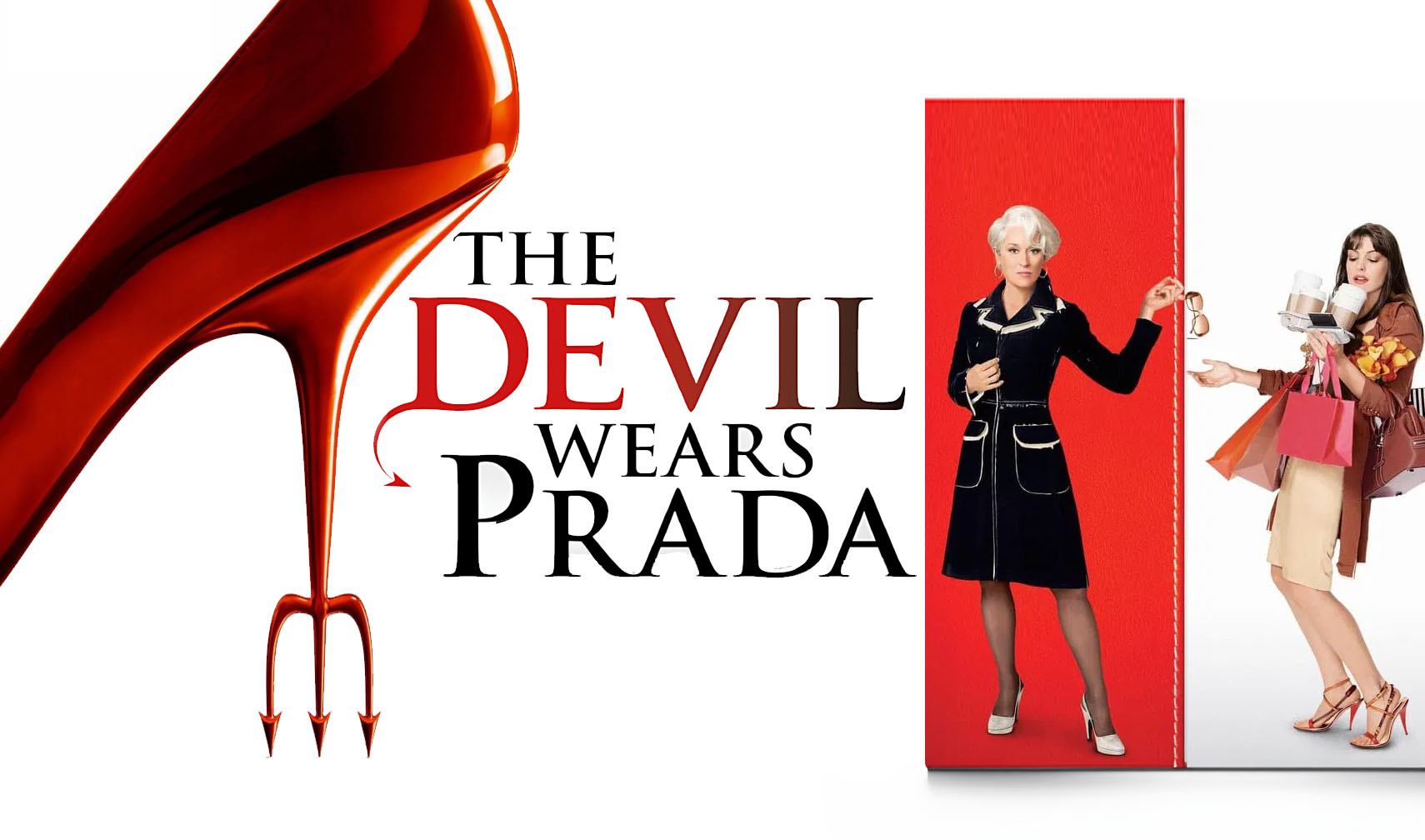
Nearly two decades after The Devil Wears Prada first schooled us on the high-stakes history of a lumpy cerulean sweater, the fashion world — and pop culture at large — is officially on notice.
The recent release of the trailer for The Devil Wears Prada 2 (the long-awaited sequel) has sent longtime fans into a whirlwind of nostalgia, speculation, and digital frenzy.
It is a resounding reminder that some stories, much like a vintage Chanel suit, never truly go out of style.
However, the hype isn’t just about the return of the formidable Miranda Priestly.

For the Filipino community, the excitement reached a fever pitch with the reveal of a new key cast member: Filipino-American actor Conrad Ricamora. His inclusion transforms this sequel from a mere nostalgic trip into a significant milestone where fashion, global representation, and cultural relevance collide.
This sequel isn’t just a return to Runway — it’s a moment where fashion, representation, and cultural relevance collide.
Why this sequel feels long overdue
The original The Devil Wears Prada wasn’t just a fashion film — it became a cultural shorthand for ambition, power, and the cost of success.
Miranda Priestly’s ice-cold authority, Andy Sachs’ uneasy transformation, and the film’s razor-sharp dialogue made it endlessly quotable and deeply rewatchable.

In the years since its release, the fashion industry — and the way we talk about work — has changed dramatically. Conversations around burnout, toxic leadership, and personal boundaries now sit front and center.
A sequel arriving in this era feels timely, inviting audiences to revisit familiar characters through a more evolved lens.
The trailer, which has gathered 222,000,000 views in 24 hours, since its released hints at this evolution: the same high stakes, sharper self-awareness, and an industry grappling with relevance in a digital-first world.
For fans, it feels like catching up with old friends who have also grown up.
Conrad Ricamora and why representation hits different
The inclusion of Conrad Ricamora in the cast instantly resonated with Filipino and Filipino-American audiences.
Known for his presence in acclaimed stage and screen roles, his addition signals that The Devil Wears Prada 2 isn’t just looking backward — it’s expanding its world.
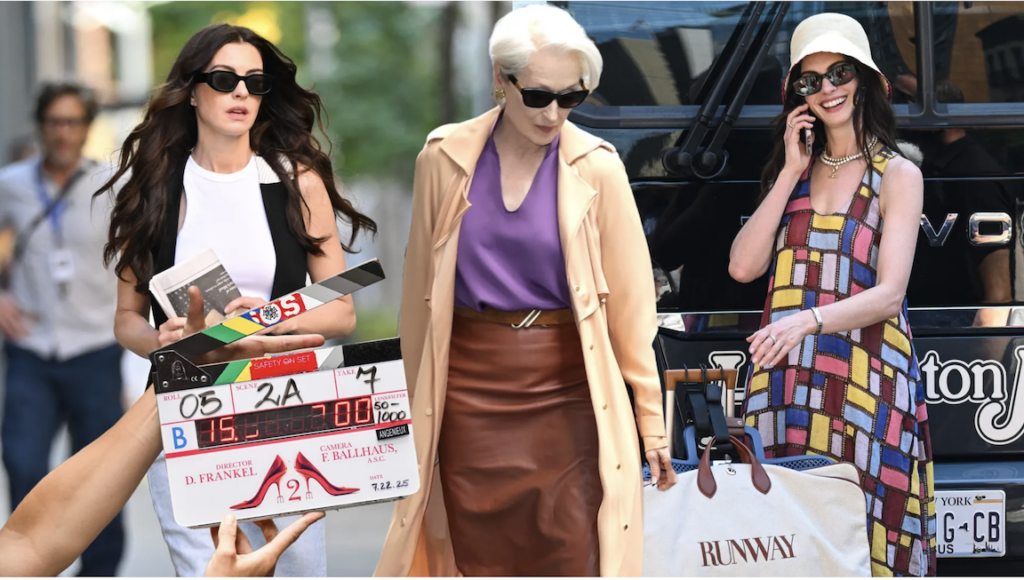
For Filipino viewers, seeing someone who shares their heritage step into a franchise this iconic carries weight. It’s not about tokenism; it’s about visibility in spaces long dominated by familiar faces.
Fashion, after all, is global — and the industry’s stories should reflect that reality.
Ricamora’s casting adds a layer of modern relevance, reminding audiences that representation can coexist seamlessly with prestige, style, and storytelling. It makes the sequel feel more inclusive without losing its edge.
Fashion, Power, and Why Fans Are Ready Again
Part of what makes The Devil Wears Prada 2 so anticipated is the promise of spectacle. Audiences are ready for the wardrobe moments, the cutting one-liners, and the quiet power plays that made the first film iconic.
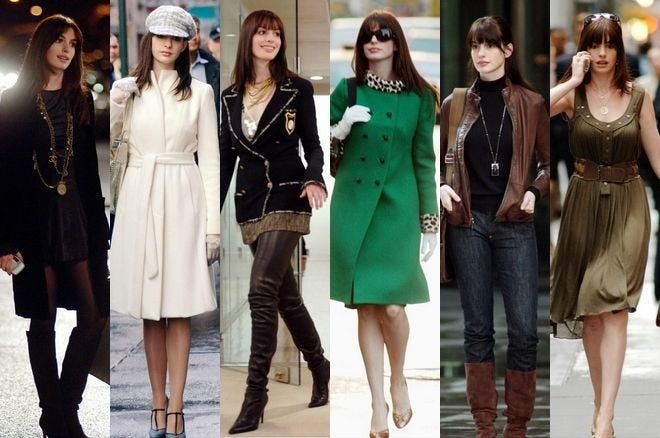
But beyond aesthetics, the sequel taps into something deeper: our ongoing fascination with ambition and reinvention. How do you define success years later? What does power look like now? And can characters like Miranda Priestly exist unchanged in a world that questions authority more openly?
For Filipino fans—especially those navigating creative industries, corporate spaces, or diaspora identities—the sequel’s themes feel especially resonant. It’s not just about fashion anymore. It’s about survival, adaptation, and owning your place at the table.
The excitement around The Devil Wears Prada 2 isn’t just nostalgia talking. It’s the thrill of seeing a beloved story return with sharper relevance, broader representation, and renewed cultural bite. And this time, Filipino audiences aren’t just watching from the sidelines — we’re part of the moment.