
The rise of reusable culture in the Philippines shows how small, everyday decisions can collectively reshape a nation’s environmental future. A tumbler carried to work, a bayong brought to the market, or a reusable container used for takeout may seem like minor choices.
But multiplied across millions of Filipinos, these actions become powerful tools for reducing waste.
What once felt like a niche environmental practice is now transforming into a practical habit adopted by students, office workers, families, and even local businesses. The shift toward reusable culture in the Philippines is driven by both necessity and awareness.
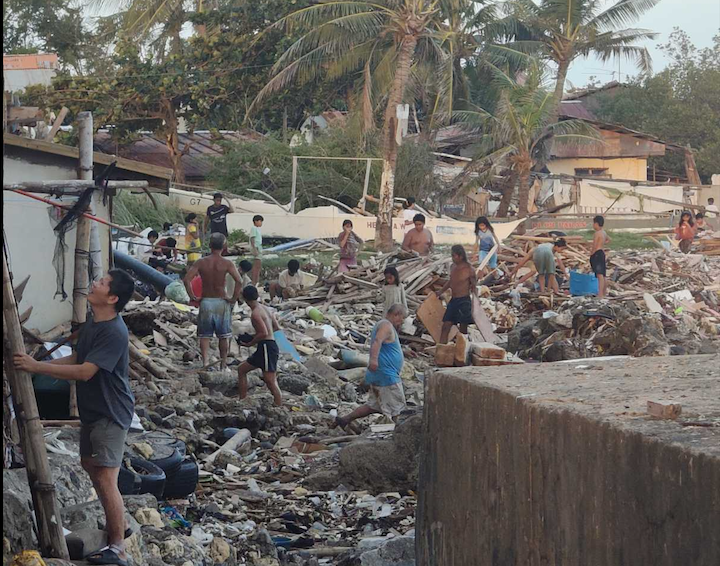
The country faces a growing plastic waste crisis, generating around 2.7 million tons of plastic waste each year, with roughly 20 percent ending up in the ocean. At the same time, millions of plastic bags and sachets are used daily, highlighting how deeply single-use items are embedded in everyday consumption patterns.
Yet amid these challenges, Filipinos are rediscovering the value of reuse — an idea that, in many ways, has long existed in traditional Filipino practices.
Everyday habits that define reusable culture
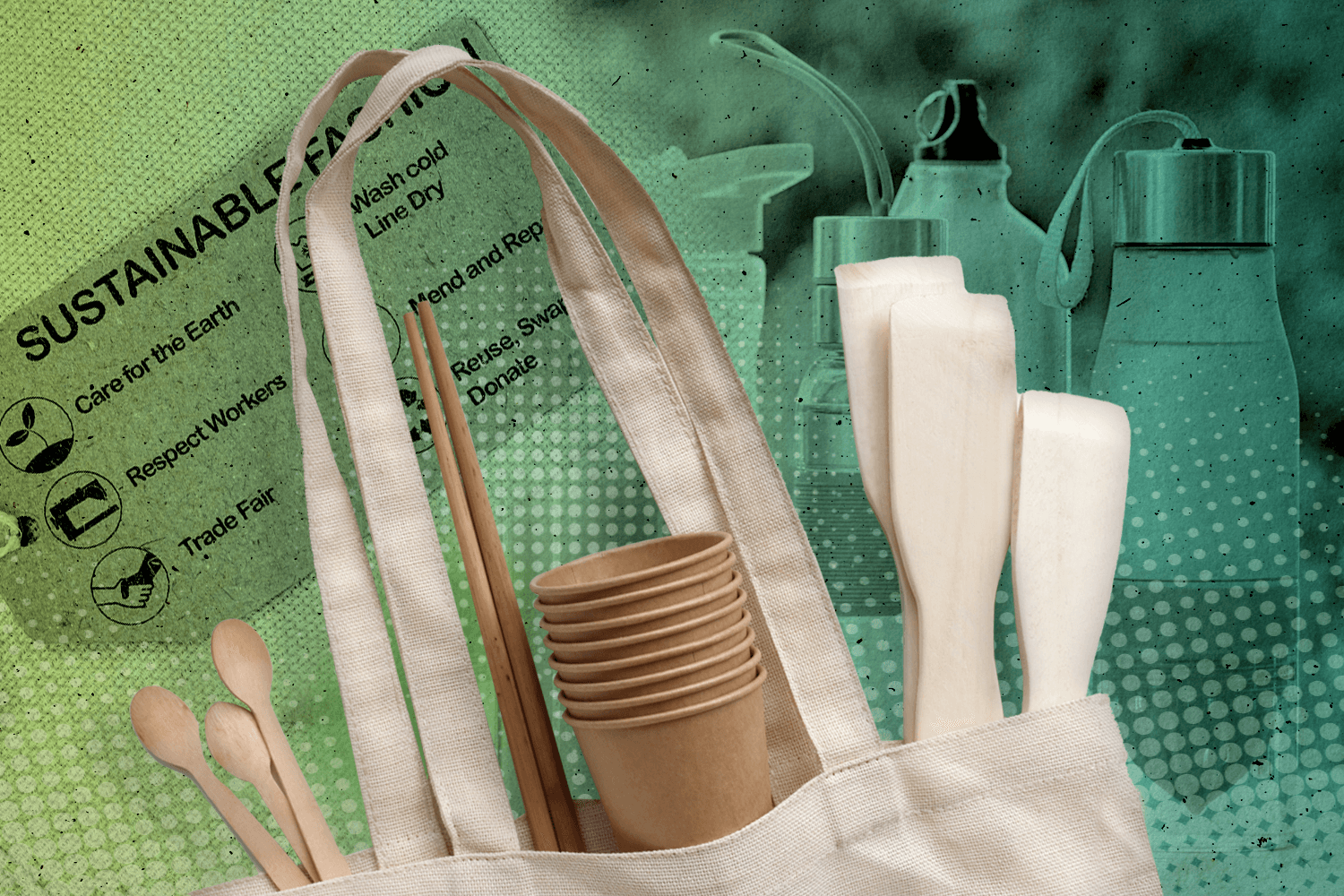
The most visible symbol of reusable culture today is the tumbler. Coffee chains, milk tea shops, and small cafés encourage customers to bring their own cups, sometimes offering small discounts as incentives. For many urban professionals and students, carrying a tumbler is now as common as carrying a smartphone.
Reusable grocery bags are another everyday example. Many supermarkets and malls charge for plastic bags or encourage shoppers to bring their own eco-bags. Some cities have gone further by implementing plastic bag regulations that require establishments to promote reusable alternatives or impose environmental fees on single-use plastics. These policies aim to reduce the billions of plastic bags used nationwide each year.
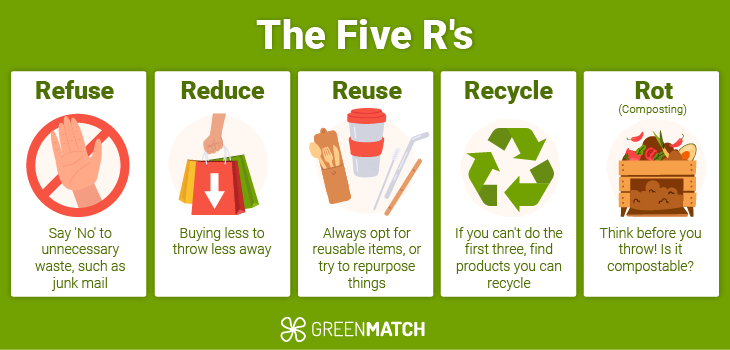
In many households, reusable containers are also gaining popularity for takeout food and market purchases. Bringing your own container to a food stall or palengke vendor may still feel unconventional, but the practice is slowly gaining acceptance, especially among younger consumers who are more environmentally aware.
Rediscovering traditional Filipino sustainability
Reusable culture is not entirely new to the Philippines. Long before plastic packaging became widespread, Filipinos already practiced forms of reuse rooted in practicality.

The bayong — a traditional woven market bag made from natural fibers such as buri, pandan, or abaca — is durable, biodegradable, and capable of lasting for years. Environmental advocates today encourage its return as a sustainable alternative to plastic bags.
Earlier generations also reused glass jars, bottles, and cloth sacks in households. Old flour sacks known as katsa were repurposed as kitchen towels, cleaning cloths, or even clothing. These habits reflected a culture where materials were valued and waste minimized.
Today’s sustainability movement is, in many ways, a rediscovery of these long-standing practices, now intersecting with environmental advocacy and global awareness of plastic pollution.
Policies and community efforts driving change
Government policies and community initiatives are also helping push reusable culture forward. Several cities and provinces have implemented ordinances regulating plastic bag distribution and encouraging consumers to bring reusable alternatives. Some establishments even designate “no plastic bag days” to promote eco-friendly habits.
Public opinion reflects growing support for these changes. Surveys show that many Filipinos favor reducing or banning single-use plastics, particularly items such as plastic bags, straws, and styrofoam food containers. This suggests that the shift toward reuse is driven not only by regulations but also by changing consumer attitudes.
Environmental organizations also remind consumers that reusable items must actually be reused multiple times to make a real environmental difference. Studies suggest that cotton bags, for instance, should be reused dozens of times before their environmental footprint becomes lower than single-use plastics.
The key principle of reusable culture is clear: it’s not just about replacing plastic with another product, but about changing consumption habits altogether.
Small habits, big cultural shifts

If the growing movement continues, the simple act of bringing your own bag or bottle may no longer be seen as an eco-conscious exception. Instead, it could become the new normal — one reusable habit at a time.
More importantly, reusable culture reconnects Filipinos with a long-standing tradition of practicality, resourcefulness, and care for the environment.
Sustainability is not entirely new; it is a modern reminder of values that have always existed within Filipino culture.